
Walk down almost any grocery aisle and multi-pack products are everywhere. Soda cans get grouped into sets, cleaning supplies get bundled for convenience, and snack boxes often arrive wrapped together as one retail unit.
The packaging material covering these groups has to do more than sit on top of the products. It needs to hold the group together, follow the shape of the pack, and stay practical through transportation, storage, and handling on a store shelf.
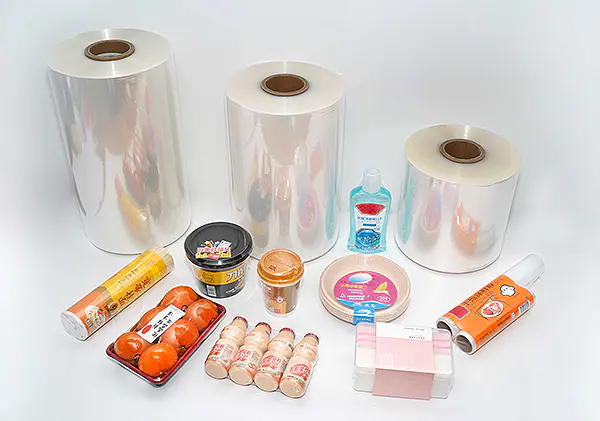
Cross Linked Shrink Film becomes relevant here because of how it responds during the wrapping process and how it behaves once it's formed around a group of items. Its suitability depends on more than whether it shrinks.
Product arrangement, packaging equipment, appearance requirements, handling conditions, and the type of goods being wrapped all play into whether a specific film fits the job. Buyers who understand these factors can have more useful conversations with packaging suppliers instead of simply asking for “shrink film” and leaving the choice to chance.
Wrapping several products together creates a different challenge than wrapping one item alone. The pack needs to stay grouped while still being easy for a shopper to identify and pick up.
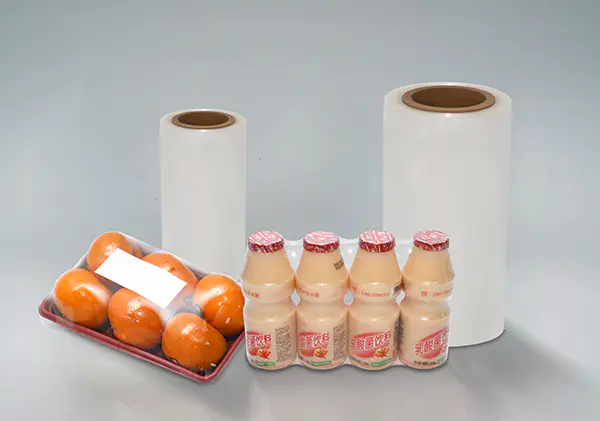
Shrink Film POF gets used across many packaging lines because it forms around grouped products as heat is applied. The film draws closer to the arrangement underneath it and creates a compact outer package rather than a loose covering.
| Multi-Pack Application | Packaging Purpose |
|---|---|
| Beverage combinations | Keeps containers grouped together |
| Food combinations | Holds related products as a retail unit |
| Daily necessities | Creates a convenient product set |
| Household products | Helps organize several items |
| Retail promotions | Supports grouped product presentation |
The film doesn't need to hide what's inside. Clear packaging lets shoppers see the contents without tearing anything open, which matters when someone is deciding between two similar bundles on a shelf.
That visibility helps retailers too, since a transparent pack stays easier to organize on a display table or end-cap. The packaging process itself still needs attention, because a film that doesn't behave as expected during heating or handling can leave the finished bundle looking loose or poorly shaped.
Film selection makes more sense when it is considered as part of the entire packaging process, rather than as a separate material choice made without regard to the equipment or product involved.
A multi-pack needs enough wrapping support to survive ordinary handling. Products move from the packaging line to a warehouse shelf, then onto a delivery truck, then into a store, each step testing whether the bundle holds its shape.
Cross Linked Pof Shrink Film gets considered for applications where the film has to form a stable package around a group of products. The relationship between the film and the arrangement underneath it matters quite a bit here.
| Product Arrangement | Packaging Consideration |
|---|---|
| Similar-sized items | Easier to organize as a group |
| Mixed product shapes | Requires careful film selection |
| Closely packed products | Allows a compact package form |
| Irregular arrangement | May need suitable wrapping conditions |
| Retail-ready bundles | Appearance and handling both matter |
A pack of identical soda cans behaves differently from a mixed household set containing bottles and boxes. The wrapping process creates the final relationship between film and product, and the film needs to respond consistently enough to follow that shape without tearing or bunching.
If the film ends up too loose, products can shift inside the pack during a bumpy truck ride. A properly matched film contributes to keeping the bundle physically organized from the packaging line straight through to the retail shelf.
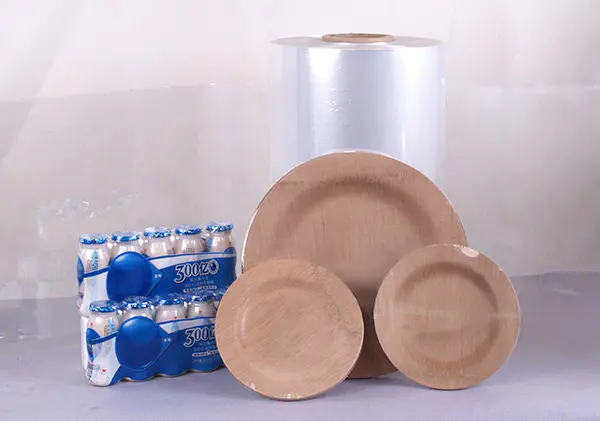
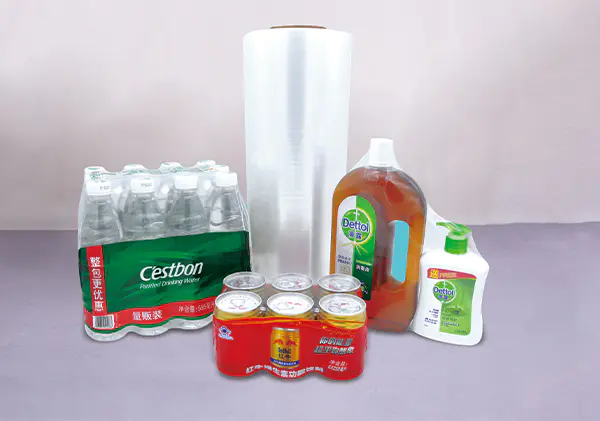
Grouped beverages are one of the more familiar multi-pack examples people encounter weekly. Several bottles or cans get wrapped so shoppers can grab one bundle instead of loose individual containers.
The packaging still needs to keep labels and general appearance visible, since brand recognition matters at the point of purchase. Cross Linked Shrink Film suits this kind of application when its properties line up with the beverage packaging process already in use.
| Beverage Packaging Need | Film Selection Consideration |
|---|---|
| Grouped containers | Film should maintain the package arrangement |
| Product visibility | Clear wrapping may support easy identification |
| Retail display | Surface appearance can influence presentation |
| Handling | Package should remain organized during movement |
| Storage | Film should suit the expected storage environment |
Round bottles, cans, and containers with unusual profiles don't present the same surface to a film. A tall glass bottle wraps differently than a squat can, so the packaging process has to account for how the film moves around each shape.
Some beverage packs mix varieties together, like a promotional set combining different flavors in one bundle. The film needs to accommodate that mixed arrangement without making the pack awkward to lift or stack, turning it into part of the product presentation rather than just an outer wrapper.
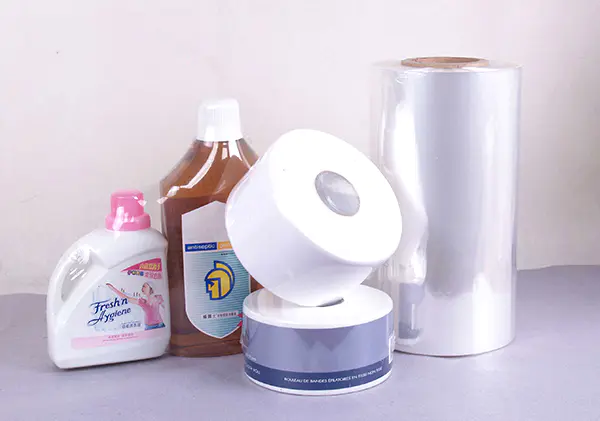
Household goods bring their own packaging puzzle. Cleaning products, personal care items, and kitchen tools often get grouped for convenience or as part of a seasonal promotion at a big-box store.
These items rarely share one shape. A bundle might combine a spray bottle, a cardboard box, and a plastic pouch all in the same pack, so the wrapping material needs to follow that varied outline rather than assume uniform dimensions.
Cross Linked Film gets considered when the packaging process calls for a material that forms around these varied groups without falling apart at the seams.
| Product Group | Possible Multi-Pack Purpose |
|---|---|
| Household supplies | Convenient grouped purchase |
| Personal care items | Product combination |
| Kitchen products | Retail bundle |
| Cleaning products | Promotional package |
| Small packaged goods | Organized shelf presentation |
Sharp-cornered boxes interact with film differently than rounded bottles, and lightweight packages can shift more easily inside a loosely formed bundle. These small details make communication between buyer and supplier genuinely useful rather than optional.
Describing the actual products and grouping method gives a supplier something concrete to work with, instead of a vague request for shrink film. Packaging ultimately comes down to the relationship between film, product, equipment, and however the bundle gets handled along the way.
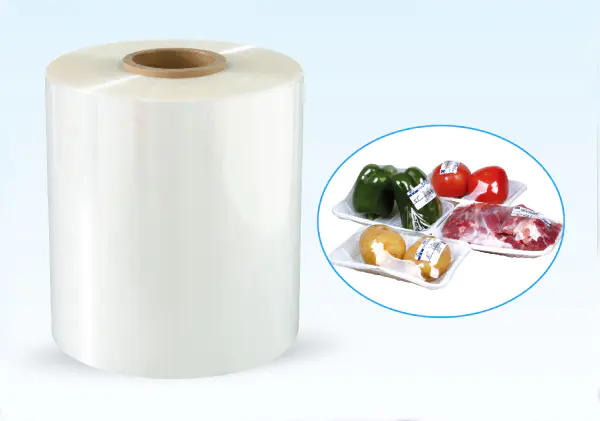
Food combinations often need packaging that keeps several items together while still looking clean on a shelf. Think of a snack variety pack or a bakery box holding a few different pastries wrapped as one unit.
A multi-pack might contain individually wrapped items or several related packages grouped as one retail piece, and the outer film needs to accommodate that group without crushing or interfering with the packages underneath.
Cross Linked Polyolefin Shrink Film gets considered for food applications where product visibility and grouped presentation both matter to the shopper picking it up.
| Food Multi-Pack | Packaging Focus |
|---|---|
| Snack combinations | Grouping and visibility |
| Bakery products | Product presentation |
| Packaged meal sets | Organized arrangement |
| Mixed food bundles | Flexible wrapping |
| Promotional food packs | Retail presentation |
Food products travel through varied storage and retail conditions, so film selection should reflect actual handling rather than appearance alone. A film chosen only because it looks good on a sample table might behave differently once it hits a walk-in cooler.
If inner packages already carry strong product information, a transparent outer film lets that information stay visible without adding extra printing. For food combinations, the film ends up doing double duty as both protection and presentation.
The same film rarely behaves identically across every packaging format. A compact bundle of identical bottles wraps differently than a mixed promotional set containing several product types.
This is why buyers benefit from considering the complete package structure before settling on Cross Linked Shrink Film for a project. Useful details worth gathering include product shape, number of items in the bundle, individual package material, product arrangement, wrapping equipment, retail presentation needs, and storage or transportation conditions.
These details give a film supplier a clearer picture of what's actually being asked of the material. A beverage bundle needs the film to follow rounded containers, while a household combination might mix boxes and bottles in the same wrap.
Comparing how a film behaves during loading, wrapping, heating, cooling, and handling can reveal issues that stay invisible when the material is judged only as a roll sitting in a warehouse. That fuller view tends to make film selection more grounded in reality.
Retail packaging juggles two jobs at once. The package needs to keep products organized, and it needs to present them clearly enough that a shopper understands what's inside at a glance.
A loose, poorly arranged bundle gets harder to display neatly on a shelf. Covering up important product information creates its own kind of inconvenience for the customer trying to read a label.
Shrink Film POF supports transparent multi-pack formats where visibility is baked into the packaging concept from the start.
| Retail Objective | Packaging Role |
|---|---|
| Product grouping | Keeps related items together |
| Promotion | Creates a visible bundle |
| Shelf organization | Helps maintain a defined product unit |
| Convenience | Makes several products easier to carry |
| Product visibility | Allows contents to remain visible |
An organized bundle moves more easily from a storage room to a shelf, cutting down on the risk of individual products going missing before reaching the customer. Appearance and function work together here rather than as separate concerns.
The film needs to form a package that suits the product arrangement while keeping a clean surface and clear view of what's inside. That balance depends on the goods, the packaging equipment on hand, and the retail environment where the bundle will eventually sit.
Clear conversation with a supplier tends to matter more than technical knowledge of film production itself. A buyer just needs to share useful details about the product and the packaging process involved.
A practical discussion can cover a handful of questions:
These details help a supplier understand the actual application rather than guessing from a generic request. For buyers comparing Cross Linked Pof Shrink Film, Cross Linked Film, and other polyolefin shrink materials, the conversation should center on the relationship between film and packaging process rather than on material names alone.
A film that looks promising during an initial review can behave differently once applied to a specific product combination in a working line. Testing with the intended format beforehand tends to surface problems early, before a larger purchasing decision locks everything in.
Multi-pack packaging keeps evolving across beverages, food, household goods, and retail bundles of every shape. As product arrangements grow more varied, film selection depends less on a single spec sheet and more on how well the material fits the entire workflow, from grouping and wrapping through handling and shelf presentation.
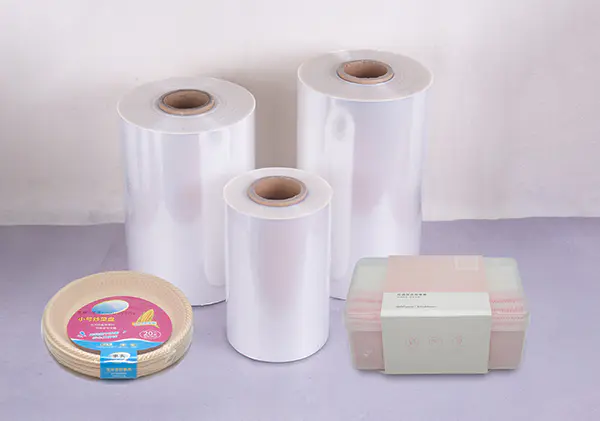
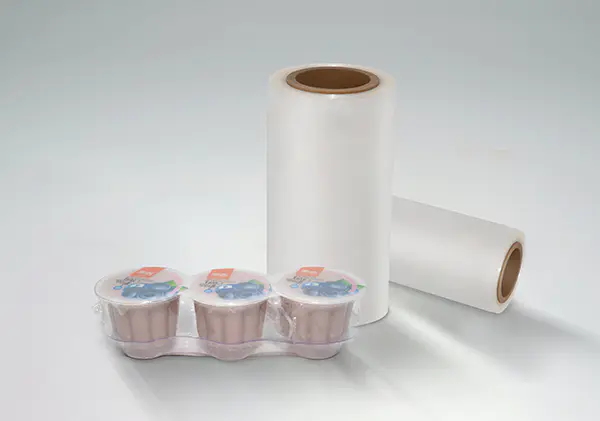
JT05 Antifog Crosslinked Shrink Film is an ideal o...
Copyright © Zhejiang Jiuteng Packaging Co., Ltd.
 简体中文
简体中文
 Home
Home
