
Portion-based packaging is becoming a genuinely practical way to organize many food and consumer products sold today. Instead of placing a large quantity into one package, manufacturers can divide the contents into smaller units that are a lot easier to store, carry, open, and use throughout the week.
This approach works particularly well for snacks, powders, food ingredients, and products prepared for individual consumption on the go. A package can be designed around the amount a customer is expected to use at one time, which changes how the bag gets filled, labeled, stored, and presented on a shelf.
Custom Made Zip Lock Bags can suit this packaging approach because the bag format can be developed around the product and its intended portion from the outset. The design does not need to focus only on keeping the product secure. It can also account for how the package will be opened, resealed, grouped, displayed, and used again after opening.
For packaging manufacturers and buyers, this creates a genuine opportunity to look at portion packaging as part of the wider product experience, rather than an afterthought. The bag becomes a practical link between the prepared serving and the person who eventually uses it at home or on the road.
Food products come in many forms, and people don't always use the same amount at one sitting. A large package may suit household storage sitting in a pantry, while smaller portions can make a lot more sense for individual snacks, meal preparation, travel, or controlled ingredient use in a recipe.
Snacks provide an easy example worth starting with. Nuts, dried fruit, cereal pieces, confectionery, and other small foods can get divided into separate portions, rather than placed into one large bag that gets opened and resealed repeatedly.
The same idea applies just as well to food ingredients used in cooking. Baking ingredients, seasoning mixes, drink powders, and other dry products may get prepared as individual portions for genuinely easier handling in a kitchen.
| Product Type | Portion Packaging Application |
|---|---|
| Snack foods | Individual eating portions |
| Powdered drinks | Single-use preparation |
| Baking ingredients | Measured cooking portions |
| Seasoning mixes | Ready-to-use servings |
| Dried foods | Small storage or snack portions |
| Food samples | Controlled product quantities |
Portion packaging can also make inventory a lot easier to organize on the production side. A business may prepare several smaller packages for distribution, instead of repeatedly opening and dividing a larger container by hand every time an order comes in.
This creates a genuinely more consistent workflow running from filling straight through to delivery. The packaging format becomes closely connected with how the product will actually get consumed once it reaches someone's kitchen counter.
The size and shape of a package influence how a product actually gets presented once it's inside. A bag designed for a small serving doesn't need to behave like one intended for bulk storage sitting in a warehouse.
Custom Made Zip Lock Bags allow packaging decisions to get connected with the intended portion right from the design stage. The design can take into account the product's physical form, the amount placed inside, the available filling space, and the way the package will get handled afterward by whoever opens it.
For powders, this relationship can be particularly noticeable once filling actually starts. Fine products can spread across a package when there's too much unused space left inside. A suitable bag format can help keep the portion genuinely manageable during filling, transportation, and opening at the other end.
Small snacks have different requirements entirely. A portion may contain irregular pieces that need enough room to move around without making the package unnecessarily large or wasteful.
The goal isn't simply making the bag smaller for the sake of it. It's creating a package that genuinely fits the serving concept behind it.
A portion-based design may consider several factors together.
When these factors get considered together, custom packaging can support a genuinely more natural relationship between product quantity and package size, rather than forcing one standard size onto every product.
Snacks are closely connected with portion-based packaging, because they're often consumed directly from the package without a plate in between. A smaller bag can separate one serving from the remaining product inventory sitting in a pantry.
This can be genuinely useful for products such as nuts, dried fruit, crackers, cereal snacks, and other dry foods people grab on their way out the door. Instead of opening one large package every single time, users can take a prepared portion whenever it's needed without disturbing the rest.
The zip lock also changes what happens after opening in a meaningful way. If the portion doesn't get consumed immediately, the package can be closed again wherever the product and bag design are suitable for resealing rather than tossing.
For manufacturers, this means the packaging format needs to match the way the snack actually gets handled day to day. A package that's difficult to open can become genuinely frustrating fast, while an awkward shape can make filling or storage a lot less convenient on the production line.
Custom design can also support different product presentations depending on the brand. A snack company may need a compact package for individual distribution sold one at a time. Another business may need several small bags grouped inside a larger outer package for retail. Both approaches use portioning but create genuinely different packaging arrangements.
This is where Commercial Zip Lock Bags can serve a genuinely practical role for buyers. Commercial buyers can consider not only the bag itself but also how individual units will get packed, transported, displayed, and supplied to customers down the line.
Powders present a genuinely different packaging challenge from solid snacks sitting in the same category on a shelf. Fine particles can move easily inside the bag, collect around the opening, or become difficult to handle if the package is poorly matched to the product inside it.
Powdered food ingredients may include drink mixes, baking ingredients, seasoning products, nutritional food powders, and other dry formulations sold across a range of categories.
Portion-based packaging can make these products a lot easier to prepare, because each package can correspond directly with a planned serving or recipe use in the kitchen.
For example, a food manufacturer may prepare individual powder portions for customers who want to mix or cook one serving at a time without measuring. The package can then move through storage and distribution without requiring the user to measure the product out of a larger container themselves.
The packaging process needs to consider the behavior of the powder carefully during filling. A suitable bag should provide enough space for the product without creating unnecessary empty areas that let contents shift around. The opening should also allow the contents to be accessed without making the powder spread around the surrounding surface and create a mess.
Zip lock packaging can add another genuinely practical feature when the portion isn't necessarily consumed all at once in one sitting. Users can close the package after taking part of the contents, depending on the product and intended use that day.
This combination of portion control and resealing can make the packaging format useful for both food manufacturers running production and consumers using the product at home.
The film used to make a bag affects how the package looks and behaves once it's filled and sealed. For food applications, manufacturers need to consider how the film relates to the product, filling process, storage conditions, opening method, and intended handling throughout its life.
Food Packaging Films can be selected according to the needs of the specific package, rather than treated as a separate decision made independently of everything else. A small snack bag may have genuinely different requirements from a package holding a fine powder or a measured liquid ingredient.
The film can also influence how the portion actually gets presented to a shopper. A clear or partially visible package may let users see the product inside before buying. A more covered design can place greater emphasis on printed information or visual branding instead. The choice depends heavily on the product and packaging concept behind it.
Printing and surface design should also fit the portion format chosen. A small package has genuinely limited space to work with, so the placement of product information needs to remain readable without making the design feel crowded or cluttered.
For buyers, it can be genuinely useful to consider the film and bag structure together as one decision, rather than two. The bag should support the intended product while also fitting the filling, storage, and distribution process it'll actually go through. This avoids treating the film as an isolated material choice disconnected from everything else.
Plastic Packaging Films get used across many packaging applications, because they can be converted into different bag formats fairly easily on existing equipment. For portion-based packaging, this flexibility allows manufacturers to develop packages around specific products and usage patterns without starting from zero each time.
A small bag for powdered ingredients may require a genuinely different shape from one intended for snack pieces sitting loose inside. The contents themselves determine how much space is useful, how the bag should open, and how the package should be arranged during filling on the line.
Custom formats can also support genuinely different sales structures depending on the retail channel. A product may be sold as an individual portion, a group of small portions bundled together, or a larger package containing several separately packed servings inside. The same basic packaging concept can therefore get adapted to different distribution models without a full redesign each time.
The outer appearance can change quite a bit as well, depending on where it's sold. A portion intended for direct consumer use may need clear product information printed right on it, while an inner package placed inside another box may only need a simpler presentation since the outer box carries the branding.
The important point here is that customization should have a genuinely practical purpose behind it. Adding unnecessary features can make packaging more complicated without actually improving the user's experience in any meaningful way. A focused design connects the bag format with the product, portion, and intended handling process, nothing more elaborate than that.
Portion-based packaging doesn't always end with the individual bag sitting on its own. Small packages may later get grouped into larger units for storage, transportation, or retail presentation on a shelf.
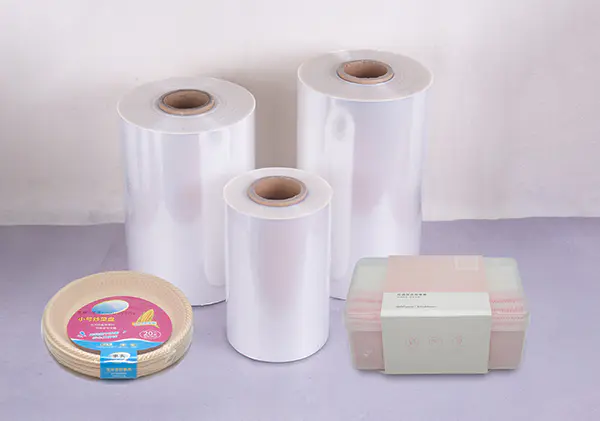
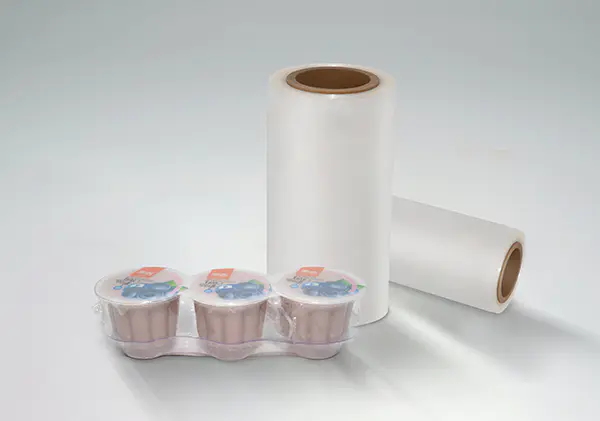
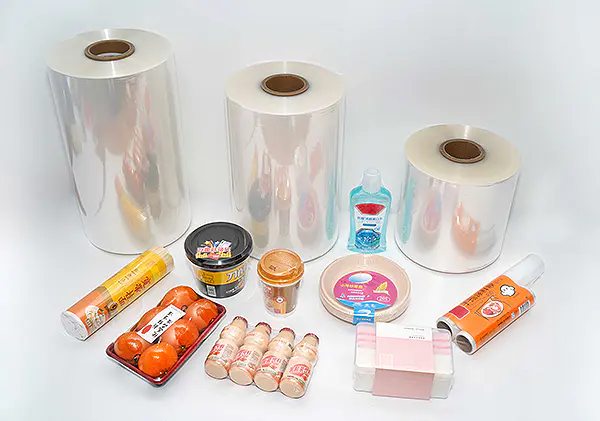
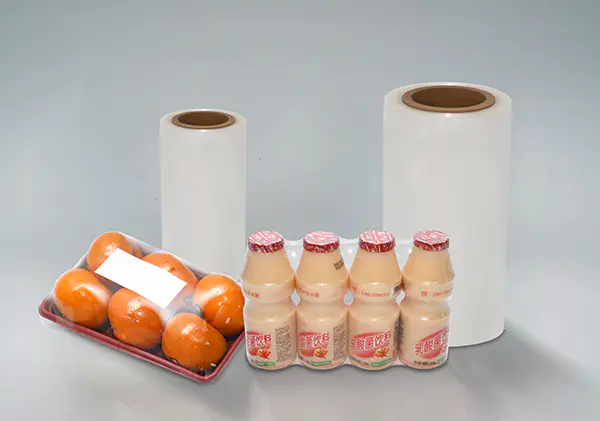
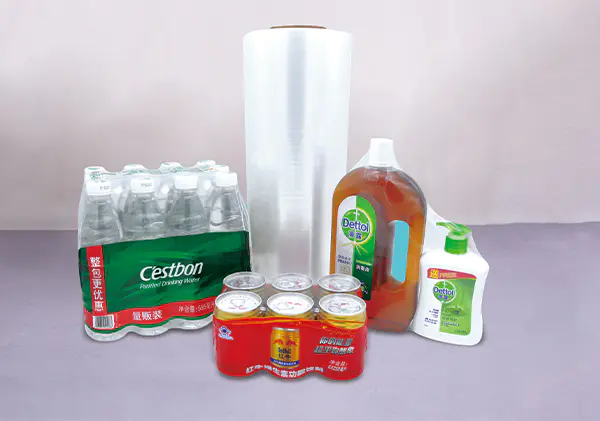
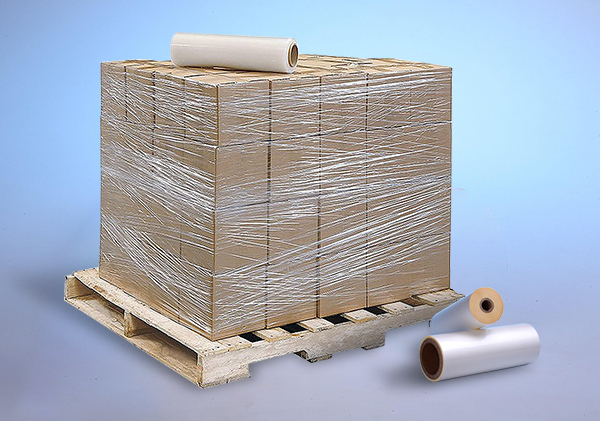
This is where Shrink Film POF can become part of a wider packaging arrangement worth planning for. It can be considered for outer grouping or wrapping applications, wherever several individually packaged products need to stay together during shipping or display.
For example, several snack portions may get placed into one grouped package for easier distribution to stores. Individual powder portions may also get collected into a larger retail unit meant for bulk sale.
The individual zip lock bag and the outer packaging then have genuinely different jobs to do. The inner package holds the measured portion and provides the user's actual access point once they're ready to use it. The outer layer can organize multiple units into a larger handling or sales format that's easier to move around a warehouse.
This layered approach can be genuinely useful when manufacturers need to balance individual use with commercial distribution at scale. The relationship between the two packaging stages should get considered during planning, not worked out after the fact. Individual bags need to fit the grouping method chosen, while the outer package shouldn't create unnecessary handling problems for warehouse staff.
This is also relevant for buyers sourcing different packaging components from separate suppliers. A portion-based system works a lot more smoothly when the individual package and outer grouping format get considered as parts of the same connected process, rather than two unrelated purchases.
Buyers looking for Commercial Zip Lock Bags may already have a specific product and serving concept in mind before reaching out to a supplier. The purchasing decision therefore involves a lot more than choosing a general bag style off a catalog page.
The product itself should guide much of the discussion from the start. Snacks, powders, and dry ingredients behave quite differently once filled, so the package needs to reflect how the contents actually get filled and used day to day.
Buyers can also consider how the individual portions will move through the supply chain before they reach a shelf.
These questions help connect the bag with its actual application in the real world, rather than leaving it as an abstract spec on a sheet.
For Custom Made Zip Lock Bags, customization should solve a genuinely recognizable packaging need, not just add features for their own sake. The bag may need to fit a certain portion size, work with an existing filling process, match a retail format already in use, or make repeated resealing more convenient for the end user.
This approach can also help avoid unnecessary customization down the line. A product doesn't need every available feature simply because the manufacturing process happens to allow it.
The idea of measured packaging can extend across many food categories sold in stores today. Each category creates a slightly different relationship between the product and the package built around it.
Snack foods often benefit from direct, easy-to-carry portions people can toss in a bag. Powdered products may need packaging that keeps the serving contained until preparation, without spilling in transit. Cooking ingredients can get divided according to how they're actually used in a recipe step by step.
Food businesses can therefore build packaging around actual consumption habits, rather than guessing at what customers might want.
| Application | Portioning Approach |
|---|---|
| Ready-to-eat snacks | One package for direct consumption |
| Drink powders | One package for one preparation |
| Baking ingredients | Portion matched to a recipe step |
| Seasoning | Small package for individual use |
| Food samples | Separate package for product testing |
| Mixed snack sets | Multiple portions grouped together |
The packaging does a lot more than simply contain the food inside it. It helps define how the food gets handled from the moment it leaves production until the customer finally opens it at home.
This is why Food Packaging Films and Plastic Packaging Films remain closely connected with product development throughout this whole process. Film selection, bag construction, printing, filling, and portion planning can all influence one another in ways worth mapping out early rather than fixing later.
As packaging demand continues moving toward more flexible serving formats, manufacturers can keep looking at bags as part of the complete product system rather than a standalone item. A Custom Made Zip Lock Bags solution can then get developed around the actual portion, food type, handling process, and distribution format in play, instead of treating the package as a generic container that happens to hold food.
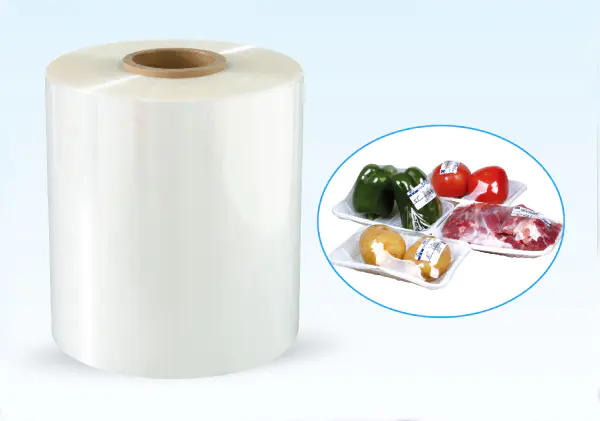
JT05 Antifog Crosslinked Shrink Film is an ideal o...
Copyright © Zhejiang Jiuteng Packaging Co., Ltd.
 简体中文
简体中文
 Home
Home
