
A packaging line running smoothly looks almost boring to watch — film feeds through, products get wrapped, heat tunnels do their job, and finished packages roll off the end in a steady rhythm. The moment the film doesn't match the equipment, that rhythm breaks. Wrinkles start showing up on finished packages, seals come out inconsistent from one unit to the next, and an operator ends up standing at the machine making manual corrections every few minutes instead of just watching it run. For packaging buyers, what looked like a simple material choice suddenly turns into an equipment problem nobody planned for.
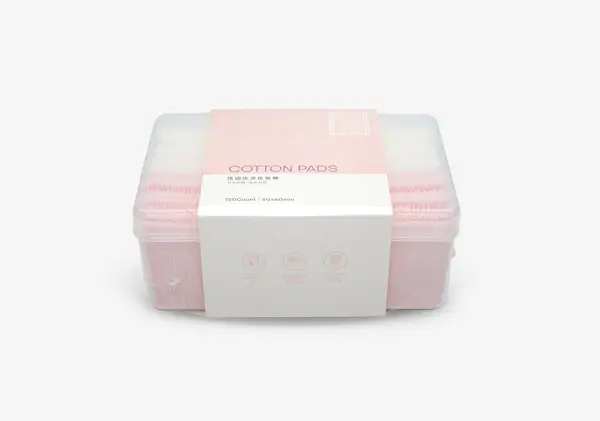
Shrink Film POF gets used widely because it can produce clear, tidy, adaptable packaging across a lot of product types. But picking the film can't really be separated from the machine running it. The film has to work with how it's fed into the line, how it's sealed, how heat gets applied, the shape of whatever's being wrapped, and the general pace of the production run.
This connection matters in two common situations: when a business replaces an existing film with a new one, or when new packaging equipment is installed. A film that behaved one way on the old line can behave completely differently once it's running through different feeding, sealing, and heating setups. Understanding these mechanics upfront gives buyers a much better footing when talking to equipment suppliers and film manufacturers.
Shrink film is not simply wrapped around products by hand on production lines. The material moves through several distinct stages before a finished package is ready to ship.
The equipment typically needs to:
Every one of these stages leaves its mark on how the final package looks and holds together. A film that runs cleanly on one line might need real adjustment on another simply because the machine design, sealing method, product shape, or general operating habits are different.
That's the reason it makes sense to talk through film requirements with the equipment supplier directly, rather than treating the film as a standalone consumable that'll work the same everywhere.For businesses considering a Shrink Film POF switch, checking compatibility before committing to a bulk order can help. A small trial run can show how the film behaves throughout the packaging process, rather than relying only on how it appears on a specification sheet.
Film feeding is often where compatibility issues begin to show during a trial run, sometimes becoming noticeable within the early stages of operation.
Packaging equipment has to pull, guide, and position the film consistently, roll after roll. If the material doesn't move smoothly through that process, it starts drifting off its intended position, and everything downstream compounds that error.
A few practical factors shape how well this goes:
| Equipment Concern | Film Requirement |
|---|---|
| Film movement | Handles consistently as it travels through the line |
| Positioning | Holds its dimensions without stretching unevenly |
| Unwinding | Releases smoothly off the roll without snagging |
| Folding | Flexes appropriately at fold points |
| Product entry | Behaves predictably as the product enters the film |
The film roll itself needs to physically match the equipment's feeding setup too — different machines use different roll orientations or folding methods, and a roll built for one configuration won't necessarily work on another without adjustment.
Operators should be able to keep an eye on the film as it runs without constantly stepping in to fix it by hand. If manual correction becomes a regular part of running the line, that's worth investigating — sometimes it's the film, sometimes it's the machine settings, and sometimes it's both.
Getting feeding right actually happens before sealing ever becomes an issue. Film that feeds cleanly tends to make everything that follows easier to manage.
Sealing is where the package actually closes around the product, and it's another spot where differences between films show up clearly — sometimes as a weak seal that pops open in transit, sometimes as an uneven seam that just looks unfinished.
The sealing system on a given machine is usually built around certain film characteristics, and the film needs to work within that setup rather than fight against it.
Worth checking here:
The product being wrapped plays into this too. A flat box seals more predictably than an item with awkward corners or parts sticking out at odd angles.
Any time the package design changes — a new product shape, a different box size — it's worth reassessing the film and equipment together rather than assuming the existing combination will keep working.
This matters especially for operations running one packaging line across several different product categories. A shift from wrapping flat boxes to wrapping irregularly shaped items can change how the film actually reaches the sealing area, sometimes in ways that aren't obvious until the run's already underway. A packaging trial ahead of time helps confirm whether a given film actually plays well with the existing sealing setup.
Once the seal's formed, heat brings the film down snug against the product, and how the material responds to that heat shapes the whole finished look. A film that shrinks unevenly can leave loose pockets, visible wrinkles, or distorted edges — the kind of thing that makes a package look sloppy even if the seal itself held fine.
Product shape drives a lot of this behavior:
| Product Shape | Possible Packaging Consideration |
|---|---|
| Flat product | Film needs to draw evenly across broad, open surfaces |
| Boxed product | Corners and edges need consistent, even coverage |
| Rounded item | Film needs to follow the curve without gapping |
| Irregular product | May need extra attention in the package design itself |
| Grouped products | Film has to accommodate the combined outline of several items |
Operators often end up adjusting the heating stage based on the specific film and product pairing they're running that day — the goal being a clean-looking package without warping the product or leaving the film looking pulled or stretched in spots.
The heating stage really needs to be considered right alongside sealing, not as a separate step. A film that seals cleanly but shrinks unpredictably under heat can still cause problems that only show up once the package comes out of the tunnel.
Shrink packaging gets chosen a lot specifically because it can conform to different product shapes, but that flexibility doesn't mean every film handles every shape identically well.
A product with sharp, angular corners interacts with the film very differently than something with soft, rounded edges. And once several items get bundled together for shipping, the combined shape becomes the actual profile the film has to work around — which is often more complex than any single item in the group.
Product surface — a smooth surface wraps differently than a textured or uneven one, since the film has more or less to grip against.
Corners and edges — sharp corners can change how the film folds and shrinks around a product, which may create thin areas or tearing when the film is not suited to the package shape.
Product grouping — several items packed together create a new, combined outline that the film needs to accommodate as a single unit.
Package stability — products that shift around during wrapping usually need a different equipment setup than ones that stay firmly in place through the whole cycle.
Working through these factors upfront helps determine whether the packaging machine already on the floor is actually suited to the film being considered. For businesses working with a Shrink Film POF supplier, giving them real detail about the actual product — not just a general description — tends to make the material conversation a lot more useful. Recommendations are more useful when they are based on the actual application rather than a generic assumption.
Comparing film categories is a common step in this process, and POF versus PVC shrink film comes up often in that conversation.
The comparison is more useful when it stays grounded in the actual packaging application rather than assuming one material will suit every job.
| Consideration | Shrink Film POF | PVC Shrink Film |
|---|---|---|
| Packaging applications | Runs across a fairly wide range of product types | Tends to suit more specific packaging applications |
| Appearance | Often picked for a clear, transparent look | Depends heavily on how the product's built |
| Equipment compatibility | Depends on the specific machine setup | Depends on the specific machine setup |
| Product suitability | Needs to be matched to the actual product | Needs to be matched to the actual product |
| Processing | Needs the right sealing and heating conditions | Needs its own suitable processing conditions |
Equipment stays relevant no matter which material ends up getting chosen. A packaging line built around one material often needs some adjustment when a different one gets introduced — feeding, sealing, and heating all deserve a second look rather than just assuming a material swap will run without a hitch.
So the real comparison isn't just film versus film — it's how each material interacts with the whole packaging system it's going to run through.
A lot of packaging operations handle more than one product on the same line, sometimes switching several times in a single shift. Equipment built with some flexibility built in makes those transitions a lot less painful when product shapes or packaging formats change.
Worth looking for on the equipment side:
These features cut down on disruption when the packaging task shifts. A business running small consumer goods one shift and larger boxed items the next needs equipment that can handle both without turning into a whole reconfiguration project each time.
The film has to support that same flexibility. A material that only performs well under a narrow, specific set of conditions becomes a real headache for an operation juggling mixed products — it works great on one run and causes problems on the next.
A solid match between equipment and film gives operators breathing room to handle normal day-to-day variation without everything grinding to a halt.
Running an actual material trial tends to surface problems that never would've shown up just reading a product spec sheet.
The test should run on the real packaging equipment whenever that's possible — testing on a demo machine at a trade show or supplier facility can look great and still behave completely differently once it's back on the actual production floor.
A useful trial should look at:
Testing across several representative product types gives a much clearer picture than running one single package shape through the trial and calling it done.
It's worth writing down any adjustments made during the trial too. If getting the film to work well required significant changes to the machine settings, that's important information heading into the purchasing decision — it tells you whether you're solving a film problem or an equipment-setting problem, and those call for very different fixes.
A film manufacturer needs a real picture of how their material is actually going to get used, not just what it's theoretically capable of.
A Shrink Film POF supplier producing for a range of different packaging applications still needs to know the specifics of the end-use environment — equipment type, product shape, packaging method, and the finished look a buyer's going for all shape which material actually makes sense.
Useful information to hand over to a supplier:
| Buyer Information | Why It Matters |
|---|---|
| Product type | Helps the supplier picture the actual packaging situation |
| Product shape | Shapes how the film needs to wrap and shrink |
| Machine arrangement | Grounds the compatibility conversation in reality |
| Sealing method | Affects how the seal actually forms |
| Heating process | Shapes how the shrink behavior plays out |
| Packaging format | Helps determine what film handling characteristics matter |
Clear communication here heads off a lot of misunderstanding down the line. A buyer doesn't need to hand over dense technical specs — a straightforward explanation of the product, the packaging process, the equipment setup, and any recurring production headaches gives a supplier plenty to work with.
From there, the supplier can point toward a material actually suited to the application, instead of defaulting to whatever's easiest to quote. This kind of back-and-forth becomes especially valuable when a business is developing a new packaging format or bringing in new equipment altogether.
Packaging performance never comes down to just one part of the system. The film, the machine, the product, and the way operators actually run the line all interact continuously throughout the process.
A well-matched setup makes day-to-day packaging work a lot more predictable. Operators get to focus on keeping production moving instead of constantly nudging film back into position, chasing down inconsistent seals, or eyeballing packages for wrinkles as they come off the line.
For buyers, a practical approach usually looks like this:
This kind of process holds up whether a company's swapping Shrink Film POF into an existing line or planning out a brand-new packaging setup from scratch.
The film needs to fit the machine, and the machine needs to give the film the right conditions to actually perform. When both sides get evaluated together instead of separately, packaging teams end up making decisions grounded in what actually happens on their production floor — not just what a film's description promises on paper.
JT05 Antifog Crosslinked Shrink Film is an ideal o...
Copyright © Zhejiang Jiuteng Packaging Co., Ltd.
 简体中文
简体中文
 Home
Home
