
Retailers, food businesses, warehouses, online sellers and packaging distributors often buy resealable bags in large quantities to keep packaging lines supplied and unit costs predictable. Selecting solely on the lowest-priced quote can result in inconsistent dimensions, zippers that fail under ordinary handling, or materials unsuited to the intended contents. Application requirements, material properties, closure performance and supplier reliability must therefore be examined together before a bulk commitment is made. Zip Lock Plastic Bags that meet these checks support smoother packaging operations and fewer complaints once the stock reaches the packing station.
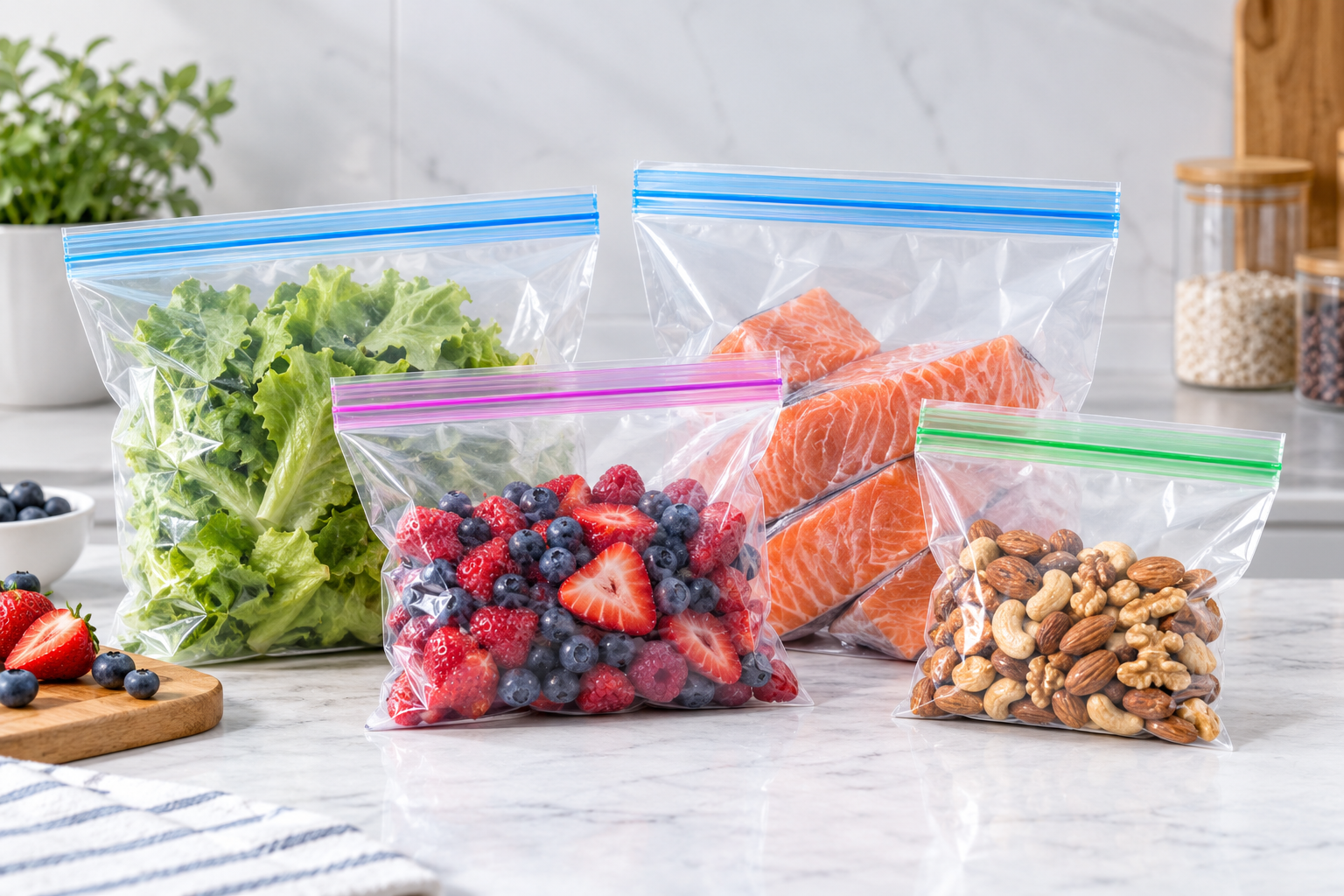
When bags will hold dry ingredients, fresh produce, frozen items or other edible products, the polymer must be suitable for direct food contact under the expected temperature range. Closure integrity, internal dimensions and resistance to ordinary handling are confirmed against the way the filled bags will be stacked, transported and opened by end users.
Product size and shape determine the required internal volume and opening width. Transparency, clarity of the film and the ease with which the zipper can be opened and reclosed influence both packing speed and the appearance of the finished package. Any need for printed branding, product information or custom labelling is identified early so that artwork and print methods can be agreed before production begins.
Parts that are sharp, heavy or irregularly shaped place higher demands on film thickness and seam strength. Bag dimensions are chosen to allow efficient sorting and inventory control without excess empty space that increases storage volume. Closure reliability prevents parts from spilling during movement within the warehouse.
Available resins differ in flexibility, optical clarity and toughness. Thicker film generally improves resistance to tearing and puncture, yet unnecessary thickness raises material cost and can make the bag stiffer to handle. The specification is therefore set by the actual mechanical demands of the application rather than by an automatic preference for the heaviest gauge. Where food contact, freezer temperatures or other special conditions apply, suitability is verified against the supplier's material data rather than assumed from appearance.
The zipper track is opened and closed repeatedly on sample bags to confirm smooth travel and positive engagement. Once closed, the seal is checked under light tension and ordinary flexing to ensure it remains fastened. Side and bottom seams are examined for continuous welding and freedom from thin spots or gaps. Resistance to tearing at the corners and to puncture from typical contents is evaluated under conditions that resemble real use. Physical samples tested in this way provide clearer evidence than written claims alone.
Internal length, width and the position of the zipper relative to the top edge determine how efficiently the product fills the bag and how easily it can be inserted or removed. Multiple sizes may be required when the same facility packs several product families. Options for film colour, surface printing, writable panels and outer-case quantities are reviewed against branding and logistical needs. All custom details—exact dimensions, tolerances, artwork and packing configuration—are fixed in writing before the bulk order is released to production.
Unit prices are compared only among bags that share the same material, thickness, size and quality grade. Printing, special packaging, freight and any applicable duties are added so that the landed cost per usable bag is visible. Performance differences that affect packing speed or product protection are weighed against the price gap. Storage space and expected consumption rate further influence the quantity ordered, preventing accumulation of slow-moving inventory. Quotations that appear attractive solely because of a low unit figure are set aside until the full specification and commercial terms are aligned.
Consistency of dimensions, thickness and zipper function from bag to bag is confirmed through the supplier's process controls and inspection records. Procedures for detecting and isolating defective product are reviewed. Samples are obtained and tested under the same packing and storage conditions the bags will later encounter. Production capacity and typical production turnaround times are checked against the buyer's volume and delivery schedule. Ability to accommodate requested sizes, materials, print and outer packaging is verified. When food-contact or other regulated uses are involved, relevant material declarations and compliance documents are requested and retained.
Placing a large order before samples have been evaluated under realistic conditions leaves performance risks undiscovered until the stock arrives. Comparing prices across quotations that differ in gauge, resin or zipper style produces misleading rankings. Neglecting to test zipper action and seam integrity allows weak closures to enter the packaging line. Approving print artwork or dimensional drawings without final written confirmation invites production that does not match the intended design. Ordering quantities far beyond foreseeable demand ties up capital and warehouse space. Treating every transparent resealable bag as suitable for food or freezer use ignores material limitations that appear only after filling.
Uniform dimensions allow packing stations to work at a steady pace without constant adjustment for size variation. Closures that remain secure reduce the need to re-bag product or to handle spills. When the chosen gauge, size and features align with the actual product and budget, both material waste and handling time decline. Custom printing or labelling further supports product identification and shelf presentation. These benefits appear only when samples and documented specifications have been examined before the volume commitment is made.
| Evaluation Area | Purpose of the Check | Evidence or Action Required |
|---|---|---|
| Application definition | Matches bag properties to contents and handling | Written description of food, retail or industrial use |
| Material and thickness | Ensures durability and regulatory suitability | Material data and confirmation of food-contact status |
| Zipper and seam integrity | Prevents leakage and re-bagging | Physical sample testing under realistic conditions |
| Dimensions and customization | Fits product size and branding needs | Approved drawings, artwork and packing configuration |
| Total landed cost | Reveals true expense beyond unit price | Inclusive quotation covering print, freight and duties |
| Supplier process and capacity | Supports consistent supply and quality | Inspection records, delivery timeframes and sample performance |
Successful bulk purchasing rests on clear definition of the application, careful comparison of material and closure performance, accurate sizing and customization, realistic cost calculation and thorough supplier assessment. Samples tested under actual packing conditions and specifications confirmed in writing reduce the likelihood of receiving stock that fails in use. Zhejiang Jiuteng Packaging Co., Ltd. manufactures resealable plastic bags for food, retail and industrial packaging. Review of available materials, thicknesses, sizes, zipper styles and customization options against the intended contents and volume requirements allows selection of bags that deliver consistent performance across successive orders.
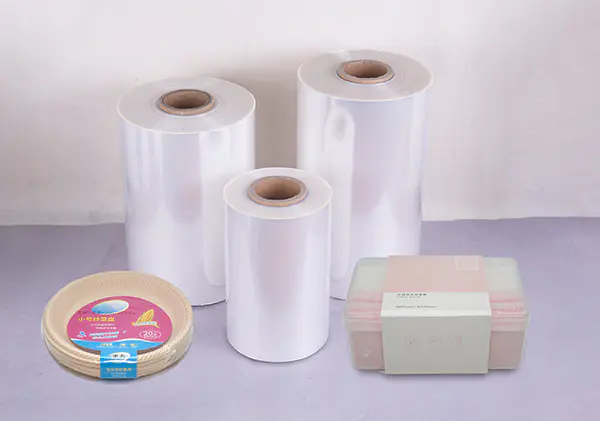
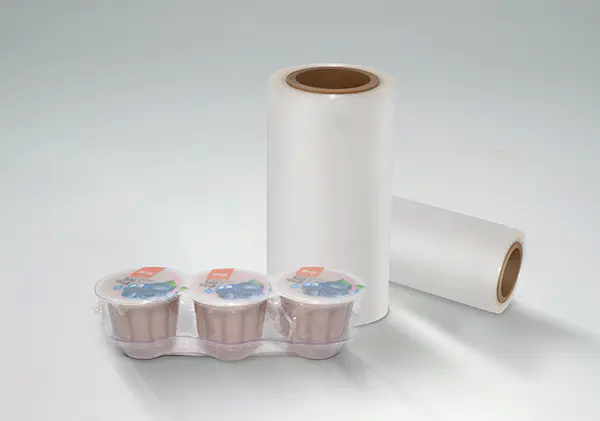
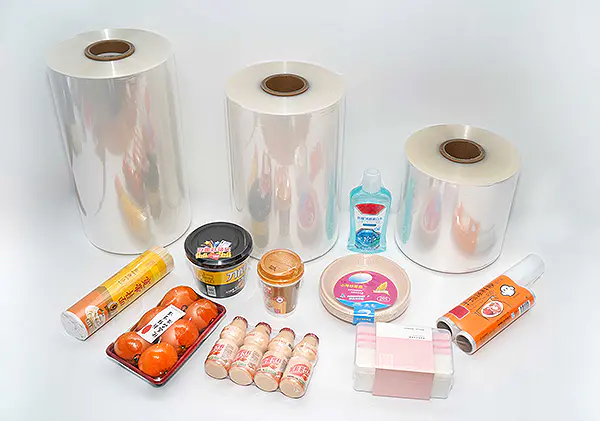
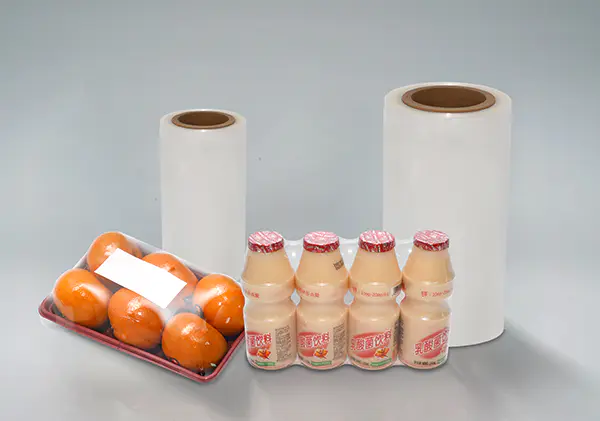
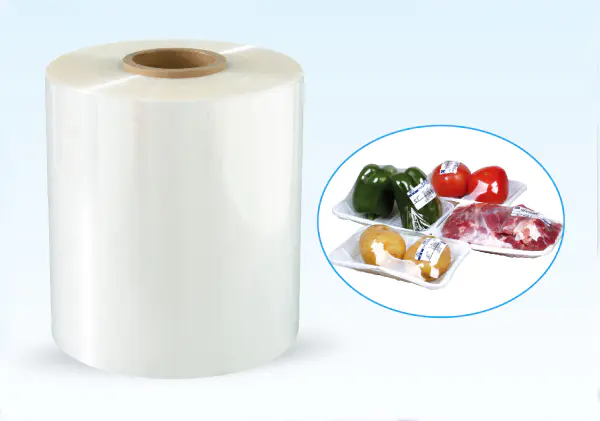
JT05 Antifog Crosslinked Shrink Film is an ideal o...
Copyright © Zhejiang Jiuteng Packaging Co., Ltd.
 简体中文

 Home

