
Shrink packaging continues to support manufacturing, logistics, and retail distribution by offering barrier control, product protection, and flexible presentation options. Among the many materials available, polyolefin shrink film holds a consistent position due to its clarity, balanced performance, and adaptable processing characteristics. As market needs shift toward efficiency, sustainability, and reliable performance across diverse applications, the importance of choosing the proper film grade becomes more significant. Each grade of polyolefin shrink film provides a different mix of shrink response, seal performance, strength, surface appearance, and machinability.
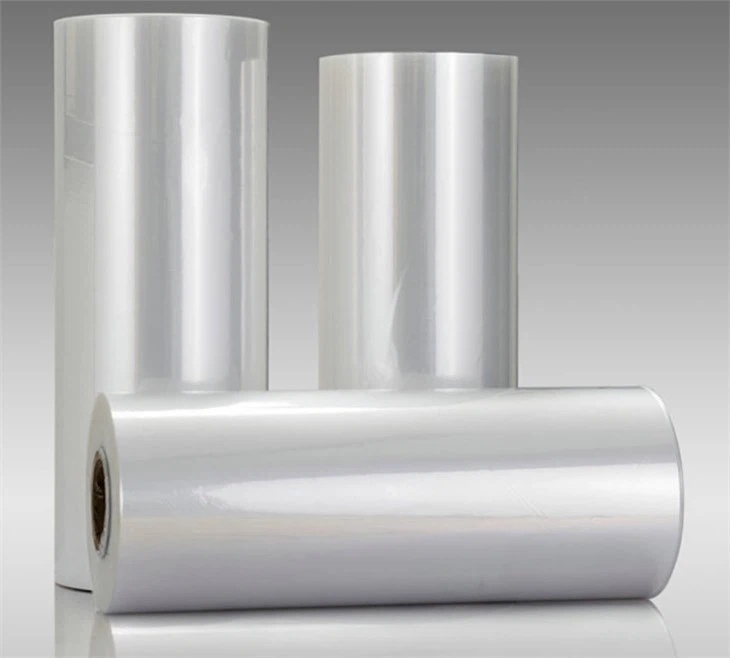
Polyolefin shrink film is produced from a blend of polyethylene and polypropylene. The combination allows the film to shrink in two directions when exposed to controlled heat, creating a smooth and uniform wrap around individual items or grouped products. Bi-axial shrink behavior helps maintain tension balance and reduces stress points that could otherwise lead to film distortion.
The manufacturing process begins with resin extrusion, followed by film orientation that sets the shrink memory. The degree of orientation influences shrink ratios, flexibility, clarity, and sealing behavior. Some grades receive additional processing—such as cross-linking—that reinforces the polymer structure and enhances durability.
Common performance attributes that vary across film grades include:
These attributes define how a film reacts on packaging machines and how it protects and displays products through storage and transport.
General-purpose polyolefin shrink film is made to handle a wide range of everyday packaging needs. Its balanced structure allows consistent shrinking without requiring specialized machine adjustments. This grade is used in packaging lines where product variety is large, and output needs to remain steady. It suits items such as printed goods, toys, simple household items, and promotional packs.
Key characteristics include moderate shrink force, stable clarity, and reliable sealing performance. Manufacturers often use this grade when the priority is predictable behavior rather than specialized performance enhancements.
Some applications require a clean, transparent appearance to support product visibility on shelves. High-clarity grades improve gloss and reduce haze through resin selection and controlled cooling during the manufacturing process. These films help maintain visual presentation for consumer goods like bakery products, stationery, small gifts, or cosmetic items.
High-clarity films are also selected when packaging serves both protective and branding purposes. The improved surface finish can support printed shrink sleeves or labels, depending on the equipment and design.
For products that have irregular edges or require additional protection, high-strength polyolefin shrink film enhances durability through reinforced structure or increased film density. This grade handles items such as small tools, multi-unit bundles, and heavier consumer goods that may stress a standard film.
High-strength films maintain integrity under pressure and resist tearing during heat shrinking. They are often selected for compact industrial products and packaging scenarios where the wrapped item may encounter physical stress during shipping.
Cross-linked polyolefin shrink film undergoes a bonding process that reinforces the polymer chains, creating a stable structure with improved resistance to wear. This process results in several advantages:
Cross-linked film supports packaging lines that run continuously or at accelerated speeds. It works well for irregularly shaped goods, multipacks, and items that require a consistently tight wrap. The reinforced structure also helps withstand handling conditions throughout distribution.
Low-temperature polyolefin film is formulated to shrink at reduced heat exposure. This characteristic supports:
The reduced heat requirement provides smoother shrinking for delicate materials. Low-temperature film also supports packaging operations where precise control of appearance is necessary, reducing the risk of warping or surface marks.
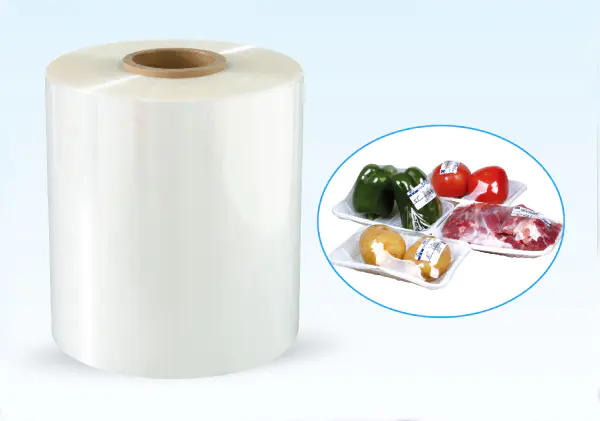
Anti-fog grades are developed for products that accumulate moisture, such as refrigerated goods or fresh produce. The film surface is modified to prevent condensation droplets from forming, maintaining clarity over time.
This type of film is regularly used in bakeries, fruit packaging, and chilled storage applications. The consistent surface visibility supports retail display and helps the package remain visually clean in cooler environments.
Products containing electronic components require stable packaging conditions that do not attract dust or hold static charges. Anti-static polyolefin film incorporates additives that allow static dissipation.
This grade is used for connectors, cables, small circuit assemblies, and items that must remain clean or protected from static build-up during handling or storage.
Some goods need minimal shrink force to avoid deformation. Soft-shrink films reduce surface tension during the shrinking process, creating a smooth wrap without compressing the product.
These films are frequently used for printed materials, pharmaceutical boxes, craft items, and fragile packaging where the shape must remain unchanged.
Below is a simplified visual table comparing film grades and their general characteristics (non-numerical, non-time-based):
| Film Grade | Shrink Force | Clarity | Durability | Best Application Types |
|---|---|---|---|---|
| General-Purpose | Moderate | Moderate | Moderate | Everyday goods, simple retail items |
| High-Clarity | Moderate | High | Moderate | Bakery, cosmetics, display packaging |
| High-Strength | High | Moderate | High | Tools, multipacks, industrial items |
| Cross-Linked | High | High | High | High-speed lines, irregular shapes |
| Low-Temperature | Low | Moderate | Moderate | Heat-sensitive goods |
| Anti-Fog | Moderate | High | Moderate | Produce, refrigerated goods |
| Anti-Static | Low | Moderate | Moderate | Electronics, dust-prone environments |
| Soft-Shrink | Low | High | Low | Books, pharmaceuticals, delicate goods |
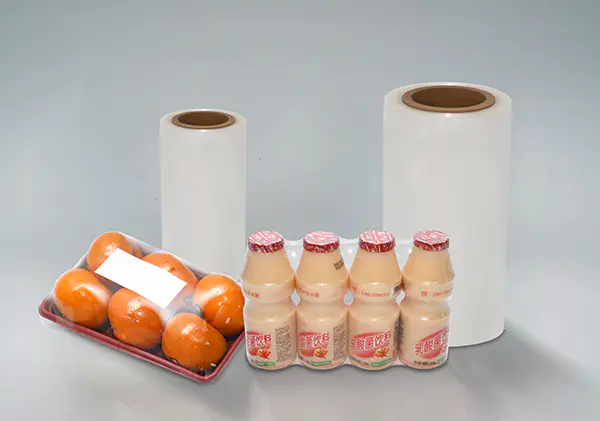
Retailers rely heavily on packaging that protects items while supporting shelf visibility. High-clarity, soft-shrink, and general-purpose polyolefin films are commonly used in this category. These options provide a stable presentation without compromising product structure.
Food packaging relies on film grades that maintain appearance and prevent moisture buildup. Anti-fog films support refrigerated foods, while cross-linked and high-clarity grades assist bakery products and consumer goods that need uniform appearance.
Some food applications may require direct-contact suitability depending on the region and product category, therefore film selection often aligns with regulatory requirements and material specifications.
Electronics require packaging that prevents dust and static build-up. Anti-static film is used for sensitive components, while low-temperature grades may be selected when product coatings or adhesives are sensitive to heat exposure.
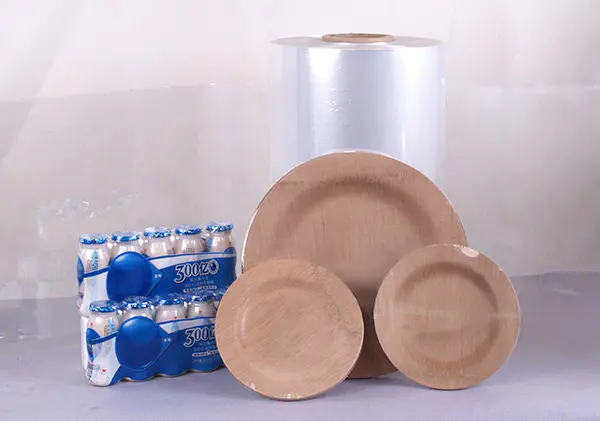
Cross-linked and high-strength films provide support for grouped products during transport. These films create uniform wrapping around irregular shapes and help stabilize multipacks for retail or logistics.
In distribution environments, film durability and stability affect transport efficiency. High-strength or cross-linked grades handle warehouse movements, stacking, and handling conditions. For items needing protection from scuffing or shifting, balanced shrink force is beneficial.
General-purpose and soft-shrink films offer predictable performance on L-bar sealers. These machines handle a wide mix of product shapes, making balanced film grades preferable.
Side-seal packaging lines benefit from films with consistent thickness and predictable shrink behavior. Cross-linked and high-clarity grades help maintain stable seals.
High-speed lines require films that resist tearing and maintain sealing efficiency. Cross-linked grades reduce residue on sealers and provide stability through rapid cycles.
The chosen grade must match the shrink tunnel's heat profile. Low-temperature films support delicate items and reduce energy demand, while general-purpose films run well under standard conditions.
Polyolefin shrink film can be compatible with recycling programs depending on regional guidelines. Many manufacturers prioritize downgauging—reducing film thickness—to help minimize material use. Advanced film grades often allow thinner gauges without reducing performance, supporting efficiency in product distribution.
Films that require less shrink heat also contribute to lower energy consumption on packaging lines. This advantage aligns with broader sustainability objectives across supply chains.
Packaging markets continue to shift toward lighter materials, more adaptable processing grades, and improved recyclability. Developments include improved low-temperature formulations, expanded high-clarity films using optimized resins, and expanded anti-fog options for new food categories.
Additionally, growth in e-commerce packaging encourages demand for films that maintain appearance while protecting items through distribution networks with varying handling conditions.
Polyolefin shrink film grades support many industries because they offer adaptable performance across shrink force levels, clarity requirements, and durability needs. Each grade—from general-purpose to cross-linked—serves a distinct set of packaging objectives. Matching the film grade to machinery, product type, and transportation conditions improves both appearance and handling efficiency.
Selecting the appropriate grade helps maintain product stability, reduce waste, and support consistent packaging operations from production to retail display.
Manufacturers, distributors, and brand owners searching for stable shrink packaging materials can work with jtpackage to obtain polyolefin shrink films made for broad compatibility across packaging lines. The company provides multiple film grades including options for clarity, strength, low-temperature response, and anti-fog performance. Each film is produced with attention to consistent shrink behavior, sealing stability, and suitability for various goods ranging from food items to electronics.
JTPackage continues to support global packaging needs through dependable material supply and flexible product options that align with different manufacturing and logistics requirements. For businesses looking to improve packaging efficiency with polyolefin shrink film solutions, JTPackage offers guidance and support to help match film grades with specific packaging goals.
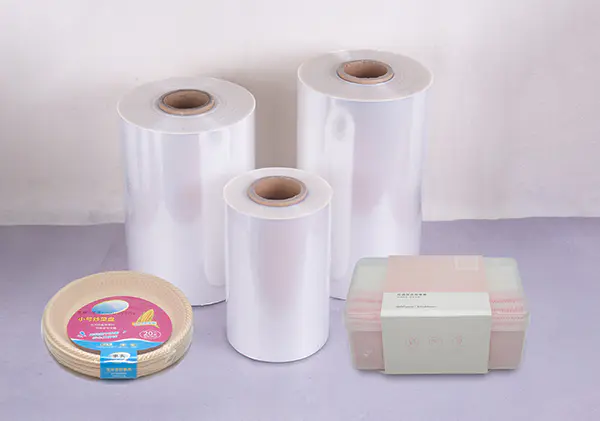
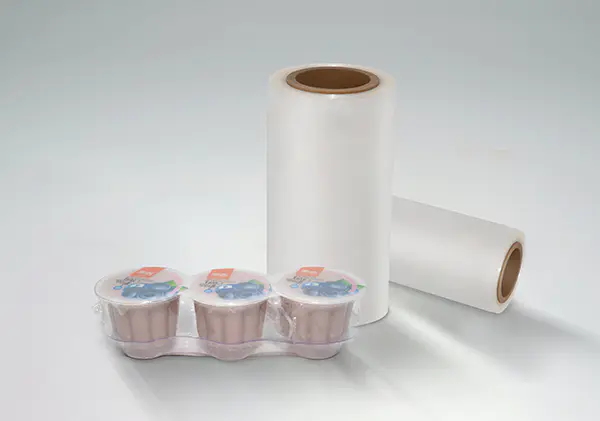
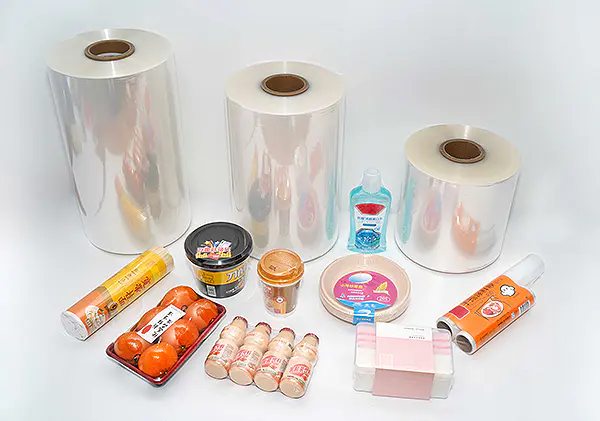
JT05 Antifog Crosslinked Shrink Film is an ideal o...
Copyright © Zhejiang Jiuteng Packaging Co., Ltd.
 简体中文
简体中文
 Home
Home
