
Shrink film remains one of the most practical solutions for securing products during storage and transit while keeping packaging costs reasonable. Two of the most common types that packaging teams regularly compare are PE (polyethylene) shrink film and POF (polyolefin) shrink film. Each has its own strengths depending on what the product needs—whether it's heavy-duty bundling or attractive retail presentation. The following sections break down how these two films differ in material makeup, real-world performance, typical uses, cost behavior, and other practical considerations so you can more easily decide which one fits a particular job.
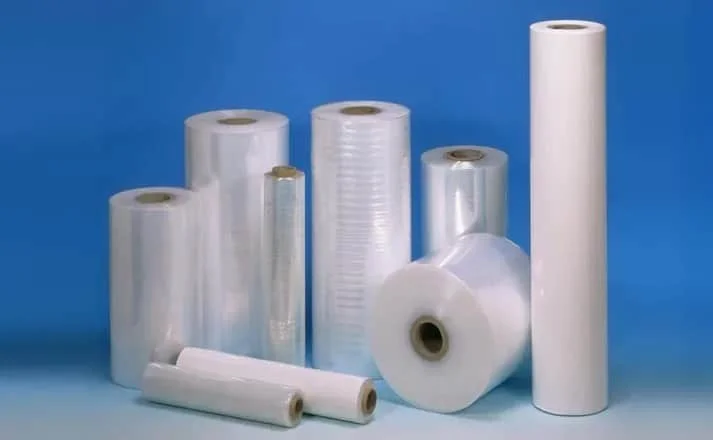
PE shrink film starts with polyethylene resin, usually LDPE or LLDPE. These are straightforward ethylene-based polymers that get melted and pushed through a die to form a tube or flat sheet. After that comes the orientation process—stretching the film in one or both directions so it “remembers” to shrink tightly when heated later. The whole sequence stays relatively simple with fewer variables.
POF shrink film uses a blend of polyolefin resins, most often combining polypropylene with some polyethylene grades. It's almost always made by co-extrusion, meaning several melt streams feed into one die to build a multi-layer structure—typically three to five layers. Different layers handle different jobs: some improve gloss and sealing, others add toughness or control slip. That layered approach gives more room to fine-tune properties but also makes the production setup more complex.
Because PE sticks to one main polymer family while POF mixes several, the films end up behaving differently during shrinking, sealing, and running on machines. The simpler PE process usually means quicker setup changes; the layered POF needs tighter control but delivers more balanced results across a wider range of conditions.
PE film stands out for its solid tensile strength and tear resistance. That makes it dependable when you need to hold heavy or awkward loads together without the wrap splitting. Puncture resistance is decent for most industrial tasks, though it can struggle against very sharp corners compared with multi-layer films. Clarity is good enough for functional packaging but rarely looks premium on a store shelf. It shrinks with decent force, but you often need higher tunnel heat to get full, even contraction.
POF film is noticeably clearer and glossier, which is why it shows up so often around food trays, personal-care items, and small electronics. The layered construction spreads stress better, giving balanced puncture resistance even on irregular shapes. It shrinks more uniformly and usually at lower temperatures, which helps avoid distorting delicate products. Seals come out cleaner with almost no odor and very little residue left behind.
Heat response differs quite a bit in practice. PE generally asks for stronger heat settings, sometimes pushing energy use higher. POF works across a wider, lower temperature band, so it forgives small mistakes in tunnel setup more easily. These differences usually decide whether a line runs smoother with one film or the other.
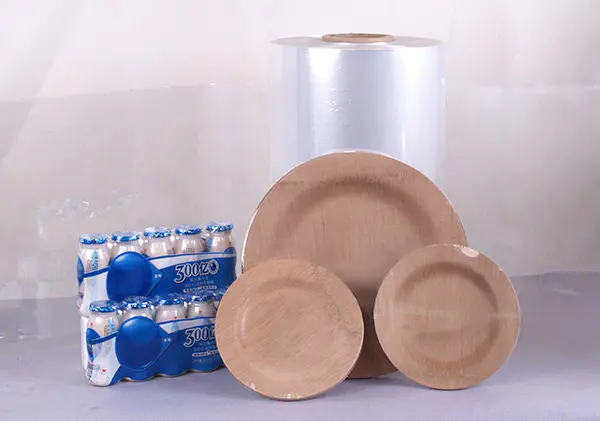
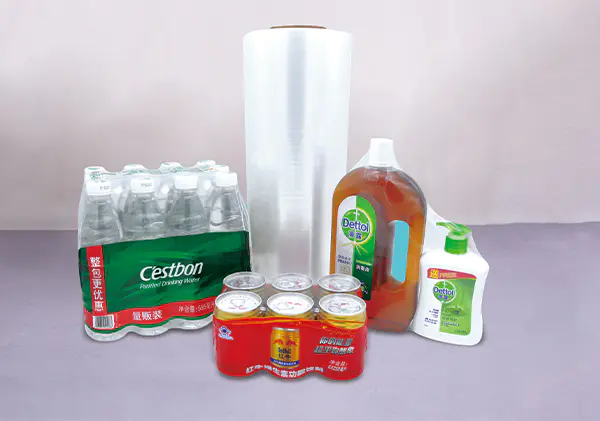
PE shrink film handles a lot of the heavy lifting in industrial environments. Beverage plants use it to bundle six-packs, twelve-packs, and trays of cans or bottles because the film keeps everything stable on pallets and during truck rides. Construction suppliers wrap stacks of lumber, drywall sheets, insulation, and metal profiles—items that need weather resistance more than showroom looks. Agricultural operations choose it for fertilizer sacks, seed bags, and equipment kits that face dust, moisture, or long outdoor storage.
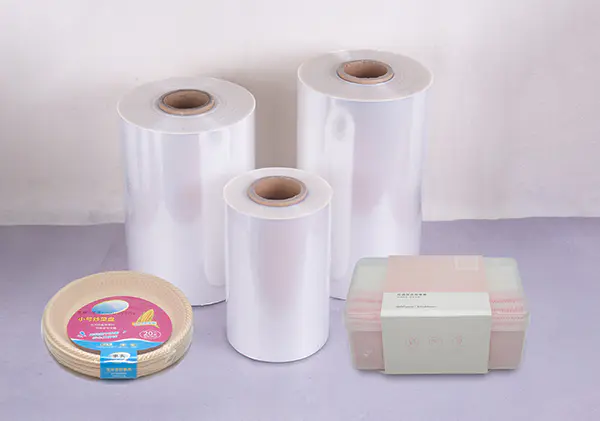
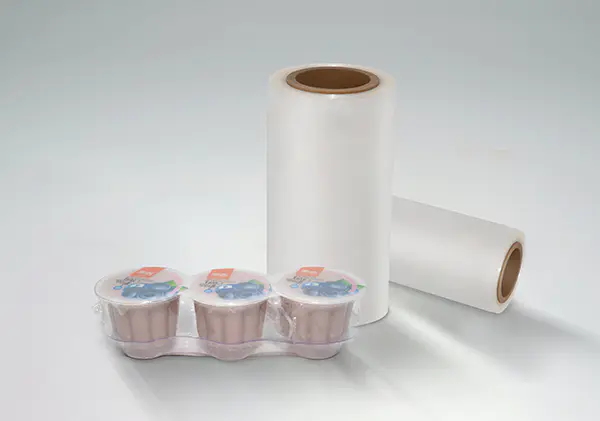
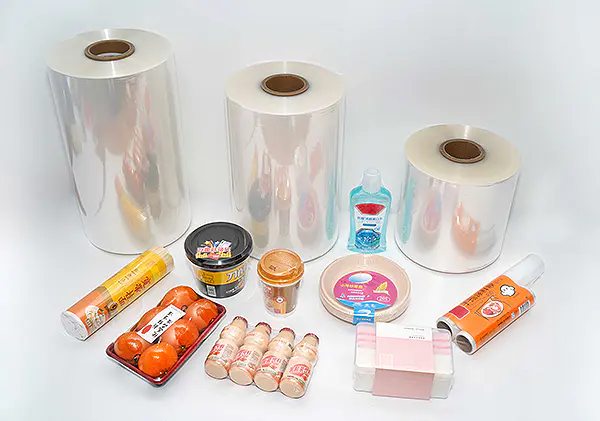
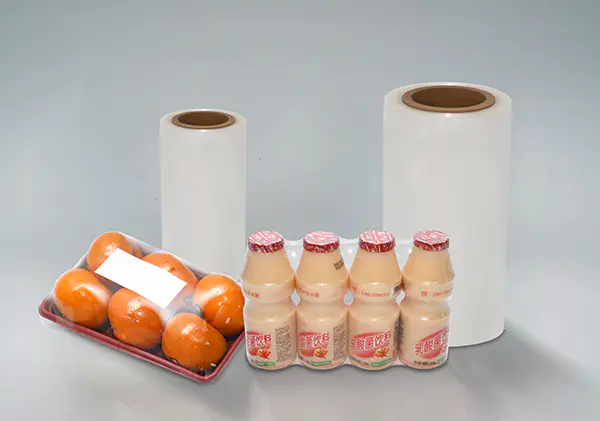
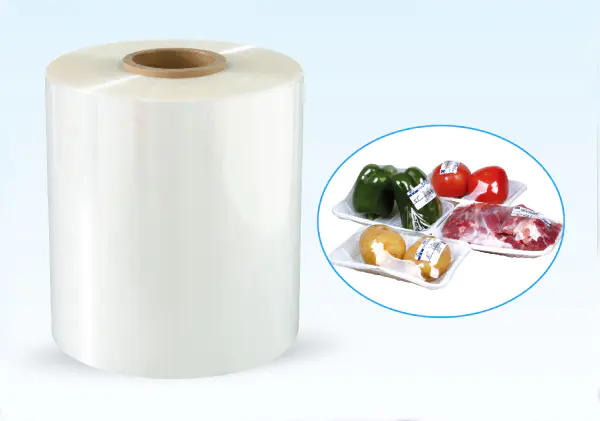
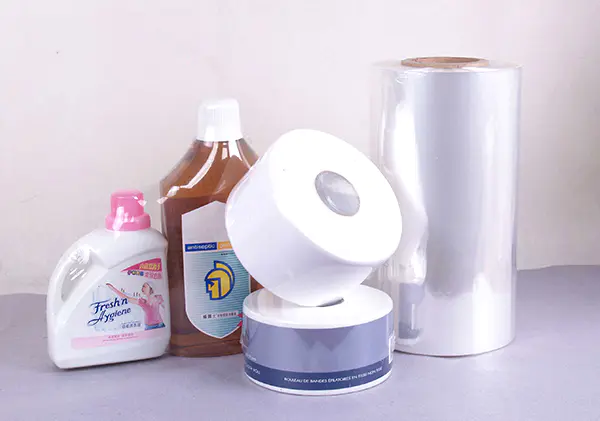
POF film takes over when the package will be seen and handled by end customers. Fresh produce trays, bakery items, frozen foods, chocolates, and ready meals rely on its clarity so shoppers can see exactly what they're buying. Cosmetics, shampoo bottles, toy sets, notebooks, phone accessories, and many small electronics get wrapped in POF for the glossy, tight finish that looks polished on shelves or in online photos. E-commerce warehouses often pick it for single-item wraps because it gives a clean, tamper-evident look without adding much bulk.
In short, PE usually wins when strength and low cost matter most; POF gets the nod when appearance and gentle handling are higher priorities. Plenty of supply chains actually use both films at different stages.
PE film keeps material cost down, especially when you're running large volumes of industrial bundles or pallet wraps. It stands up well to rough handling, vibration, and some outdoor exposure. Because it's a single-polymer material, most recycling programs handle it without special sorting. On the downside, long-term UV exposure can cause yellowing or gradual stiffening, so it isn't ideal for products that sit outside for months. Shelf appeal stays basic rather than eye-catching.
POF film brings strong visual advantages—high clarity, good gloss, low haze—that help products look more premium and encourage purchases. It shrinks at lower heat, uses less energy in many tunnels, and handles refrigerated or humid conditions without fogging up. The main trade-offs are higher starting cost and slightly more complicated recycling due to the multiple layers. In very price-sensitive markets that extra cost can add up quickly.
Neither film is perfect everywhere. PE sometimes needs more tweaking to get consistent shrinkage on high-speed lines; POF can be pickier about ink or additive compatibility. Matching the film to the real priorities of the job usually gives the right outcome.
Packaging buyers pay more attention to end-of-life handling these days. PE film has a single-family chemistry, so it fits easily into standard polyolefin recycling streams in most places that collect stretch and shrink films. Many programs already take it without much extra sorting.
POF's multi-layer makeup can make mechanical recycling trickier unless the facility has advanced separation equipment. Some newer POF formulations move toward mono-material designs to close that gap while keeping performance close to current standards. Both films help reduce overall packaging weight compared with rigid boxes or trays, which cuts transport emissions.
The smarter way to look at it is the full picture: how much material gets used per package, how much energy the tunnel consumes, how far the rolls have to travel, and what actually happens to the film after use in your specific region. Those factors often matter more than small differences in the film itself.
Upfront price usually favors PE. Rolls cost less per square meter, and that difference becomes noticeable when you're wrapping hundreds or thousands of pallets a month. Supply is broad, so pricing tends to stay steadier even when resin markets move.
POF starts higher because of the co-extrusion process and blended resins, but total applied cost can look better in some cases. Faster shrinkage, lower heat settings, fewer rejected packages from bad seals, and less product damage during handling all add up. Thinner POF gauges often match the protection level of thicker PE, which improves yield per kilogram.
Machine fit plays a big role too. PE runs well on older, heavier-duty tunnels; POF shines on faster, more temperature-sensitive lines. When you add up film price, line speed, rework, energy, and waste, the cheaper roll doesn't always mean the lower overall cost.
| Aspect | PE Shrink Film | POF Shrink Film |
|---|---|---|
| Material Base | Mainly one polyethylene type | Blend of polyolefin resins |
| Clarity & Gloss | Serviceable for industrial needs | Very clear and glossy |
| Mechanical Strength | Strong tensile and tear properties | Good all-around puncture and tear resistance |
| Shrink Temperature | Usually needs higher settings | Works well at lower temperatures |
| Sealing Performance | Solid seals, sometimes with noticeable odor | Clean, low-odor seals |
| Typical Thickness | Often thicker for heavy loads | Frequently thinner yet protective |
| Primary Applications | Bundling, palletizing, outdoor wraps | Retail food, personal care, consumer goods |
| Cost Profile | Lower material price | Higher price, offset by processing gains |
| Recyclability | Generally straightforward | Possible, sometimes needs more sorting |
This quick side-by-side view helps narrow down which film makes sense for a given line or product.
If you're looking for a steady source of PE or POF shrink film that performs consistently, JTPackage focuses on producing both types with tight process control. The factory supplies rolls in a range of widths, thicknesses, and core sizes to match different machines and applications.
JTPackage keeps communication direct and lead times predictable so production stays on schedule. The emphasis stays on delivering film that shrinks evenly, seals reliably, and holds up through handling and transit—practical qualities that matter on the floor every day.
JT05 Antifog Crosslinked Shrink Film is an ideal o...
Copyright © Zhejiang Jiuteng Packaging Co., Ltd.
 简体中文
简体中文
 Home
Home
