
A box of glassware ships across the country wrapped only in loose plastic, and by the time it arrives, everything inside has shifted just enough to crack against the box wall. That kind of damage usually does not happen because the product lacks durability — it often occurs because the wrapping material fails to keep the item secure and prevent unwanted movement during handling.
Packaging gets treated as an afterthought more often than it should. A product can be well made, priced right, and exactly what a customer wants, but if it arrives dented, scratched, or shifted around inside its box, none of that matters much in the moment it's opened.
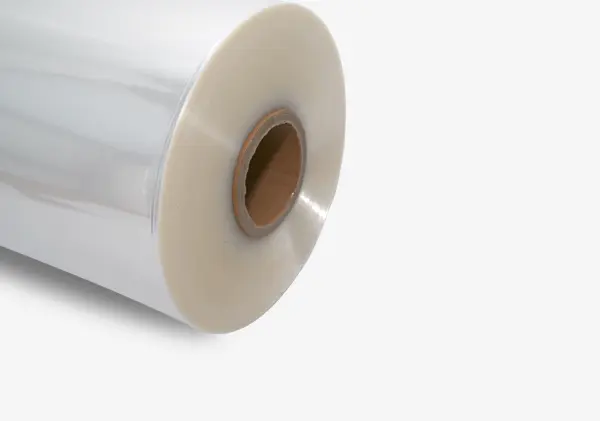
A good wrapping material does more than cover something up. It holds pieces together during a bumpy truck ride, keeps dust and moisture off items sitting in a warehouse for weeks, and lets a customer see what they're buying without tearing into anything first.
| Packaging Need | Practical Purpose |
|---|---|
| Product protection | Keeps items from shifting or getting damaged in transit |
| Clear appearance | Lets buyers see the product without opening the package |
| Flexible use | Works across different product shapes and sizes |
| Convenient handling | Speeds up packing and unpacking on the warehouse floor |
Anyone who's dealt with a return shipment because of loose or torn packaging knows how much this one detail affects the bottom line, well beyond just how the product looks on a shelf.
This film starts as a polyolefin-based plastic, but it goes through a cross-linking process that changes its internal structure — the polymer chains get bonded together in a way that makes the material hold up better under heat and stress than an untreated film would. That structural change is what separates this film from a basic plastic wrap.
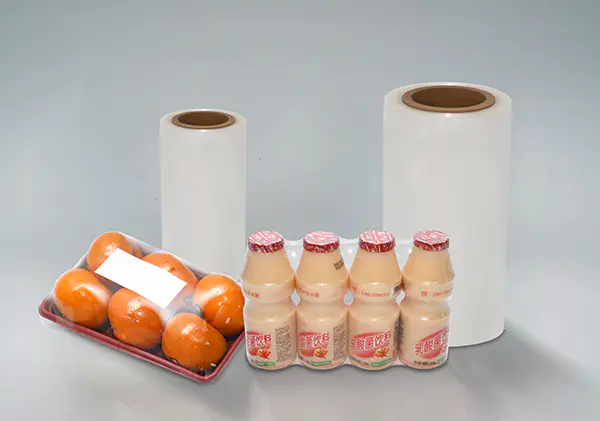
Once applied around a product, heat causes the film to shrink tightly, pulling in close enough to hug the shape underneath rather than sitting loose. A box of assorted retail items wrapped this way stays bundled together as one unit instead of sliding around independently during shipping.
| Feature | Packaging Value |
|---|---|
| Flexible structure | Adjusts to different product shapes without tearing |
| Clear surface | Lets the product remain visible through the wrap |
| Smooth wrapping effect | Produces a tight, professional-looking finish |
| Practical handling | Works well with standard packing line equipment |
A warehouse worker running this film through a shrink tunnel deals with fewer torn wraps and inconsistent seals than they would with a film lacking that cross-linked structure, which matters when speed and consistency both count on a busy shift.
Shrink Film POF shows up across a wide range of packaging tasks because it doesn't force a business to choose between protection and how the final package looks. A retailer bundling several items together for a promotional display wants that bundle to look neat on a shelf, not sloppy or loosely wrapped.
This film supports:
A small business shipping handmade goods directly to customers benefits from this same flexibility, since the film adapts to oddly shaped items that a rigid box or standard wrap wouldn't handle as cleanly.
Polyolefin Films earned their place in packaging because they strike a workable balance between being easy to handle and looking clean once applied. A film that's difficult to work with on a production line slows everything down, and a film that looks cloudy or dull once shrunk undercuts the product's presentation regardless of how well it's protected.
| Consideration | Benefit |
|---|---|
| Flexible material design | Adapts to different packaging setups |
| Transparent appearance | Keeps the product visible through the wrap |
| Smooth surface | Gives the package a cleaner overall look |
| Adaptable use | Works across food, retail, and industrial packaging alike |
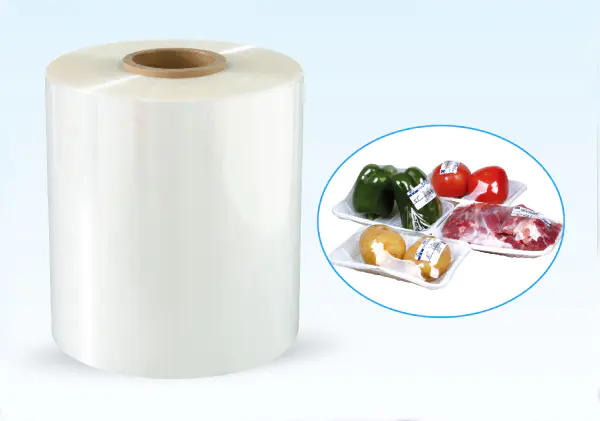
A grocery store wrapping produce trays depends on this same transparency to let shoppers see exactly what they're picking up, without needing to peel back any wrapping first.
The difference between standard polyolefin film and a cross-linked version becomes more noticeable during the shrinking process itself. A film without that structural reinforcement can shrink unevenly, leaving loose spots or wrinkles that weaken the overall wrap. The cross-linked version tends to shrink more evenly across the surface, which keeps the final wrap tighter and more consistent from one package to the next.
This structural difference tends to support:
A packaging line running hundreds of items a day relies on this consistency to avoid slowing down for rewraps or quality checks on every other unit.
Businesses are paying closer attention to how packaging looks and performs, partly because customers form an impression of a product before ever touching it. A dull, poorly wrapped package suggests carelessness, even if the product inside is well made.
| Market Direction | Packaging Focus |
|---|---|
| Product visibility | Clear wrapping that shows the item without unwrapping it |
| Convenience | Packaging processes that don't slow down daily operations |
| Adaptability | Materials that work across different product lines |
| Resource awareness | Using material efficiently without unnecessary excess |
A company selling through online marketplaces feels this pressure directly, since a product photo showing a clean, well-wrapped package tends to build more buyer confidence than one showing loose or wrinkled plastic.
Different industries reach for this kind of film for different reasons, but the underlying need — secure wrapping that doesn't hide the product — stays fairly consistent across all of them.
| Industry Area | Packaging Use |
|---|---|
| Food products | Bundling items together or protecting individual packages |
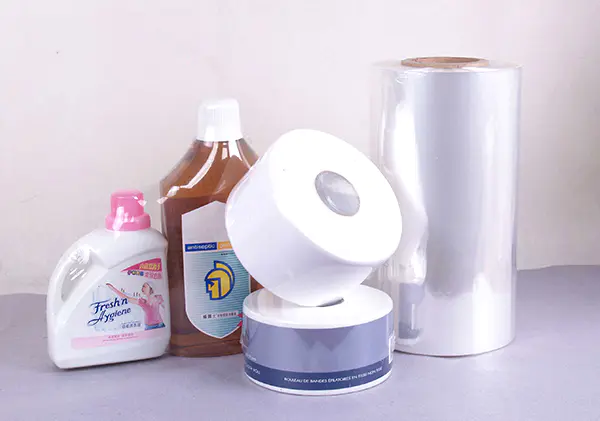
| Consumer goods | Wrapping products for shelf display and shipping |
| Retail items | Creating a clean, presentable look for storefronts |
| Industrial products | Securing parts or components during storage and transport |
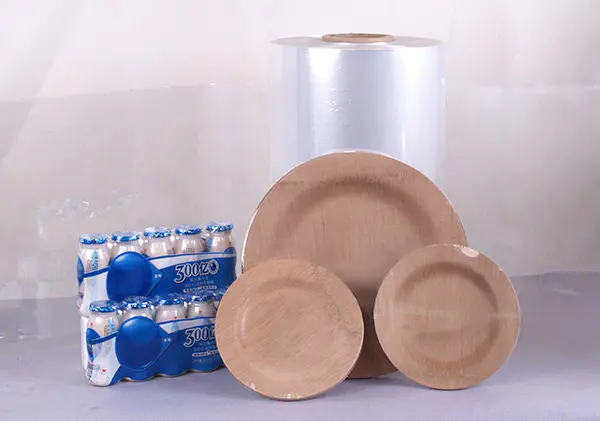
A hardware store bundling small parts into multi-packs and a bakery wrapping trays of baked goods are solving fairly different problems, yet both end up relying on the same basic film properties to get the job done.
A customer forms an opinion about a product often before they've touched it, based entirely on how it's packaged. A clear, tightly wrapped package signals that some care went into how the product was handled, while a loose or cloudy wrap suggests the opposite, fairly or not.
This film helps create that initial impression through:
A retailer restocking shelves regularly notices this difference directly, since a neatly wrapped product tends to need less straightening and looks more consistent across an entire display.
Picking a shrink film isn't just about grabbing whatever's available. Different products call for different levels of flexibility, tightness, and clarity, and the packaging method itself affects which film makes sense.
| Factor | Reason |
|---|---|
| Product shape | Irregular shapes need a film that adapts without tearing |
| Packaging method | Manual wrapping and automated lines call for different film handling |
| Storage conditions | Longer storage periods may call for stronger dust or moisture protection |
| Display requirements | Retail settings often prioritize clarity and neat presentation |
A business shipping fragile glassware needs a different approach than one bundling soft textiles, even if both technically fall under "shrink wrap packaging" on paper.
Packaging decisions increasingly get weighed against how efficiently materials get used, not just how well they protect a product. Businesses are looking for films that do the job without adding unnecessary bulk or waste to the process.
This film contributes to that conversation by offering:
A company trying to streamline its packaging line without overhauling every process benefits from a material that fits into what's already working, rather than requiring a complete redesign.
Packaging needs will keep shifting as industries change what they sell and how they ship it, and film materials will need to keep adjusting alongside that shift. Plastic Packaging Films, including polyolefin-based options and Shrink Film POF, continue adapting to meet these changing expectations rather than staying fixed in one form.
Cross Linked Polyolefin Shrink Film reflects one practical answer to these ongoing demands — a material that holds products securely, keeps them visible, and fits into daily packaging operations without adding complexity. As businesses keep balancing protection, presentation, and efficient material use, this kind of film remains a straightforward option worth understanding rather than overlooking.
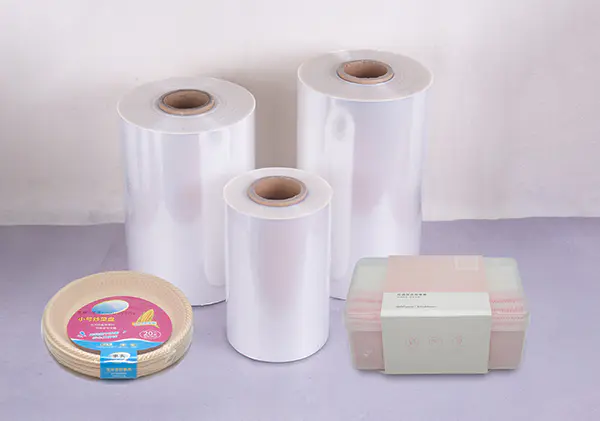
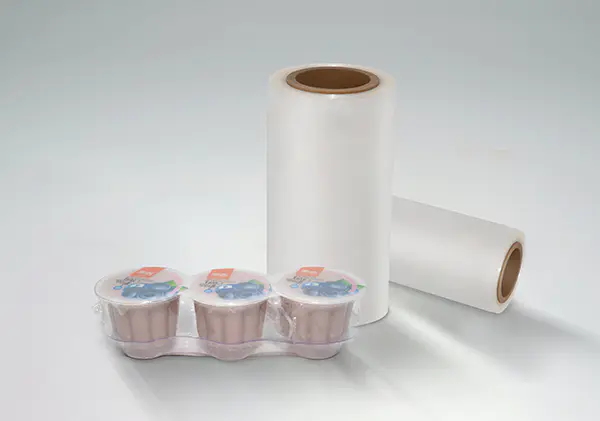
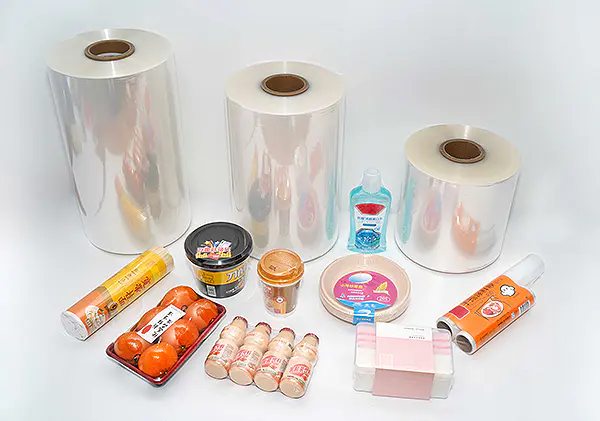
JT05 Antifog Crosslinked Shrink Film is an ideal o...
Copyright © Zhejiang Jiuteng Packaging Co., Ltd.
 简体中文
简体中文
 Home
Home
