
A shrink film can change the way a packaged product looks and feels once heat gets applied, much like a fitted sheet settling snugly onto a mattress after you tuck the corners. Before the process, the film may appear loose and oversized around the product. After heating, it moves toward the package surface and creates a closer fit that changes the whole presentation. How evenly that movement happens can affect the finished package in ways that are pretty easy to notice at a glance.
Shrink uniformity isn't simply about making the film tighter across the board. It's about how consistently the material follows the shape of the product underneath it. A package with an even surface, well-covered corners, and stable film contact usually looks genuinely different from one where some areas remain loose while others pull tightly against the product.
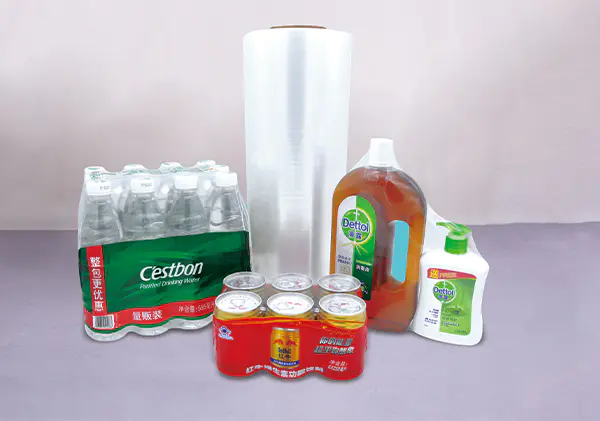
This makes shrink uniformity an important consideration when using Polyolefin Shrink for retail packaging, grouped products, food-related packaging, and other applications where the appearance of the finished package genuinely matters to the customer picking it up.
Shrink uniformity describes how consistently a film changes shape around a packaged product during heating. The film doesn't need to look completely flat or identical on every single package that comes through.
Instead, the movement should suit the product shape and create a reasonably balanced fit across the whole surface. A package may have several surfaces, edges, and corners, and each area gives the film a genuinely different path to follow as it contracts.
When the shrink response stays relatively even, the film can move around these areas without creating large differences in tension or loose sections nearby. Several parts of the finished package can show this effect once everything settles.
| Package Area | What Uniform Shrinkage Can Support |
|---|---|
| Large surfaces | Closer and cleaner film contact |
| Product edges | More consistent coverage |
| Corners | Better adaptation to changes in shape |
| Sealed areas | More orderly finished appearance |
| Irregular sections | More balanced film movement |
The idea is simple on paper, but it carries real practical importance once a package ships. A film that fits the product naturally can make the package a lot easier to handle and present on a shelf.
Packaging fit is one of the clearest ways to understand shrink uniformity in action. When film contracts around a product, the goal isn't merely reducing its size across the board.
The material needs to follow the product without leaving unnecessary loose areas or creating excessive pulling somewhere else on the package. A balanced fit can help the film stay close to the package surface throughout.
This can make the product feel more securely wrapped in hand and can reduce the visual difference between areas that have received different amounts of film movement during the shrink. Consider a rectangular product for a moment.
Its broad front surface may be easy for the film to cover without much trouble, while its side edges and corners require the material to change direction repeatedly. If the shrink response isn't consistent, the broad surface may look neat while the corners remain genuinely loose and unfinished.
This is exactly why shrink performance should get viewed across the entire package, rather than judged from one surface alone sitting face-up on a table.
Corners create a natural test for packaging fit, almost like the seams on a fitted jacket revealing tailoring quality. A flat surface allows the film to move across a relatively simple area without much resistance.
At a corner, though, the material needs to change direction as it follows the product's edge. This can make differences in shrink behavior a lot easier to spot once heat's been applied.
A package with rounded corners may allow a smoother transition for the film to follow. A package with sharper edges can create a genuinely more noticeable change in the film's position as it wraps around.
When the film responds evenly, it can follow these changes with fewer visible disruptions along the way. When the movement is less balanced, corners may show folds, loose sections, or areas where the film doesn't sit closely against the product underneath.
Corner coverage matters for practical reasons just as much as appearance. A package gets viewed from different angles during storage, transportation, retail handling, and actual use by a customer. A loose corner that's hidden from one direction may become genuinely obvious from another angle entirely.
For this reason, corner coverage counts as an important part of evaluating Shrink Film POF performance on any given run.
Packaging often becomes part of how a product actually gets presented to a buyer. A loose section of film can make the package look unfinished right out of the box.
Excess material around an edge may create folds that catch the eye. A poorly fitted corner can make the overall shape appear less consistent with the product sitting underneath it. Uniform shrinkage can help create a genuinely more orderly surface across the whole package.
This doesn't mean every package needs a completely smooth appearance from every angle. Some products have shapes that naturally create folds or changes in film direction no matter how well the process runs. The important point is that the film should respond in a controlled way that matches the package it's covering.
A consistent appearance can also make products a lot easier to arrange together on a shelf or in a case.
| Appearance Factor | Relationship With Shrink Uniformity |
|---|---|
| Surface contact | Influences how closely film follows the product |
| Corner coverage | Affects the visible shape of the package |
| Film folds | Can reflect differences in material movement |
| Edge fit | Helps define the package outline |
| Overall shape | Influences visual consistency across products |
This becomes genuinely useful when several packaged items get displayed together side by side. Similar products with similar packaging can create a lot more orderly visual arrangement for a shopper browsing a shelf.
Product shape has a genuinely strong connection with the way film fits once heating finishes. A simple box may provide broad surfaces and predictable edges that the film can follow easily.
A product with handles, raised sections, narrow areas, or rounded features creates a lot more changes in direction for the film to navigate. The film needs to adapt to these differences as it contracts around the piece.
A package with a raised section, for example, may cause the film to move closer to that area while leaving additional material around the surrounding surface nearby. A product with recessed areas may create a genuinely different fit altogether depending on how deep those recesses run.
This doesn't mean one film should be expected to behave identically around every product that comes through a facility. The packaging application needs consideration as a complete system rather than a single isolated variable.
Polyolefin Films can get used in different packaging situations across many industries, but the final result depends heavily on how the material interacts with the product shape and the heating process together.
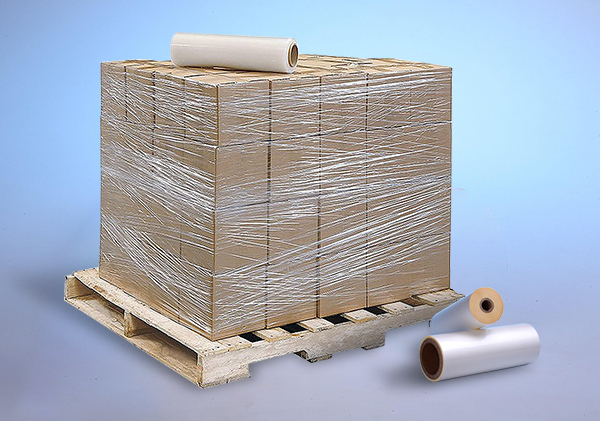
The main purpose of shrink packaging can vary quite a bit from one application to another across different industries. In some cases, the film helps group products together for easier handling on a pallet.
In others, it creates a protective outer layer or helps keep the product presentation orderly on a retail shelf. A suitable fit can support these functions by keeping the film closer to the package throughout its journey.
If one area remains very loose, the film may move more easily during handling and shift out of place. If another area becomes heavily pulled instead, the package may have a genuinely different surface condition once it cools down fully.
Uniform shrinkage helps create a more balanced relationship between the film and the product it's covering. This matters especially for products that get handled frequently throughout a supply chain.
Packages may get picked up, moved between storage locations, placed on shelves, or grouped with other products along the way. The condition of the film can change how the package responds to these everyday movements it experiences.
The film should therefore get considered as part of the complete packaging structure, rather than simply an outer covering slapped on for looks.
Edges connect different package surfaces together, forming the visible outline of the finished piece. A film that fits well across a flat surface still needs to transition around the edges without creating unnecessary loose material bunching up.
This is exactly where shrink uniformity can influence the overall appearance of the finished package. If the film moves evenly across the piece, the edge can maintain a relatively clear shape that reads well from a distance.
If movement differs between nearby sections instead, the edge may show wrinkles or excess film gathered at that spot. The relationship becomes a lot more noticeable on products with several visible sides facing outward.
A package may sit on a shelf with its front facing the customer, but the side and top may still remain visible from certain angles. Consumers can see more than one surface when actually handling the product off the shelf.
Good edge coverage can therefore contribute to a genuinely consistent package appearance from different viewing directions around the piece. This is one reason Plastic Packaging Films need consideration according to the actual product shape, rather than only the film itself in isolation.
The sealed section is another part of the package where film movement can become genuinely visible once everything settles. Before heating, the film may contain an area where different sections actually meet along a seam.
During shrinkage, these sections move as the surrounding material contracts around them. If the movement stays balanced, the sealed area can become part of a more orderly finished surface overall.
If nearby sections shrink differently instead, the seal may appear more prominent or may end up surrounded by folds that draw the eye. The position of the sealed area matters just as much as its treatment.
A seal located across a flat surface may have a genuinely different visual effect from one positioned near a corner instead. The shape of the product influences how much room the film actually has to move around that particular location.
For packaging teams, checking the sealed area together with nearby surfaces can provide a genuinely better understanding of the finished package as a whole.
When a group of products gets packaged using the same process, differences in film fit can become genuinely noticeable once they're lined up together. One package may have a smooth surface while another shows loose material around an edge nearby.
A third may have more visible folds near a corner that stands out. These differences can make a group of products look a lot less consistent when displayed side by side.
Uniform shrinkage helps reduce visual variation by allowing the film to respond in a genuinely more similar way across comparable packages moving through the same line. This proves useful in applications where packaged products get placed together for storage, transport, or display purposes.
Consistency doesn't mean every package must have exactly the same surface pattern down to the last fold. Product shape and film position still matter quite a bit in the final result. The aim is creating a repeatable relationship between the film and the product across a batch.
| Packaging Situation | Value of Consistent Film Fit |
|---|---|
| Grouped products | Creates a more orderly appearance |
| Retail display | Supports consistent presentation |
| Storage | Helps packages maintain a clear shape |
| Transportation | Keeps film closely associated with the product |
| Multi-piece packs | Helps hold the group together visually |
When selecting packaging materials, buyers may encounter the term POF vs PVC Shrink Film floating around in product comparisons. This comparison often comes up when packaging teams are considering how different films behave during wrapping and heating on their specific line.
The decision, though, shouldn't get based on one characteristic alone pulled from a spec sheet. Shrink uniformity is one genuinely useful part of the evaluation worth weighing carefully.
The package shape, equipment setup, desired appearance, handling requirements, and film behavior all need consideration together as a connected system. A material that fits one application naturally may require genuinely different handling in another setting entirely.
The term Cross-Linked Polyolefin Shrink Film may also appear in product discussions around this topic. Its relevance depends on the intended application and the way the film is expected to perform during actual packaging runs.
Instead of treating film selection as a simple material comparison on paper, packaging teams can ask practical questions about the finished package instead. Will the film follow the product shape reliably? Can it provide suitable corner coverage across the piece? Does the surface remain orderly once heating finishes? Does the film fit the product without unnecessary loose sections showing up?
These questions connect material choice with actual packaging results a team can observe firsthand.
The finished package provides genuinely useful information about how the film behaved during the process it just went through. A visual inspection can focus on several areas without requiring complicated testing equipment on hand.
Checking surface fit comes first, verifying whether the film sits reasonably close to the main product surfaces across the piece. Corner coverage deserves a look too, checking for loose material, folds, or uneven contact around each corner.
Edge condition matters as well, observing whether the film follows the package outline in a stable way all the way around. Sealed areas need checking too, confirming whether the sealed section remains orderly once shrinking finishes.
Overall appearance rounds out the inspection, viewing the package from different directions rather than inspecting only one side facing up. These checks can help packaging teams identify differences between the intended package appearance and the actual finished result coming off the line.
They can also reveal whether a particular product shape requires genuinely different film handling going forward.
The value of shrink uniformity becomes a lot clearer when the packaging process gets viewed from the product's own perspective, so to speak. A product isn't simply a shape waiting around to be covered by whatever film happens to be on the line.
Its surfaces, edges, corners, and proportions all influence how film moves around it once heat gets applied. A suitable Polyolefin Shrink application takes these details into account from the planning stage onward.
For a simple package, the film may have broad areas to follow without much complication. For a shaped product, the material may need to move around several changes in direction as it contracts. For grouped products, the film may need to maintain a close relationship with several items all at once.
This makes packaging fit a genuinely practical part of material selection, not an afterthought. The same principle applies across Plastic Packaging Films used throughout the industry. Film choice, package design, wrapping conditions, and finished appearance stay connected rather than separate decisions made in isolation.
Shrinkage doesn't end the moment the package leaves the heating area behind. As the film cools down, its final position around the product becomes a lot easier to actually see and evaluate.
Areas that were still moving during heating settle into their finished condition once temperatures drop. This is exactly when differences in surface fit, corner coverage, and edge contact become particularly noticeable to an inspector or buyer.
A package may look acceptable while the film is still warm and pliable, but show a loose section once it's fully cooled down. Another package may settle into a genuinely closer fit as the film finishes moving around the product during that cooling window.
For this reason, the finished package should get examined after the film has had time to settle properly. The condition of the cooled film provides a genuinely clearer view of how well the material has adapted to the product shape underneath it.
Buyers can look beyond the basic description of a film printed on a spec sheet and consider how it's expected to behave in the intended application. Questions can focus on the relationship between the film and the finished package coming off the line.
Does the film suit the product shape it's meant to cover? Can it follow corners without excessive loose material bunching up? Does it create a stable surface once cooling finishes? Can it maintain suitable contact around edges throughout handling? Is the finished appearance appropriate for the packaging application at hand?
These questions can make material selection a lot more practical for a buyer sitting down with samples. When comparing POF vs PVC Shrink Film, for example, the discussion can move beyond the material names alone and toward actual packaging needs on the floor.
The same approach applies when considering Shrink Film POF, Cross-Linked Polyolefin Shrink Film, and other Polyolefin Films on the market. The relevant choice depends on the product, the packaging process, and the appearance and fit expected once shrinkage finishes.
Shrink uniformity is therefore closely connected with how a package presents its shape after heating wraps up. Surface contact, corner coverage, edge fit, sealed areas, and the final cooled appearance all contribute to the way a shrink-wrapped product gets seen and handled by everyone from the warehouse floor to the customer's hands.
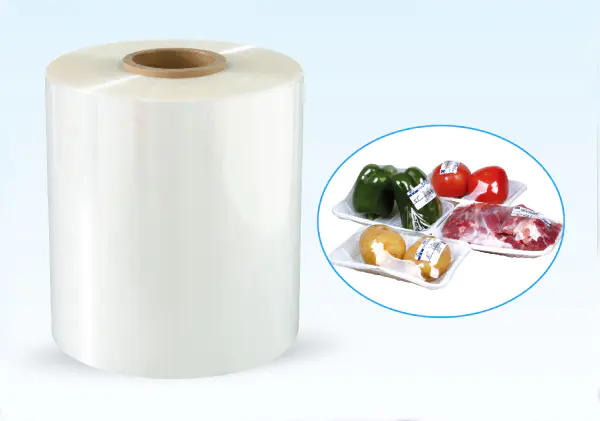
JT05 Antifog Crosslinked Shrink Film is an ideal o...
Copyright © Zhejiang Jiuteng Packaging Co., Ltd.
 简体中文
简体中文
 Home
Home
