
Crosslinked shrink film has earned a solid place in packaging because it simply holds up better when things get rough. Whether it's a tray of fresh meat sliding across a conveyor, a stack of hardware getting jostled in transit, or a multipack of bottles bouncing around on a pallet, this film resists tearing and keeps its strength where ordinary shrink films often give way. The crosslinking step—usually done with controlled radiation after the film is extruded—ties the polymer chains together into a tougher network. That network spreads out stress instead of letting it concentrate in one spot, so small nicks don't turn into long rips, and the film doesn't stretch thin and fail under load.
Tear resistance is really about how much abuse the film can take before a tear starts running. Strength covers a broader picture: tensile pull (how much it can be stretched before breaking), impact absorption (surviving drops or hits), and seal holding power (staying closed even when tension pulls at the edges). Together, these qualities let crosslinked film handle demanding jobs without needing extra layers or heavier gauges in many cases.
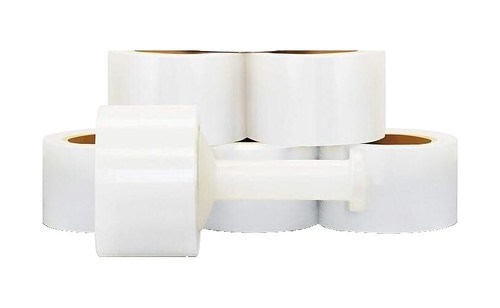
The process itself is straightforward but effective. After the base film—typically polyethylene-based—is blown or cast, it's exposed to electron beam or gamma radiation in a controlled setup. This creates covalent bonds between neighboring chains that weren't linked before. The result is a three-dimensional network rather than loose, sliding strands.
In everyday terms, think of regular film like a bundle of wet spaghetti: pull hard and strands slip apart easily. Crosslinked film is more like cooked spaghetti fused together—much harder to pull individual pieces free without breaking the whole mass. That fusion raises the energy needed to start and grow a tear. It also improves "hot strength" during the shrink stage, so the film doesn't sag or blow out when it's heated and stretched over irregular shapes.
Because the crosslinking happens after orientation (stretching the film to align molecules), the benefits show up evenly in both directions—machine direction (along the roll) and transverse direction (across the width). This balance matters a lot when wrapping odd-shaped items where pull comes from multiple angles.
A number of things determine how tear-resistant a particular crosslinked film ends up being.
First is the base resin blend. Some polyethylene grades crosslink more readily and form denser networks, leading to better tear containment. The amount of crosslinking—controlled by radiation dose—also plays a direct role. Too little, and you don't get much improvement over non-crosslinked film; too much, and the film can become brittle instead of tough.
Thickness still counts, even with crosslinking. A heavier gauge naturally has more material to absorb puncture energy or resist a sharp edge. But one of the real advantages of crosslinking is that you can often drop gauge a bit compared to non-crosslinked film and still maintain or even improve tear performance, which helps keep material costs and shipping weight in check.
How the film is made matters too. Uniform extrusion, consistent orientation, and even radiation exposure prevent weak zones. If crosslinking varies across the web, you might see tears starting in thinner or less-linked areas. Roll handling after production is another quiet factor—leaving rolls in hot trailers or under bright lights for long periods can cause gradual breakdown of the polymer network, so good storage habits preserve the tear resistance the manufacturer built in.
The item being wrapped affects things as well. Smooth rectangles are easy; trays with raised edges, bottles with shoulders, or multipacks with gaps put localized stress on the film. Crosslinked versions tend to redistribute that stress better, so they thin out less at corners and hold their integrity longer.
When people talk about "strong" shrink film, they usually mean several related properties working together.Tensile strength tells you how much steady pull the film can take before it yields or snaps. This becomes important when packages are stacked high or strapped tightly on pallets—the film has to resist constant tension without creeping or splitting.
Impact strength handles sudden events: a box dropped from waist height, a forklift nudge, or vibration on a truck bed. The crosslinked network absorbs and spreads that energy instead of letting it punch through in one spot.
Seal strength is often overlooked but critical. Crosslinked films typically form welds that are less likely to peel back under load, especially in center-fold or overlap configurations. A weak seal turns even the toughest film useless if the package opens during handling.Some films use coextrusion to put crosslinking mostly in the outer layers for surface toughness while keeping inner layers more flexible. That combination gives good tear resistance without making the whole film stiff and hard to shrink.
| Factor | How It Affects Tear Resistance | Common Shop Adjustments |
|---|---|---|
| Crosslinking Level | Higher density contains cracks better | Rely on supplier specs |
| Gauge / Thickness | More material cushions punctures | Balance with shrink needs |
| Roll Storage | Heat/light can weaken bonds | Cool, dark, FIFO rotation |
| Item Geometry | Sharp edges concentrate stress | Test wraps with real products |
When tear resistance and strength line up well, the benefits show up quickly in daily work.Damaged packages drop noticeably—fewer claims, less rework, happier customers. Line operators can run at reasonable speeds without constant stops to fix film breaks or rewrap loose bundles.
Because the film holds together better, you often need less overlap or fewer wraps to achieve secure bundling, which trims material usage over time. Retail-ready packs look cleaner too: no big tears or stretched-thin spots that make the product look sloppy on the shelf.
In heavier-duty applications—think cases of tools, automotive parts, or stacked trays—the film's ability to stay intact prevents shifting that could damage contents or destabilize the load. Logistics teams appreciate that when pallets make multiple handoffs.
On the sustainability side, the durability means packages survive longer trips with less need for secondary protection like edge boards or extra strapping. Many crosslinked formulations accept post-consumer recycle content without big drops in performance, which helps meet packaging reduction goals without sacrificing protection.
No film is perfect, and crosslinked types have their own quirks.
Over-tensioning on the wrapper can thin the film unevenly, creating tear-prone zones. Dialing back tension or adding better former geometry often fixes this.Products with oily or waxy residues sometimes cause poor cling or slip, leading to extra stress during shrink. A quick wipe-down or choosing a film grade formulated for better surface compatibility usually resolves it.
Long storage or exposure to UV can slowly degrade the crosslinked bonds. Keeping rolls covered, cool, and rotated keeps the film performing like new.Machine issues—dull knives leaving nicks, misaligned seal bars, or belts with buildup—can start tears that even strong film can't ignore. Simple preventive maintenance catches most of these early.
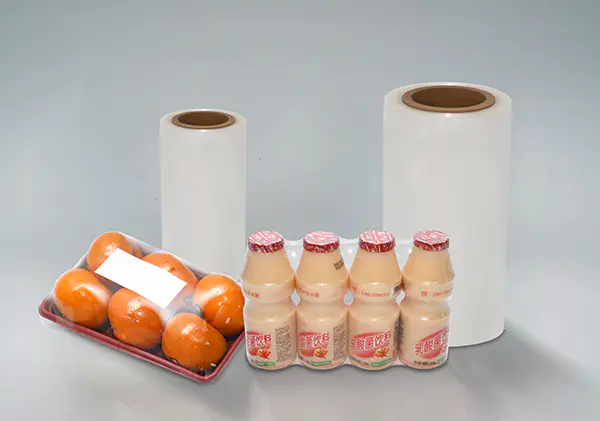
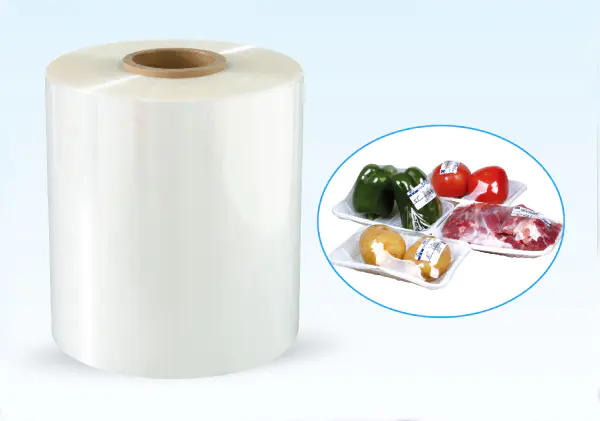
Food packaging leans on it heavily: fresh protein trays, cheese blocks, bakery items, and frozen pizzas all get a tight, protective wrap that stands up to cold-chain handling and retail display.Consumer products—electronics in clamshells, toys in window boxes, personal-care multipacks—rely on the tear resistance to keep everything looking new through distribution.
Industrial bundling covers a lot of ground: metal fittings, plumbing supplies, lumber edges, and heavy tool sets wrapped for warehouse movement or job-site delivery.Pharma and medical supply chains use it for tamper-evident secondary packaging on bottles, kits, and diagnostic trays, where integrity through the supply chain is non-negotiable.Even agriculture sees it on seed bags, fertilizer multipacks, and nursery trays that sit outdoors or in humid storage before sale.
Good habits extend the life of both film and equipment.
Regular cleaning of tunnels, belts, and seal jaws prevents residue scratches that become tear starters.Incoming rolls should be inspected for shipping damage—small creases or edge nicks can grow under stress.
Staff training on proper unwind tension, former setup, and heat profiles reduces operator-induced issues.Running occasional test wraps and checking tear propagation by hand or with simple drop tests gives real feedback on whether settings or film lots need tweaking.Listening to downstream complaints—warehouse teams, retailers, end customers—helps spot patterns and guide future film choices.
| Strength Aspect | Main Benefit | Typical Use Case |
|---|---|---|
| Tensile | Resists steady pull / stacking | Palletized loads, tall stacks |
| Impact | Handles drops and knocks | Shipping, warehouse movement |
| Seal | Keeps package closed under tension | Tamper-evident, multipack bundling |
Crosslinked shrink film keeps proving its value wherever protection really matters. Its combination of tear resistance and balanced strength lets operations run smoother, cut waste, and deliver products that arrive looking the way they left the line.
For shops that want crosslinked shrink film they can count on run after run, JTPackage runs a focused factory dedicated to producing durable, high-performance shrink films. They pay close attention to consistent crosslinking and material quality so the film holds up under real handling conditions without surprises.
JTPackage offers grades tailored to different applications, helping lines achieve reliable tear resistance and strength without constant adjustments. If your packaging needs materials that stay tough through the entire supply chain, getting in touch with JTPackage can make a practical difference in everyday results.
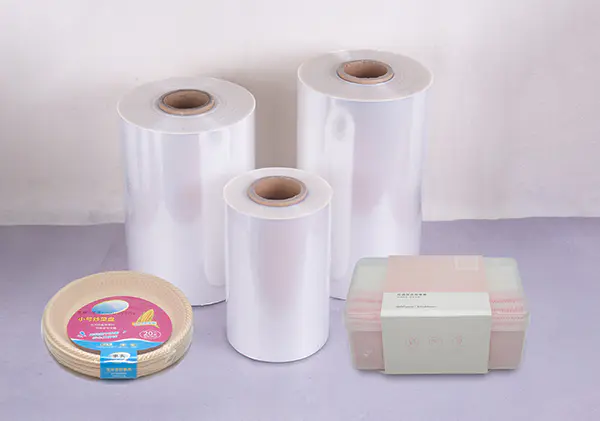
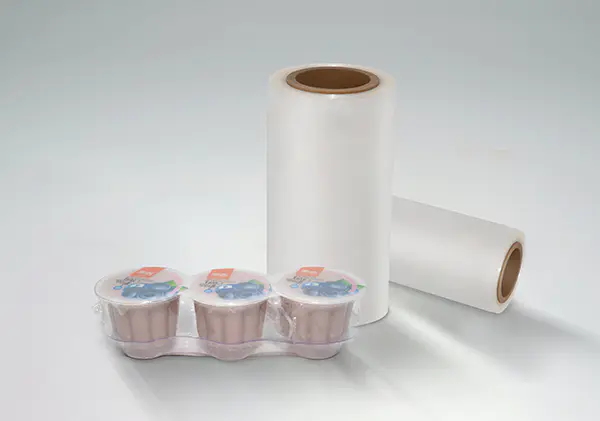
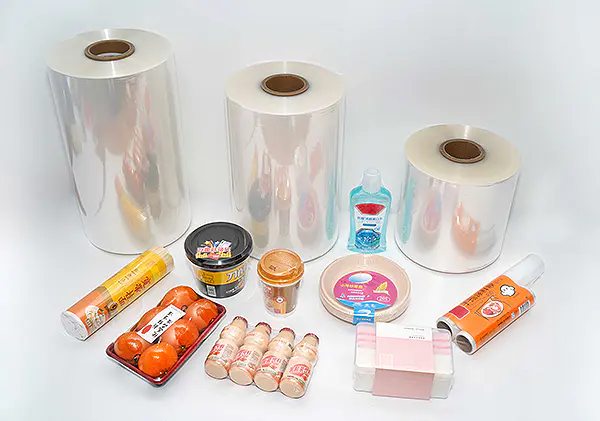
JT05 Antifog Crosslinked Shrink Film is an ideal o...
Copyright © Zhejiang Jiuteng Packaging Co., Ltd.
 简体中文
简体中文
 Home
Home
