
Retail packaging has turned into part of the shopping experience itself rather than just a protective layer wrapped around a product.
When someone picks up a product from a shelf, its appearance often catches their attention before they read the label. Clarity, neatness, product visibility, and the way the packaging fits around the item all contribute to the initial impression.
That's driven more interest in packaging materials that combine practical protection with a clean, put-together look. Polyolefin shrink film is one of the materials people keep bringing up in this conversation.
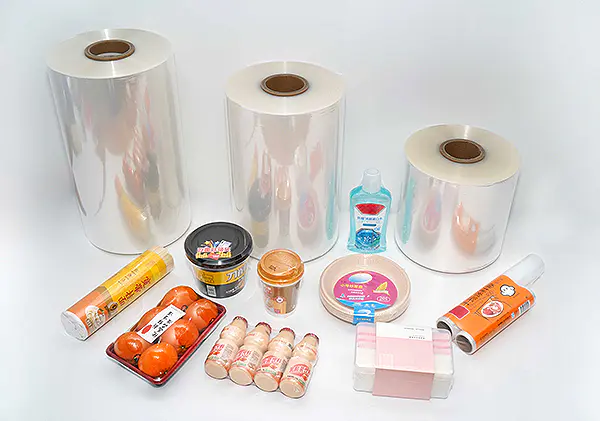
Its ability to form tightly around different product shapes makes it useful for retail packs where appearance matters just as much as handling and protection do.
The growing conversation around this material also points to a bigger shift happening in packaging design generally. Retailers and packaging companies are looking at how film can support product visibility, keep a shelf looking organized, and give customers a more consistent experience — without turning the package into something overengineered.
Retail products come in every shape imaginable. Some have smooth, simple surfaces, while others have corners, curves, handles, or several pieces grouped together.
Packaging film needs to follow whatever shape it's wrapping without leaving the finished pack looking loose or thrown together.
Polyolefin shrink film responds to heat during packaging and forms around the product as it tightens. That close fit gives the package a visually organized look that a loose wrap just can't match.
| Retail Requirement | Packaging Consideration |
|---|---|
| Product visibility | Clear film can keep the item visible |
| Neat appearance | Close wrapping can create a tidy package |
| Product grouping | Film can hold related items together |
| Shelf handling | Wrapped products can be easier to organize |
| Surface protection | Film provides an outer layer around the product |
The value here isn't only about looks, though. A package built well also keeps products together through storage, shipping, and the ordinary back-and-forth of retail handling. That matters a lot when several small items get sold together as one set.
The film gives a simple outer layer without burying the product under a bulky structure it doesn't need.
Product visibility has become a real part of retail packaging strategy, not an afterthought.
Shoppers often want to see what they're actually buying instead of trusting a printed description alone. Transparent packaging keeps the product itself part of the presentation instead of hiding it behind a box.
That's useful for household products, food-related goods, promotional bundles, and other retail items where a quick visual check helps someone decide to buy.
| Display Feature | Potential Retail Value |
|---|---|
| Clear surface | Keeps the product visible |
| Smooth appearance | Supports a tidy shelf presentation |
| Minimal visual obstruction | Allows product features to remain noticeable |
| Consistent wrapping | Creates an organized product appearance |
Clear film also works fine alongside printed labels, inserts, and other packaging elements — it doesn't have to be the main visual feature on its own. It can just provide protection while letting the product's own design stay visible underneath.
That's a different approach from packaging that leans heavily on opaque materials to carry the whole presentation. For retailers, that balance between protection and visibility matters especially when shelf presentation plays into how a product gets picked over the one sitting next to it.
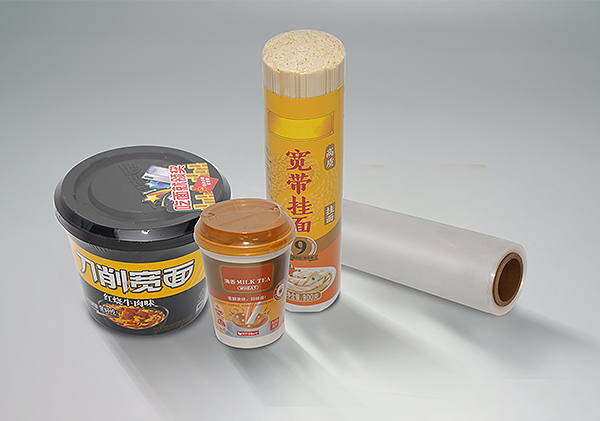
Shrink Film POF comes up a lot in conversations about retail wrapping because it adapts to so many different product formats.
The shrink process pulls the film tight around the package instead of leaving it hanging loosely off the edges. That creates a more compact, put-together look.
A tightly fitted package also tends to be easier for retailers to arrange in displays, since it holds its shape and doesn't shift around on the shelf.
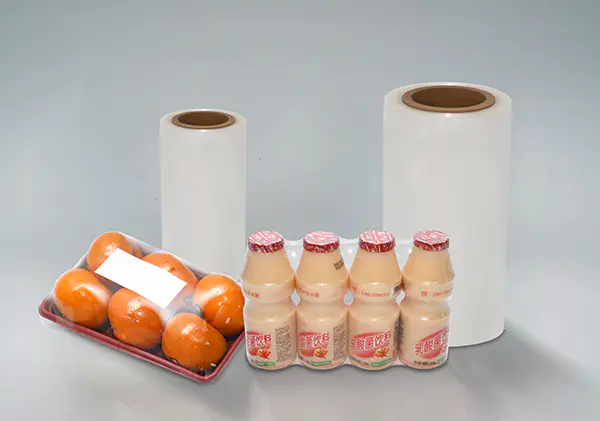
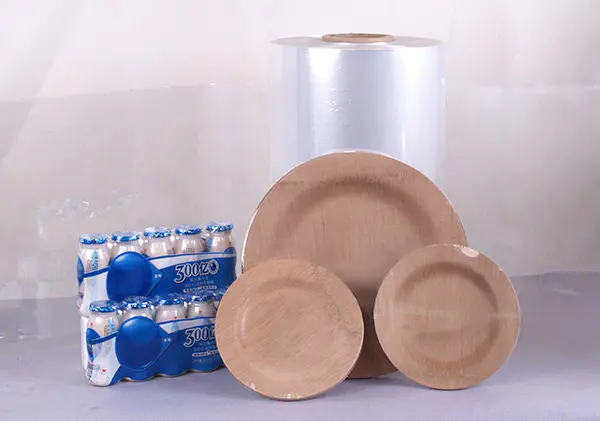
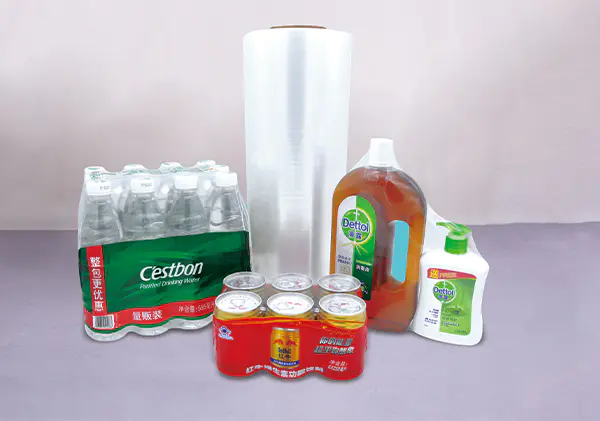
This material works for individual products as well as grouped packages, depending on how the packaging gets designed. Several related items, for instance, can get placed together and wrapped as one retail unit, with the film holding the arrangement together while letting shoppers see exactly what's inside.
That can cut down on the need for extra outer packaging in some applications.
The right choice still comes down to the product, the packaging process, how it gets handled, and what the presentation actually needs to do. Shrink film should get picked based on the specific retail job at hand rather than treated as something that works everywhere by default.
Packaging is often the initial physical part of a product that a customer handles during the buying experience.
A package that looks organized helps a product stand out and make sense on a crowded shelf. A loose or uneven outer layer creates a different impression entirely, even if nothing about the product itself has changed.
Shrink packaging keeps the film close to the item it's wrapping, which makes the whole package read as more unified.
| Packaging Appearance | Possible Customer Impression |
|---|---|
| Clear wrapping | Easy product inspection |
| Close-fitting film | Organized presentation |
| Clean surface | Simple visual experience |
| Visible contents | More direct product recognition |
| Grouped products | Clear package composition |
Appearance and function aren't really separate concerns here. Retail packaging needs to survive ordinary handling while still looking the way it's supposed to. People pick things up, turn them around, compare one product against another, and put things back on the shelf all the time.
A packaging material that handles both visibility and that kind of everyday handling contributes to a smoother shopping experience overall. That's part of why packaging decisions increasingly involve design teams working alongside production teams rather than production making the call alone.
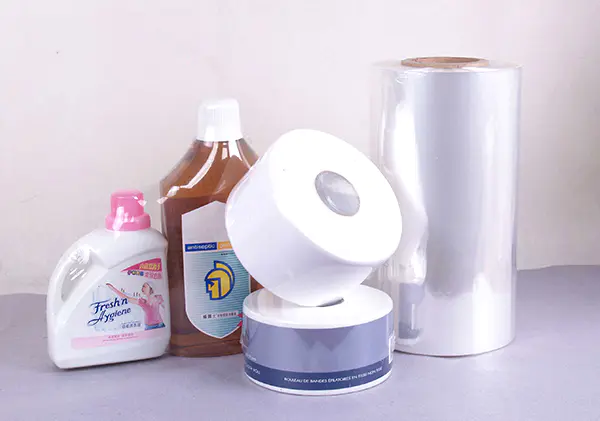
Retailers sell plenty of products as combinations rather than single items. A promotional pack might include several related products, or a household item might come bundled with accessories or supporting parts.
Keeping all those pieces together simplifies storage and display quite a bit.
Shrink film gives that group a transparent outer layer, keeping the contents visible while holding the arrangement in place. That's useful whenever the package needs to communicate that several items belong together as one purchase.
| Product Arrangement | Possible Film Application |
|---|---|
| Single item | Individual protective wrapping |
| Product with accessory | Keeps components together |
| Multi-item set | Creates a unified retail pack |
| Promotional combination | Supports grouped presentation |
| Small retail products | Helps organize loose items |
Grouping also affects how a store organizes its shelves. A set that holds together is easier for staff to place and easier for shoppers to recognize as a complete package rather than loose pieces.
The film itself doesn't decide the retail strategy — it just gives another option for holding the relationship between the products together. That makes material choice tied closely to how a product is actually meant to be sold.
Food-related packaging demands real attention to the specific application and whatever food-contact requirements apply to it.
Food Packaging Films get designed for different jobs, and material choice depends on the food product itself, the packaging structure, processing conditions, and applicable regulations.
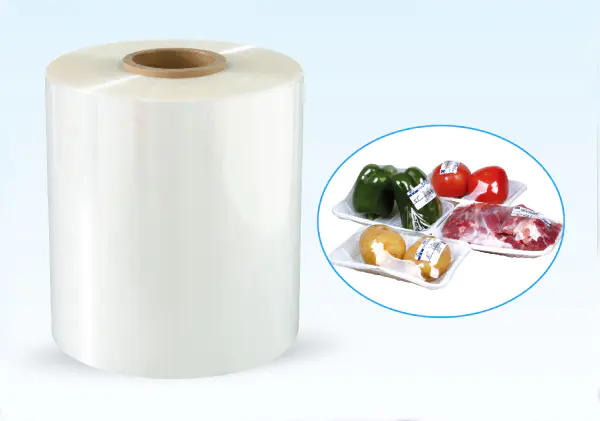
Polyolefin-based shrink materials can work for certain food-related retail applications where the design calls for a clear outer film. The film keeps the product visible while adding a protective layer around whatever's packaged inside.
That's useful for products sold as grouped units, or for packages where the contents need to stay clearly visible to the shopper.
| Food Retail Consideration | Packaging Focus |
|---|---|
| Product visibility | Allow consumers to inspect contents |
| Group packaging | Keep related items together |
| Handling | Support normal retail movement |
| Surface protection | Provide an outer packaging layer |
| Compliance | Match the requirements of the intended use |
Material suitability always needs to get checked against the specific food packaging application it's going into. Not every film is right for direct food contact.
The packaging structure, intended use, and relevant regulations need review before a material gets locked in. That distinction matters because food packaging carries requirements that differ from general retail packaging in ways that aren't always obvious upfront.
Plastic Packaging Films cover a wide range of materials and uses — wrapping, product grouping, labeling support, surface protection, and other packaging jobs all fall under this umbrella.
Retail businesses pick different films depending on product shape, display requirements, storage conditions, and whatever packaging equipment they're already using.
Shrink film is one piece of that wider category. Its value comes from combining a flexible film format with a wrapping process that produces a tight, close-fitting package. That makes it a good fit for products where a rigid box isn't really necessary.
| Retail Need | Film-Based Approach |
|---|---|
| Product display | Transparent wrapping |
| Compact presentation | Close-fitting shrink wrap |
| Product grouping | Outer film layer |
| Shelf organization | Consistent package shape |
| Handling support | Protective wrapping |
The broader push toward film packaging also ties into changing expectations around convenience generally. Packaging teams look for materials that work with product formats already in use while still supporting an appealing presentation.
The material is only part of that equation, though. Packaging equipment, how the product is arranged, labeling, storage, and retail handling all have to work together for any of it to actually pay off.
Choosing a film should start with the product, not with the material's name on a spec sheet.
Shape, surface, contents, the intended retail environment, and the packaging process all affect whether shrink film is actually the right fit. Desired appearance matters too — a product that leans heavily on visibility calls for a different approach than one relying on printed graphics or an opaque outer package.
A few practical questions help guide that decision during development.
Transparency helps when shoppers want to inspect the contents before buying.
The wrapping process should produce an orderly package without fighting the product's actual form.
For grouped products, the film needs to support the arrangement it's meant to hold.
Retail staff and shoppers move packages around plenty of times before anyone actually buys them.
Whatever film gets chosen needs to match the product, the packaging process, and any applicable requirements around it.
These questions tie material selection back to real retail conditions instead of picking a film purely for a particular visual effect. Its practical role within the whole packaging system matters just as much as how it looks.
The growing attention around polyolefin shrink reflects this broader way of thinking about packaging — as a combination of protection, presentation, product visibility, grouping, handling, and how a shopper actually interacts with the product on the shelf.
For packaging manufacturers and retailers, the real task is finding a film structure that fits those needs while keeping the finished package clear, organized, and suited to whatever job it's actually meant to do.
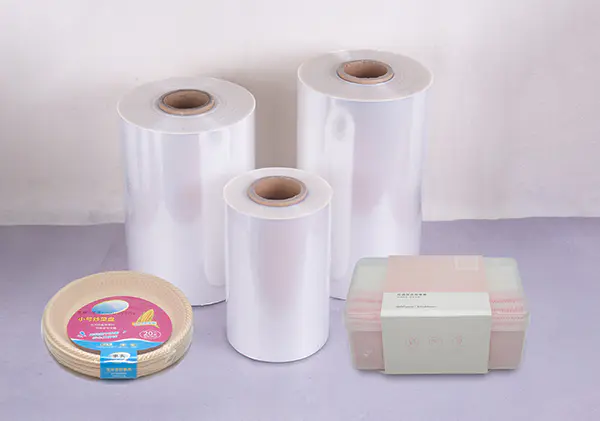
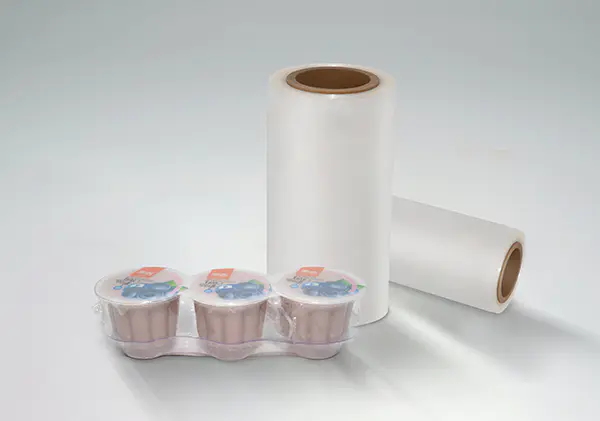
JT05 Antifog Crosslinked Shrink Film is an ideal o...
Copyright © Zhejiang Jiuteng Packaging Co., Ltd.
 简体中文
简体中文
 Home
Home
