
POF shrink film continues to be widely used because it delivers clear, tight wraps that make products look professional while offering solid protection. The film pulls snugly around items once heat is applied, creating a tamper-evident barrier that guards against dust, moisture, and minor impacts during transit. Even though the material usually behaves predictably, small mismatches in setup, handling, or conditions can quickly turn a smooth run into a frustrating one. Operators deal with these setbacks regularly, and most stem from familiar patterns rather than mysterious failures. Spotting the early signs and making small, targeted adjustments often brings everything back on track without major downtime or scrap.
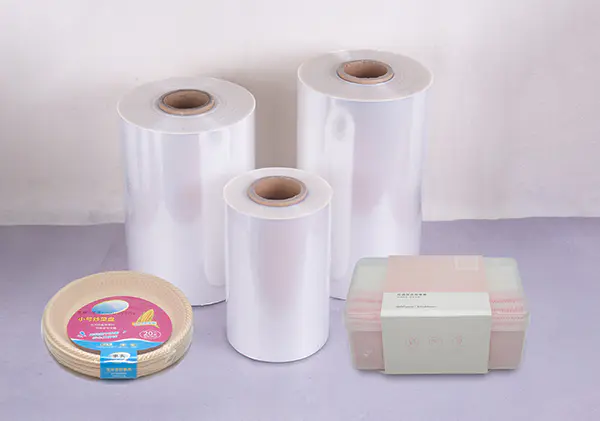
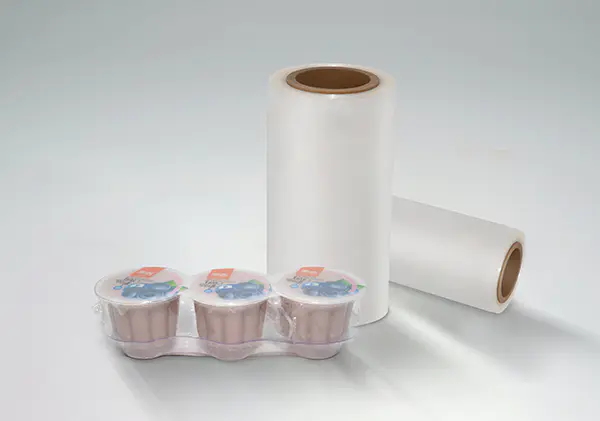
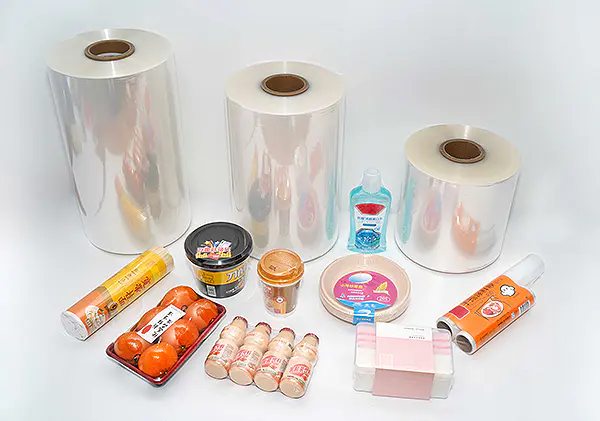
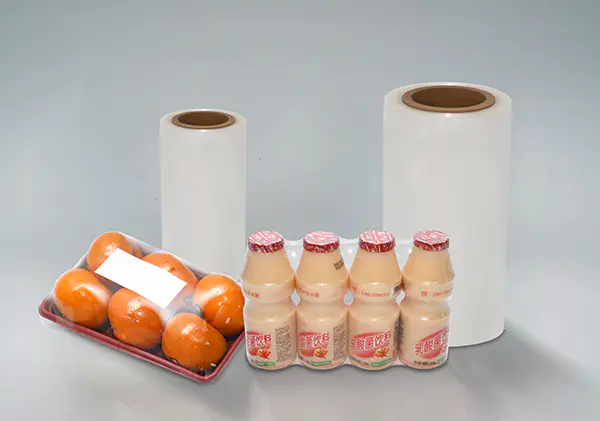
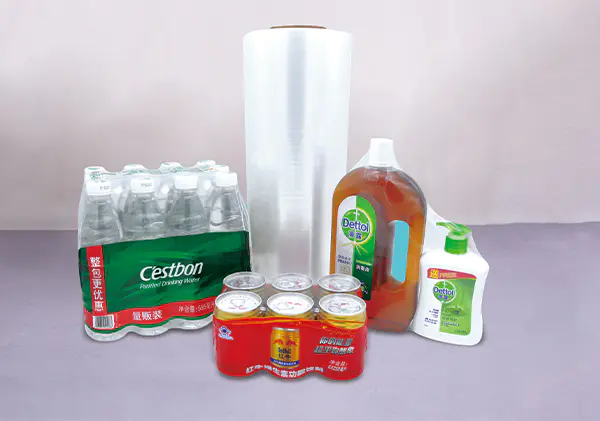
POF shrink film serves as a versatile packaging material widely used in various industries for protecting and presenting products. This type of film shrinks tightly around items when exposed to heat, creating a secure wrap that enhances shelf appeal while safeguarding contents from dust, moisture, and tampering. Businesses rely on POF shrink film for its clarity and strength, making it suitable for wrapping everything from food items to consumer goods. Many packaging lines depend on it because it combines practical protection with an attractive appearance that draws attention on shelves or in displays.
POF shrink film comes from polyolefin-based polymers, mainly a careful blend of polyethylene and polypropylene. These two materials mix together to create a thin, pliable sheet that naturally shrinks when heated. The blend gives the film its characteristic balance of toughness and flexibility, so it can handle stretching during wrapping without splitting or weakening.
Most versions use multiple layers—typically three or five—stacked during production. Each layer handles a specific job. The outer layers often focus on clarity and gloss, while inner ones add strength or help with sealing. Some formulations include small amounts of additives to improve slip, reduce static, or enhance resistance to punctures. Single-layer options still exist for basic tasks where extra complexity isn't needed, but multi-layer designs dominate because they deliver better overall performance.
The polyolefin foundation keeps the film lightweight yet durable. It stretches easily during application and then holds its shape once cooled. Transparency stays high, letting customers see the product clearly without any haze or distortion. The material doesn't turn brittle in cooler storage areas or get overly soft in warmer spots, which makes it practical for different climates and warehouses. During manufacturing, the raw polymers get melted down, extruded into a flat sheet, and then stretched in controlled ways. That stretching step locks in the film's ability to shrink back when heat hits it later. The whole process creates a material that's predictable and forgiving in real-world use.
The core of how POF shrink film functions lies in its heat-triggered contraction. Right after extrusion, the film goes through biaxial orientation—stretched both lengthwise and crosswise under precise conditions. That stretching builds up internal tension inside the molecular structure, almost like winding a spring. The tension stays locked in place until heat arrives, then releases in a controlled way, pulling the film back toward its original unstretched size.
In everyday packaging, the process starts simple. The film gets draped loosely around the product, usually from a roll fed through a machine or by hand for smaller runs. The edges overlap, and a sealer—either heated bars or an impulse type—joins them together, forming a sealed sleeve or full enclosure. At this stage, the wrap sits loose, with some air still inside.
Next comes the heat step. The package moves into a heat tunnel on a conveyor, where warm air circulates around it evenly. Some operations use handheld heat guns for spot work or smaller batches. Once the film reaches the right temperature range, the built-in tension releases. The material tightens, squeezing out trapped air and molding itself closely to every curve and corner of the product. That contraction happens quickly but smoothly when everything is set up correctly, leaving a clean, snug finish without folds or loose spots.
Several things affect how well the shrinkage turns out. The way the film was oriented during production plays a big role—if the stretch is balanced, contraction happens evenly across the surface. Uneven orientation can lead to pulling more in one direction than another. Heat application matters too. Too little heat leaves the film slack; too much can cause excessive wrinkling or even damage in thin spots. The shape of the product influences the result—flat items shrink cleanly, while irregular ones need careful wrapping to avoid stress points.
After the heat phase, the package cools quickly, locking the film into its shrunken state. The result is a transparent, form-fitting wrap that holds everything securely. Any attempt to open or tamper with the package becomes obvious because the film distorts or tears. Compared to films that aren't oriented, POF uses less material to get the same tight fit, which keeps costs down and reduces waste. The clarity doesn't fade during shrinking, so labels, colors, and branding stay sharp and visible.
What really stands out in day-to-day use is how forgiving the material feels once you get the hang of it. A lot of operators notice that after a few runs, the film starts behaving almost predictably—same tension, same heat, same result. If the tunnel air flow is even and the product sits centered, the wrap comes out looking sharp without much fiddling. On jobs with odd-shaped boxes or trays, you learn to leave a little extra slack on purpose so the film has room to pull in without fighting itself. Small things like that make a noticeable difference over a full shift.
The way the film tightens also helps in practical ways beyond just looks. It pushes out most of the air naturally, which cuts down on moisture trapped inside—handy for anything perishable. The snug fit keeps multipacks from shifting around in transit, so fewer items arrive with dents or broken seals. And because the material stays clear even after the heat hits it, you don't lose that shelf-ready appearance that matters so much at retail.
Packages that come out with tight spots next to loose flaps or wrinkled corners usually point to uneven heat application. Blocked vents, uneven airflow patterns inside the tunnel, or a conveyor moving too fast in some zones can create hot and cold spots. Products with sharp angles or varying thickness make the issue more noticeable because heat reaches different surfaces unevenly. Film that sat in a cold warehouse overnight or near a heat source before loading can also shrink differently across the roll.
Fixing this often starts with walking around the tunnel and feeling for consistent air temperature at multiple points. Adjusting baffles or redirecting airflow helps spread heat more evenly. Slowing the belt a bit gives the film extra seconds to settle uniformly. For difficult shapes, operators sometimes add tiny vent holes in strategic places or use slightly oversized film to give more material room to conform. Running short test batches after each tweak lets you see the effect immediately. Over time these small changes turn uneven results into consistently smooth wraps that look factory-fresh.
Tears show up often along edges, at corners, or where the film has to stretch over protrusions. Overly tight unwind tension pulls the web too hard before it even reaches the sealing station. Sharp box corners, metal clips, or rough product surfaces act like tiny knives. If the tunnel runs too hot, the film becomes brittle right when it needs to be flexible.
Matching film thickness and puncture resistance to the product type makes a noticeable difference. Easing unwind tension with better dancer arm control reduces stress on the web. Adding temporary cardboard shields or foam tape over sharp areas spreads force more evenly. Dropping tunnel temperature by a few degrees can keep the material from weakening prematurely. Keeping blades sharp and rollers free of burrs prevents accidental nicks during feeding. Operators who adopt these habits see far fewer breaks and spend less time clearing jams or re-wrapping rejected packages.
Seals that pop open during shrinking or later in the warehouse usually trace back to dirty sealing bars, low bar temperature, or very short contact time. Grease from hands, paper dust, or leftover film residue prevents clean fusion. Inconsistent pressure along the length of the bar creates weak spots even when the rest looks good.
Daily wiping of the sealing surfaces with isopropyl alcohol or a recommended cleaner removes hidden buildup fast. Checking that both bars heat evenly and hold temperature steadily improves melt quality. Giving the jaws an extra fraction of a second of dwell time strengthens the bond without slowing the whole line dramatically. Running an ionizer bar upstream cuts static that pulls in airborne particles. Cutting open a few finished packages and pulling on the seals by hand gives quick feedback on whether adjustments worked. Strong, reliable seals become routine once these cleaning and timing habits are locked in.
Layers that cling together on the roll or stick to machine parts cause constant feeding headaches. Warm, humid storage conditions soften the surface just enough for blocking to start. Static charge makes sheets jump onto rollers or guides, especially after the film passes over plastic idlers. Packages that are still warm when stacked can fuse together later.
Keeping storage areas cooler and drier than the production floor helps a lot. Many film suppliers now include anti-block additives as standard, which reduces the tendency for layers to grab each other. Adding grounding wires to the unwind stand and metal machine frames bleeds off static quickly. A very light mist of food-grade release spray on rollers can break the cling without affecting clarity or print. Letting packages cool completely on a ventilated conveyor before palletizing prevents heat-induced sticking. Once these routines are in place, the film flows more smoothly from roll to finished package.
Cloudy or milky film after shrinking hides the product and makes the package look cheap. Cooling the film too quickly right after the tunnel causes micro-crystallization that scatters light. Using film formulated for a different heat range than your tunnel setup often leads to the same result. Scratches from dirty rollers or rough handling before shrinking add to the haze.
Extending the cooling section or adding ambient air blowers for gradual temperature drop preserves optical quality. Double-checking that the film grade matches the equipment's typical operating range avoids mismatch problems. Cleaning every roller and guide weekly eliminates tiny abrasions that dull the surface. Using lint-free gloves during roll changes prevents fingerprint oils from transferring. Checking clarity on the first few packages of each shift catches haze early so corrections happen before large quantities are affected. Clear, glossy results stay consistent with these straightforward controls.
Bubbles trapped under the film look unprofessional and sometimes weaken the wrap in those spots. If the film seals the edges before all air has a chance to escape, pockets get locked in. Very high wrap tension can squeeze air inward instead of pushing it out. Products with recessed areas trap air naturally unless venting is added.
Punching small, controlled perforations in non-visible areas lets air vent during shrinking without creating weak points. Dialing back wrap tension slightly gives air more escape routes. Running a soft brush or air knife right after initial wrapping forces most pockets toward the edges. In manual wrapping stations, operators learn to press gently from the center outward to push air away. Testing different perforation patterns on scrap runs finds what right works for specific products. Packages come out smooth and tight once air management becomes part of the standard procedure.
Rolls that jerk, slow down, or suddenly speed up during feeding interrupt everything downstream. Loose cores slip inside the chuck, uneven winding from the supplier creates tension spikes, and rolls dented in transit behave unpredictably. Excessive brake tension on the unwind stand makes already irregular rolls worse.
Using mechanical or pneumatic core chucks that grip tightly eliminates slippage. Adding a simple tension-sensing dancer roll smooths out speed variations automatically. Checking every incoming pallet for damaged rolls and setting questionable ones aside prevents surprises mid-run. Storing rolls standing upright on flat racks avoids oval shapes that affect unwind quality. Training new operators to load rolls with the splice tape positioned correctly reduces alignment errors. Steady, predictable unwinding becomes the norm after these basic safeguards are routine.
| Problem | Main Causes | Practical Solutions |
|---|---|---|
| Uneven Shrinkage | Uneven heat, irregular shapes | Balance tunnel zones, test conveyor speed |
| Film Tearing | Sharp edges, high tension | Use padding, reduce tension, select stronger grade |
| Poor Sealing | Contamination, low temperature | Clean bars, adjust dwell time, remove static |
| Film Sticking | Humidity, static charge | Control storage conditions, ground equipment |
| Haze After Shrinking | Rapid cooling, film mismatch | Extend cooling zone, match film to heat profile |
| Trapped Air Bubbles | Poor venting, tight wrap | Add perforations, moderate tension, smooth manually |
| Inconsistent Unwinding | Core slip, damaged rolls | Secure chucks, install tension control, inspect rolls |
Most of these problems share the same root: small drifts in settings, overlooked maintenance, or environmental changes that accumulate over shifts. Operators who check temperature gauges, clean sealing surfaces, and inspect rolls at the start of each run catch issues before they turn into full stops. Keeping a short log of what adjustments worked on tough days builds a personal troubleshooting guide over time. Simple habits like that turn frustrating runs into predictable ones and keep material waste low. When the film and equipment work together without constant fighting, the whole packaging line feels smoother and more efficient.
For consistent POF shrink film that reduces many of these everyday headaches, JTPackage supplies material built for reliable day-to-day performance. The factory focuses on uniform thickness, stable shrinkage, and clean handling characteristics so operators spend less time adjusting and more time producing. JTPackage maintains tight process controls to deliver film that behaves predictably across a wide range of machines and products.
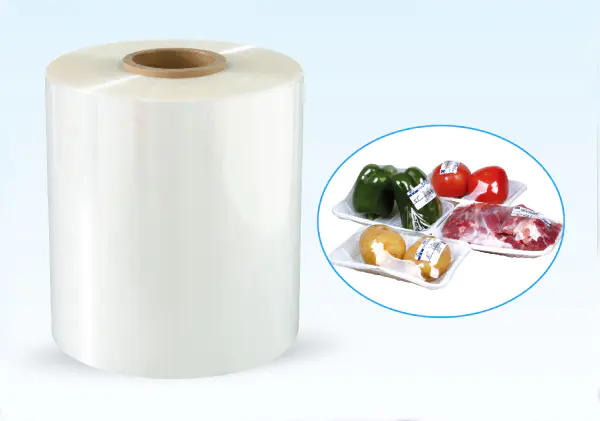
JT05 Antifog Crosslinked Shrink Film is an ideal o...
Copyright © Zhejiang Jiuteng Packaging Co., Ltd.
 简体中文
简体中文
 Home
Home
