
A warehouse supervisor told us his team lost three pressure washers to corrosion because the shrink wrap cracked within a month of being stored outside. The film looked fine when applied. Standard polyolefin shrink wrap, however, was never designed for continuous sun exposure and wind abrasion.
If you need to store lawn mowers, generators, or construction equipment outdoors, the best shrink wrap for outdoor equipment storage is a crosslinked polyolefin film with an adequate gauge, or a heavier PE shrink film for bulk applications. Crosslinked POF delivers puncture resistance, UV endurance, and seal integrity that open-air storage demands. PE film, in thick enough gauges, provides comparable protection at a lower cost per square meter.
Outdoor storage subjects film to four stress factors that indoor packaging never encounters:
Sunlight breaks down polymer chains in standard POF film. After repeated exposure, the film becomes brittle and micro-cracks form. Those cracks spread under wind load and eventually tear the whole wrap.
Metal corners, handles, and blades create stress points. A wrap that lacks crosslinking has no molecular reinforcement to prevent a tear from traveling across the panel. Wind-blown debris makes this worse.
Day-night temperature cycles cause moisture to condense inside the wrap. Without desiccant packets or proper venting, that moisture leads to rust and mold on the equipment.
Heat-sealed seams soften or fail as UV exposure degrades the film. Once a seam opens, the protective enclosure is gone. The equipment keeps a broken wrap attached, making inspection harder.
For a deeper look at how different film types handle harsh conditions, read our article on durability in extreme weather conditions.
The material choice matters more than any other decision. Here is how the four main shrink film types compare for outdoor equipment protection.
| Material | UV Resistance | Puncture Strength | Seal Integrity | Relative Cost |
|---|---|---|---|---|
| Standard POF | Moderate | Moderate | Good | Medium |
| Crosslinked POF | Good | High | Excellent | Higher |
| High-performance POF | High | Very high | Excellent | Highest |
| PE Shrink Film | Good | High | Good | Lower |
Crosslinked POF uses irradiation or chemical crosslinking to form a three-dimensional polymer network. This structure resists UV breakdown and crack propagation far better than the linear chains in standard POF film.
PE shrink film is a sensible budget option for short-term seasonal storage or very large wrapping tasks. It provides good puncture resistance but has lower clarity and less elastic recovery than crosslinked POF. For equipment that only needs dust protection for a month or two, PE is worth considering.
Gauge determines how long the film can protect equipment before it fails. Film thickness is measured in microns, while mil represents one thousandth of an inch, roughly equal to 25.4 microns. The table below shows recommended gauge ranges based on storage duration.
| Storage Duration | Crosslinked POF | PE Shrink Film | Typical Use Case |
|---|---|---|---|
| Up to 3 months | 60-80 micron | 80-100 micron | Seasonal dust and light weather |
| 3 to 6 months | 80-100 micron | 120-150 micron | Winter equipment storage |
| 6 to 12 months | 100-120 micron | 150-200 micron | Full weather cycle exposure |
| 12+ months | 120+ micron | 200+ micron | Harsh or coastal climates |
For equipment with sharp edges or irregular shapes, a crosslinked shrink film is the right choice. Its molecular structure resists tearing at stress points that would split a standard film.
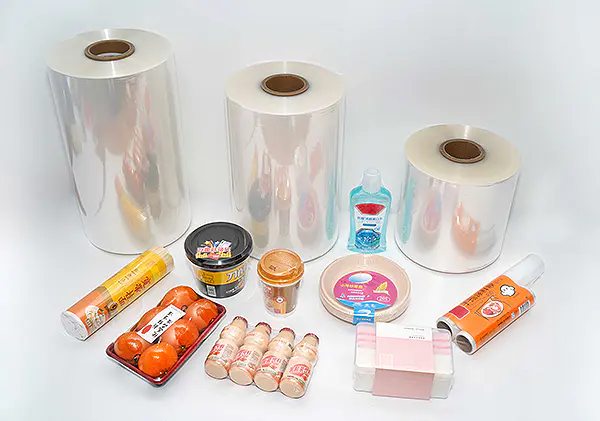 Crosslinked Shrink Film for Sharp-Edged EquipmentThis crosslinked film resists tearing at stress points, making it suitable for irregular shapes and sharp edges. It offers excellent durability and heat resistance for heavy-duty items.View Product →
Gauge selection involves a trade-off. A thicker film means more protection but heavier rolls and slower application. If your team wraps dozens of units daily, choose the thinnest film that meets the storage requirement to maintain throughput.
Three film types from Zhejiang Jiuteng Packaging cover most outdoor equipment storage scenarios. The right one depends on your climate, storage duration, and equipment type.
Crosslinked POF is the primary recommendation for outdoor equipment that needs protection for three to twelve months. It handles punctures better than standard POF and maintains integrity under UV exposure. For general outdoor equipment storage, this is the balanced choice.
If your equipment has sharp protrusions or sits in a coastal environment with salt air and high UV, a high-performance shrink film provides extra toughness. This grade is engineered for industrial packaging lines where film must survive aggressive handling and long storage periods without failing.
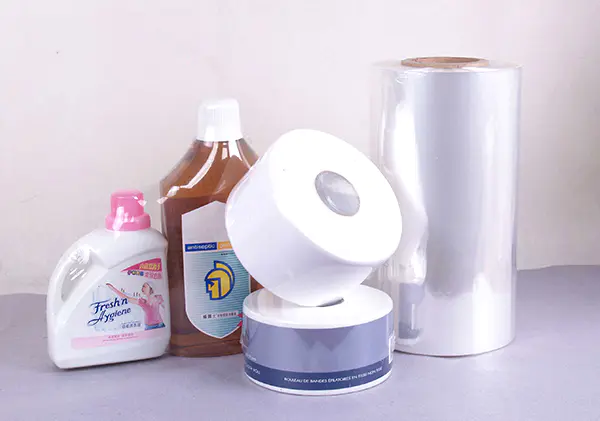 High Performance Shrink Film JT06 for Harsh ConditionsJT06 features low shrink temperature, quick shrinkage, and strong seal strength. It performs well under aggressive handling and long storage, ideal for coastal or high-UV environments.View Product →
When budget is the primary constraint and equipment is not subject to sharp edges, PE shrink film is the practical choice. It offers high puncture strength at a lower cost per volume. PE film works well for large pallets of packaged goods that need temporary outdoor protection.
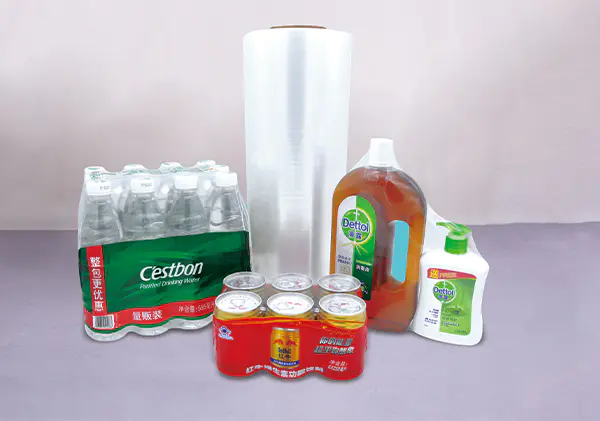 PE Shrink Film for Budget-Conscious PackagingWhen budget is key and equipment lacks sharp edges, PE film provides high puncture strength at lower cost. It suits large pallets needing temporary outdoor protection.View Product →
Even the best film will fail if applied incorrectly. Follow these steps to maximize protection:
Remove all dirt, oil, and moisture before wrapping. Any trapped moisture will create condensation inside the enclosure and cause rust.
Place silica gel packs inside the wrapped space, especially for equipment with electronic components. This absorbs residual moisture and reduces corrosion risk.
Do not seal the enclosure completely. Small venting holes allow humid air to escape during temperature fluctuations and prevent internal pressure from peeling seams open.
Cover sharp corners and protruding edges with UV-stable tape before applying film. This prevents the most common puncture points from developing.
Keep wrapped equipment off the ground and out of standing water. Direct concrete contact can cause moisture wicking and reduce wrap lifespan.
For more guidance on wrapping large, heavy items, review this guide on heavy industrial packaging.
Standard POF offers short-term dust protection for up to a month or two. For longer durations, use crosslinked POF or PE shrink film. Standard POF will degrade under continuous UV exposure.
For 6 to 12 months of outdoor storage, choose 100 to 120 micron (4 to 4.8 mil) crosslinked POF or 150 to 200 micron (6 to 8 mil) PE film. For shorter winter storage, 80 to 100 micron POF is usually sufficient.
Yes, when applied correctly with proper sealing and venting. The film acts as a water barrier, but condensation must be managed with desiccant packets to prevent trapped moisture from rusting equipment.
In moderate climates, a properly applied crosslinked POF wrap can last 6 to 12 months. In harsh coastal or high-UV areas, upgrade to high-performance film and inspect the wrap periodically.
Both polyolefin and polyethylene shrink films are recyclable. Check local recycling guidelines. Films used in outdoor storage should be cleaned of dirt before being sent to a polymer recovery facility.
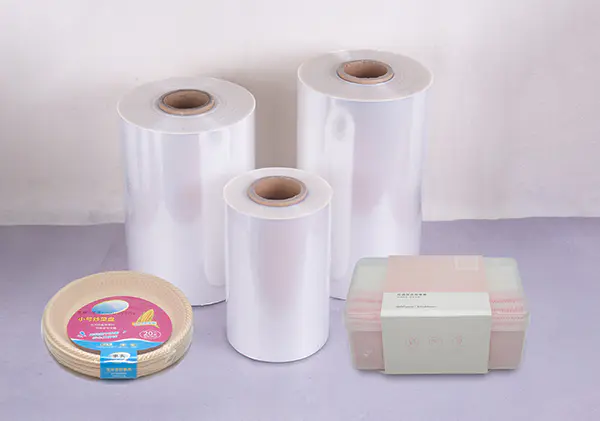
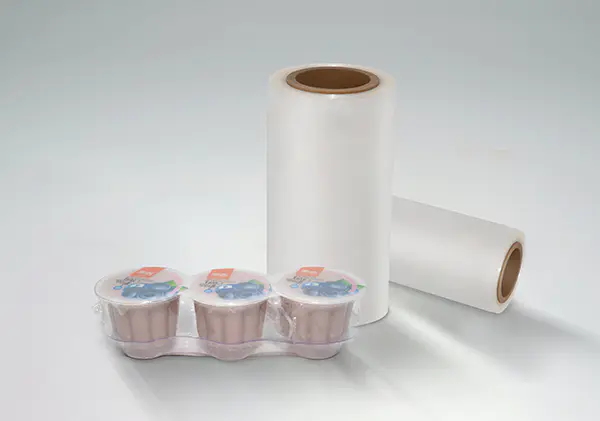

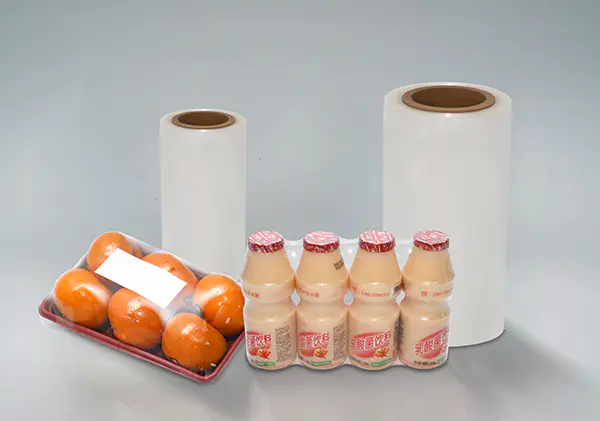
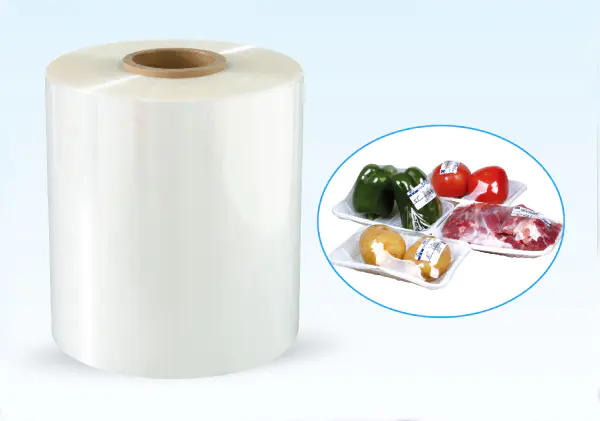
JT05 Antifog Crosslinked Shrink Film is an ideal o...


Copyright © Zhejiang Jiuteng Packaging Co., Ltd.
 简体中文
简体中文
 Home
Home
