
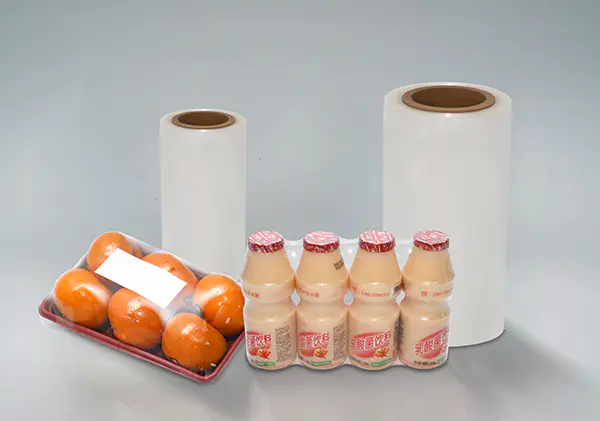
Polyolefin shrink film—commonly called POF shrink film—has become one of the go-to materials in modern packaging. It wraps everything from fresh produce and bakery goods to electronics, candles, stationery, and multipacks of beverages. The reason so many operations rely on it comes down to a few practical strengths: the film becomes crystal clear after shrinking, it clings tightly without too many wrinkles, and it holds up reasonably well against punctures and tears during handling and transport. When the film pairs properly with the right shrink machine, the end result looks professional, stays secure, and uses material efficiently.
Getting that good match between film and machine isn't automatic, though. Different machines apply heat and control airflow in their own ways, and POF film reacts differently depending on thickness, fold style, and even workshop temperature.
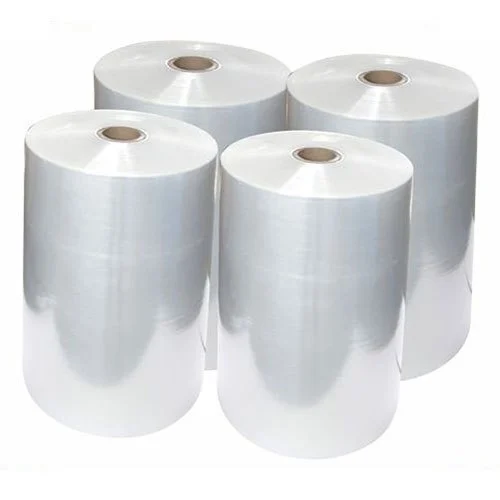
POF film starts as a blend of polyolefin resins, usually layered in three to five plies during manufacturing. The multi-layer construction lets manufacturers balance shrinkage so the film contracts fairly evenly in both the machine direction and the transverse direction. That even pull helps eliminate dog-ears at corners and reduces unsightly pulls or webbing around irregular shapes.
One of the biggest draws is clarity. After shrinking, POF lets customers see labels, colors, and product details without much haze or distortion. The material also handles direct food contact in many formulations because it avoids certain plasticizers and additives found in older PVC films. On top of that, used POF film can enter recycling streams in regions that accept polyolefin plastics, which matters more every year as companies face pressure to improve sustainability numbers.
Heat response separates POF from some competitors. It begins shrinking noticeably around a moderate temperature range and reaches full contraction fairly quickly once that threshold is crossed. Too much heat too fast, however, can cause excessive thinning in spots, cloudiness, or even small holes. Too little heat leaves the package loose with visible folds. Machines that let operators dial in temperature, dwell time, and airflow therefore make a big difference in final appearance and package strength.
Most facilities choose from three broad categories: chamber-style shrink tunnels, L-bar sealers with separate or attached tunnels, and automatic continuous-motion lines.
Chamber machines close a hood or door around the product, creating a more uniform heat envelope. Because the heat surrounds the package from all sides at roughly the same time, POF film tends to shrink symmetrically with fewer adjustments. These machines suit lower-to-medium volumes and odd-shaped items that need careful handling.
L-bar sealers (manual, semi-automatic, or automatic) make an L-shaped seal first, then send the package into a tunnel. They give operators flexibility when dealing with random sizes or short runs. POF works well here as long as the tunnel has decent airflow control; otherwise, the film can pull unevenly near the seal area.
Continuous-motion systems—often called side-seal or lap-seal machines—run at much higher speeds. They form a tube of film around products on a conveyor, seal the longitudinal overlap, cut between items, and pass everything through a long tunnel. POF needs to shrink rapidly and consistently in these setups to avoid slack film or conveyor jams. Good machines in this class usually have multiple temperature zones so operators can ramp heat gradually and then hold it steady for full contraction.
Beyond the basic type, details like the type of heating elements (quartz, infrared panels, or recirculating air), conveyor belt material, and exhaust design all influence how POF behaves. Machines with variable-speed fans let you fine-tune how aggressively hot air moves across the package, which helps control gloss level and eliminate trapped air pockets.
A handful of variables show up again and again when compatibility issues appear.
Film gauge matters a lot. Lighter films (around 45–60 gauge) shrink faster and need less aggressive heat, but they tear more easily if tension or airflow is off. Heavier gauges (75–100 gauge and up) demand more heat energy and longer dwell, yet they forgive minor setup mistakes better and provide extra puncture resistance.
Fold style changes feeding behavior. Center-folded rolls feed smoothly on most L-bar and chamber equipment. Single-wound or lay-flat rolls often require different unwind stands or film folders to avoid twists before the sealing area.
Workshop conditions play a bigger part than many people expect. Cold ambient air slows heat transfer, so the same tunnel setting that works in summer might leave packages under-shrunk in winter. High humidity sometimes makes static worse, causing the film to cling to rollers or guides. Keeping the area reasonably stable helps keep results predictable.
Product geometry influences everything else. Square boxes are straightforward. Tall, narrow bottles or trays with sharp edges can create stress points where the film thins excessively unless airflow is directed carefully. Testing small batches on the actual machine with the intended product remains one of the best ways to spot problems before a full run.
When the film and machine suit each other, several benefits stack up quickly.
Packages end up with a smooth, high-gloss appearance that makes retail shelves look sharper. The tight wrap resists tampering and keeps dust or moisture away from contents. Because POF shrinks without releasing much odor and leaves no residue on most machine parts, cleanup stays manageable.
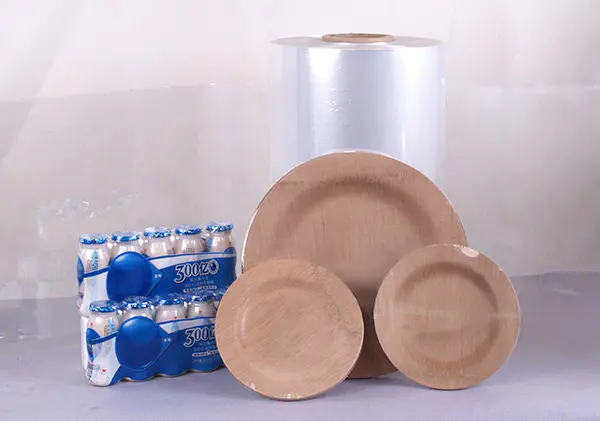
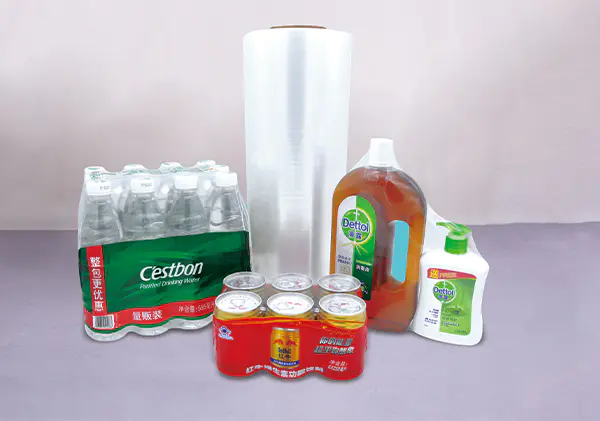
On the production side, well-tuned setups cut down on rework. Fewer rejects mean less wasted film and fewer interruptions. Energy use drops when heat settings stay in the sweet spot instead of running hotter to compensate for poor shrinkage. For operations bundling multiple units—think six-packs of cans or stacked trays—POF holds everything firmly without tape or extra banding, which simplifies the line.
Food producers particularly value the material's ability to maintain a decent moisture and oxygen barrier around perishables, helping extend shelf life without resorting to heavier trays or modified atmosphere packaging in some cases.
Even with a good reputation, POF isn't trouble-free.
Film sticking to the tunnel belt or side guides happens when heat builds unevenly or when residue accumulates. Regular cleaning of Teflon coverings and slight increases in airflow usually solve it.
Static can pull film off-center or cause it to flutter wildly. Grounding straps on rollers, ionized air blowers, or anti-static additives in the film itself bring things under control in most plants.
Seals that look weak or peel back often trace to dirty sealing wires, incorrect pressure, or film that's too thick for the machine's dwell time. A quick wipe-down and small pressure tweak frequently fix the issue.
Operators who switch between different gauges or product sizes sometimes forget to readjust settings. Keeping a simple checklist near each machine cuts down on trial-and-error time.
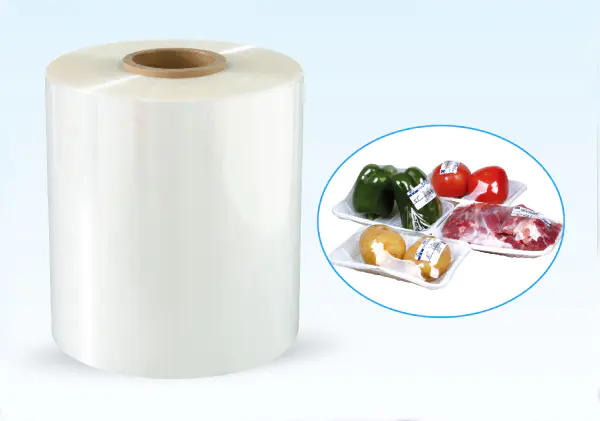
Food remains the biggest user—fresh meats, poultry, cheese blocks, trays of berries, frozen pizzas, and bakery items all benefit from the hygienic, tight wrap. Retail displays rely on the clarity for boxed toys, board games, software, personal care kits, and seasonal candles.
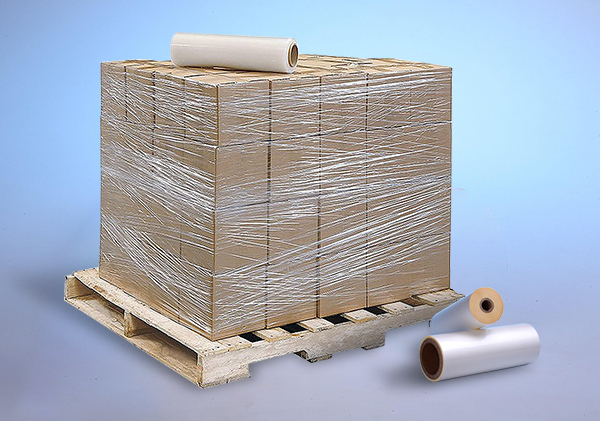
In pharmaceuticals and nutraceuticals, POF creates visible tamper evidence around bottle multipacks or promotional bundles. Industrial users secure hardware kits, automotive parts, and printed materials. Even logistics operations use heavier POF gauges to unitize pallet layers or odd-shaped shipments before stretch wrapping.
| Variable | Effect on POF Performance | Practical Adjustment |
|---|---|---|
| Gauge / Thickness | Thinner = quicker shrink, more fragile | Match heat & speed to thickness |
| Workshop Temperature | Colder slows shrink start | Allow longer preheat or warmer air |
| Airflow in Tunnel | Stronger flow reduces trapped air pockets | Adjust fan speed or vents |
Routine care makes a noticeable difference.
Wipe heating elements and reflectors to remove film smoke residue that reduces efficiency. Check belt condition and tracking so film feeds straight. Lubricate chains and bearings according to the manual to prevent vibration that disturbs shrinkage.
Store film rolls standing upright in a cool, dry space away from direct sunlight or heat sources. Rolls that absorb moisture or get too warm can behave unpredictably when they hit the machine.
Every few months, run test packages with known good film and note settings. Small drifts in performance become obvious before they turn into major downtime.
| Machine Style | Main Strengths for POF | Best Suited For |
|---|---|---|
| Chamber | Even heat on all sides, forgiving on shape | Smaller runs, irregular products |
| L-Bar + Tunnel | Handles random sizes, quick changeover | Retail, custom, medium volume |
| Continuous / Auto | Fast throughput, consistent long runs | High-volume lines, uniform items |
Getting polyolefin shrink film to perform consistently comes down to paying attention to the details—film characteristics, machine capabilities, and everyday operating conditions. When those pieces line up, you end up with attractive, durable packages that move through the line smoothly and reach customers looking their best.
For companies looking for steady, well-behaved POF shrink film that integrates smoothly with different machines, JTPackage operates as a focused factory producing polyolefin films suited to real-world packaging demands. They emphasize consistent quality across gauges and formulations so converters and end users experience fewer surprises during runs.
JTPackage keeps customization in mind, offering rolls tailored to specific equipment types and product needs while maintaining reliable lead times and support. If your operation depends on clean, tight shrinks day after day, reaching out to JTPackage can provide practical options that help keep packaging lines moving efficiently.
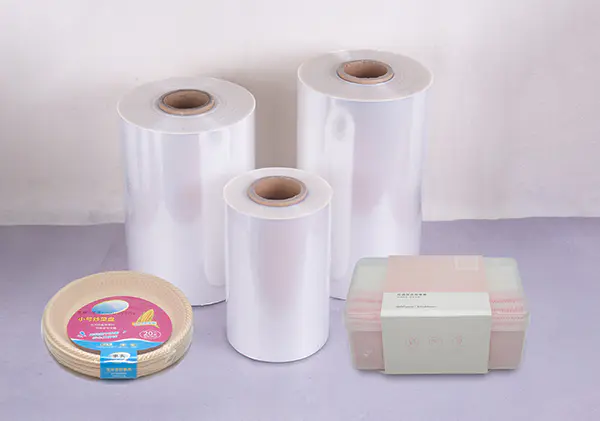
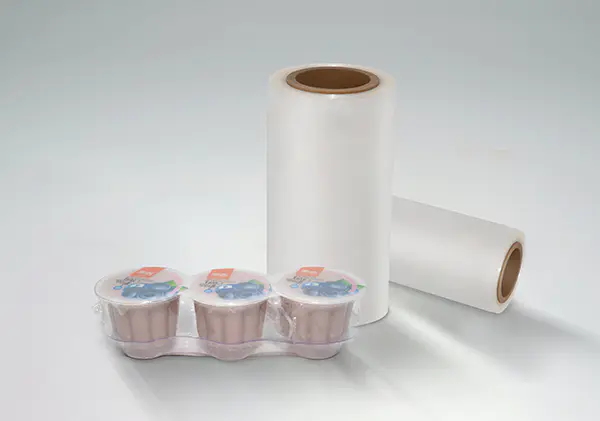
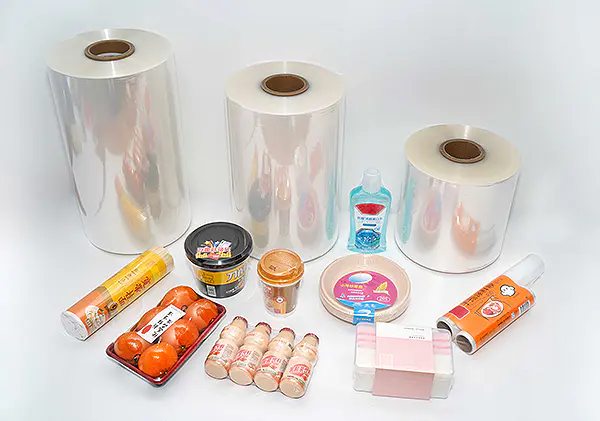
JT05 Antifog Crosslinked Shrink Film is an ideal o...
Copyright © Zhejiang Jiuteng Packaging Co., Ltd.
 简体中文
简体中文
 Home
Home
