
The most common packaging complaint is not a torn film. It is a film that looks tight on the roll but produces wrinkled sides, cloudy windows, or burnt spots after it passes through the heat tunnel. When that happens, the usual cause is a mismatch between the plastic heat shrink film and the product, not a problem with the packaging line itself.
Plastic heat shrink film is a family of polymer films that shrink around a product when heated. Polyolefin (POF), polyethylene (PE), and crosslinked films behave differently in terms of clarity, strength, and heat response. The smart buying approach is to define the shrinking conditions, mechanical demands, and food-contact requirements first, then choose the film that fits all three.
Plastic heat shrink film is produced by extruding polymer into a flat or tubular sheet, stretching it in both directions while warm, and then cooling it rapidly. The stretched molecular structure is locked in place. When the film later enters a heat tunnel or passes a heat gun, the temperature releases that tension and the film contracts around the item inside.
The practical result is a smooth, transparent layer that follows the contours of the product. This wrap prevents dust and moisture from reaching the surface, keeps lids and small parts in position, and adds tamper evidence for retail products.
Two numbers define film behavior. The first is shrink ratio, commonly expressed in machine and transverse directions, for example 60/50. The second is the shrink temperature range, for example 120°C to 160°C. Both numbers must be compatible with the tunnel settings on your line and with the heat sensitivity of the product.
Plastic heat shrink film is not a single material. The polymer, the degree of orientation, and the additives determine how it shrinks, how strong it stays, and whether it is safe for food.
Four film families cover most packaging operations. Each type has a clear role, and the best choice depends on the product weight, the presentation standard, and the available sealing and shrinking equipment.
POF is the workhorse of retail and food packaging. It combines high transparency, good gloss, strong seals, and a relatively low shrink temperature. POF works well for boxes, bottles, food trays, CDs, and printed packaging. It also tends to behave predictably in L-sealers and automatic shrink packaging machines, which keeps line adjustments short.
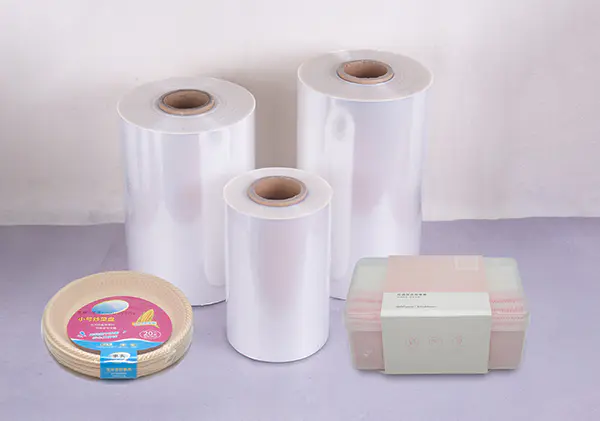 Jiuteng Biaxially Stretched POF Shrink Film for Retail PackagingThis polyolefin film offers high clarity and reliable shrink for boxes, bottles, and trays. Its crosslinked structure adds strength and puncture resistance while keeping the smooth look expected on retail shelves.View Product →
Crosslinked film is a polyolefin with additional bonds created between polymer chains. The structure improves tensile strength and puncture resistance without giving up the clarity buyers expect from POF. It is a common recommendation for beverage multipacks, hardware kits, and other products with corners or edges that can stress a thin film.
Polyethylene shrink film is tougher and more forgiving for large and heavy items. Its clarity is lower than POF, and its shrink tension is gentle, so it suits high-profile products such as trays, furniture parts, and industrial components that a rigid film might crush.
PVC film is still seen in low-cost markets and in certain sleeves, but it has lost ground for good reasons. PVC is stiff, difficult to store, less transparent, and releases corrosive gases when sealed. Most producers now specify POF or PE for new packaging lines.
| Property | POF | Crosslinked POF | PE | PVC |
|---|---|---|---|---|
| Clarity | High | High | Medium | Medium |
| Puncture resistance | Good | Very good | High | Low |
| Shrink temperature | Low | Low | Medium to high | High |
| Food contact | Commonly approved | Commonly approved | Often approved | Rarely preferred |
| Typical use | Retail, food, printed packs | Multipacks, heavy goods | Bulk and industrial | Low-cost sleeves |
Selecting film only by price creates expensive downtime. Work through these factors and the right type becomes obvious.
Match the film to the tunnel and to the product’s heat tolerance.
15 microns for light items; 19–25 microns for bundling; heavier gauges for PE industrial loads.
Weak seals cause the film to pop open after shrinking. Check seal bar cleanliness and film slip.
Retail presentation demands high gloss; printed film needs surface treatment for ink adhesion.
A high shrink ratio is useful for irregular shapes, but the film also has to shrink evenly. An uneven film produces dog-ears, thin corners, and holes. For this reason, stable manufacturing from consistent raw materials matters more than a single number on a datasheet.
An automatic line running many packs per minute needs a film with stable friction and smooth feeding. Films designed for hot slip performance reduce the adhesion that can occur between film layers as they leave the shrink tunnel. If your line runs fast, ask the manufacturer how the film behaves at line speed.
If this is your first purchase, see this guide on how to choose shrink film packaging before finalizing a specification.
Application context decides the specification. A film that works for a cardboard box may not protect a soft baked good or a metal component with sharp edges.
Chocolate, pastry, cheese, and prepared meals cannot tolerate long exposure to high temperature. A low-temperature shrink film is designed to reach full contraction at lower tunnel settings, reducing the thermal load while still producing a tight cover. This also shortens cooling time on the line and helps maintain automatic production speeds.
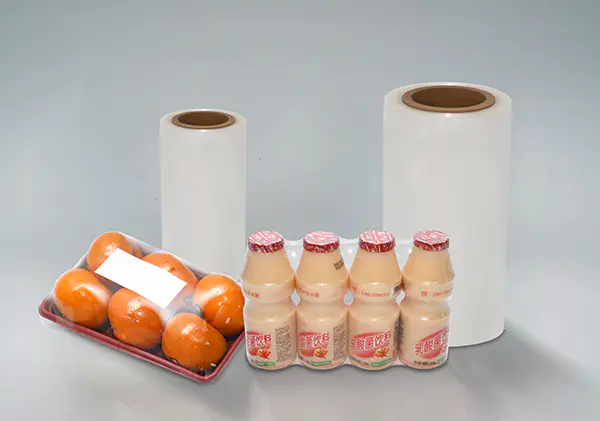 Low-Temperature Shrink Film JT04 for Heat-Sensitive ProductsDesigned for chocolate, cheese, and prepared meals, this film shrinks fully at lower tunnel settings to avoid melting labels or deforming containers, while maintaining tight fit and protective toughness.View Product →
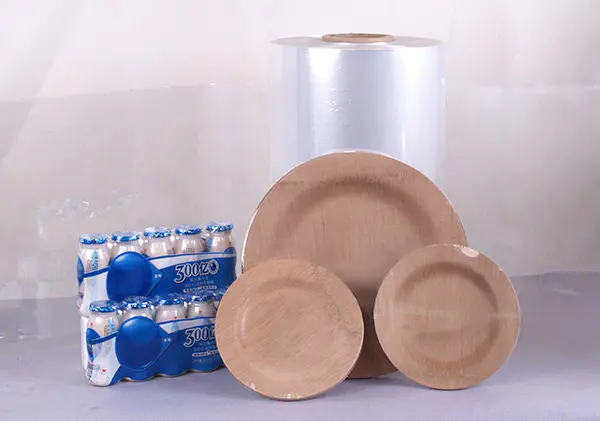
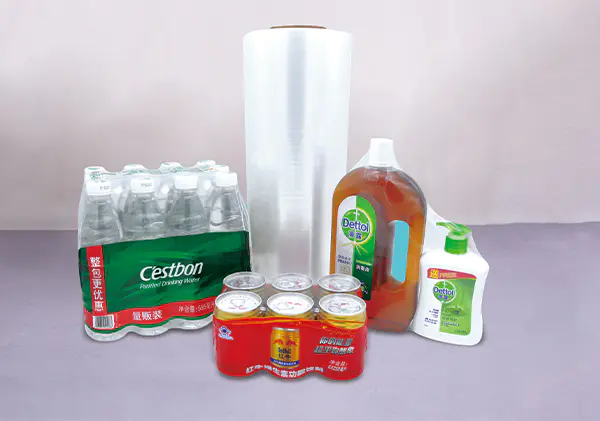
Bottled water bundles, paint cans, and automotive parts put stress on a film during shrinking and transport. Crosslinked shrink film resists punctures better than standard POF and holds heavy items firmly on pallets and in transit.
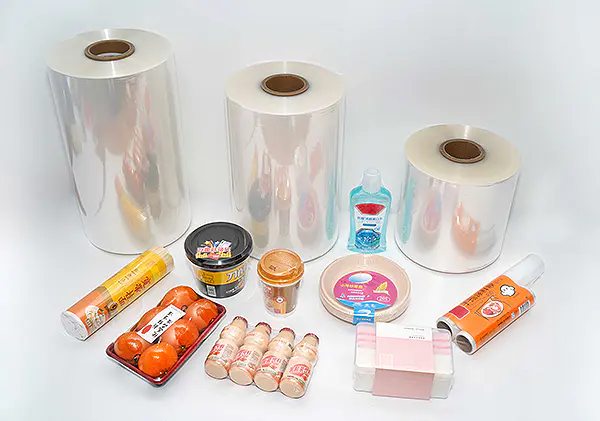 Crosslinked Shrink Film for Heavy and Durable PackagingThis high-strength film withstands stress from heavy items like water bundles and paint cans. Its crosslinked nature resists punctures and holds products securely during shrinking and transit, as noted nearby.View Product →
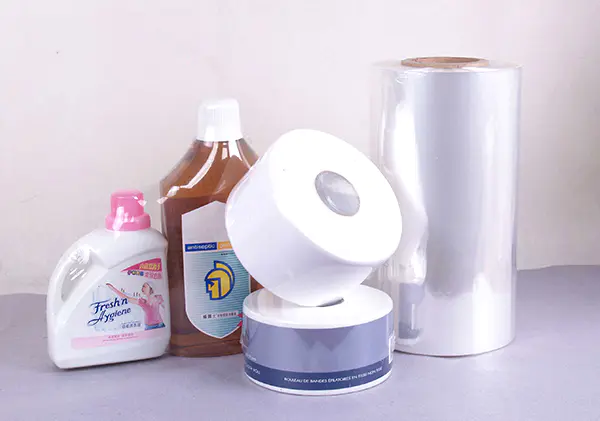
For retail shelves, film clarity is part of the product. A glossy POF wrap makes colors look deeper and keeps the package dust-free. When logo information is needed, printing film supports high-quality graphics so branding survives the shrink process without distortion.
Buying heat shrink film from a producer instead of a trader changes the questions you should ask. Price is only one part of the value calculation.
At Zhejiang Jiuteng Packaging Co., Ltd., production is based in Jiashan with a 20,000-square-meter facility near Shanghai Port. Every step from film casting to slitting and folding goes through quality checks, and the company holds ISO, BRC, SGS, and FDA certifications. It sells POF shrink film, hot slip film, crosslinked film, low-temperature film, printing film, PE shrink and stretch film, and zip lock bags to packaging buyers across Europe and the Americas.
POF film is usually the first choice because it offers clarity, good seals, and food-contact approval in most markets. For food that cannot stand high heat, a low-temperature variant is safer.
Most POF films shrink between 120°C and 160°C. PE and PVC typically need higher temperatures. The exact setting depends on film thickness, tunnel length, conveyor speed, and product mass.
Yes. Printing film is pre-treated so that ink adheres well and remains legible after shrinking. This works for brand labels, nutrition information, and promotional messaging.
As a rough starting point, add 8 to 15 percent around the relevant dimensions, then adjust based on the product’s profile and the film’s shrink ratio. A film that is too large wrinkles; one that is too small tears at corners.
The best plastic heat shrink film is the one that runs cleanly on your equipment, protects the product through the distribution chain, and presents the brand well at the point of sale. Compare the film with the product constraints, validate it in a trial, and use a manufacturer that can adjust the specification when your packaging needs change.

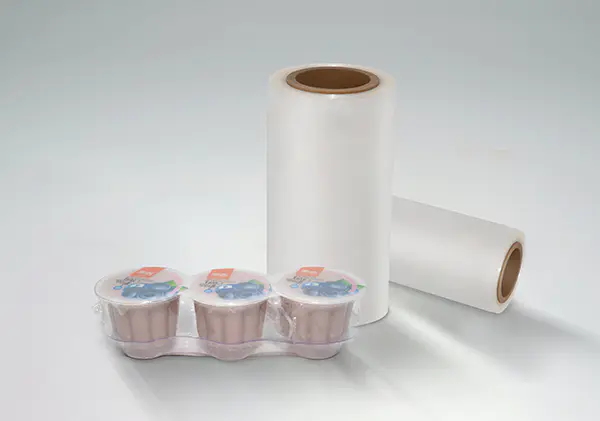


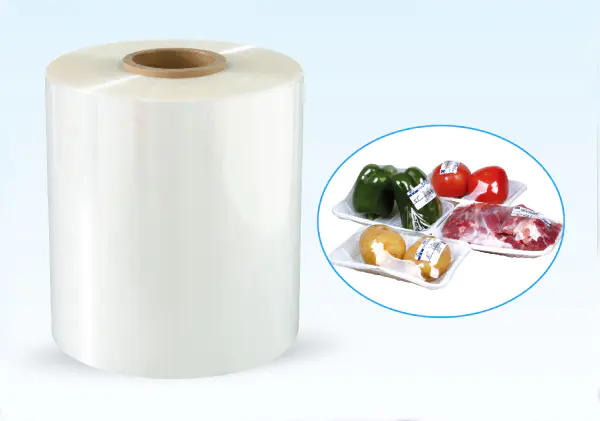
JT05 Antifog Crosslinked Shrink Film is an ideal o...
Copyright © Zhejiang Jiuteng Packaging Co., Ltd.
 简体中文
简体中文
 Home
Home
