
POF Shrink Film remains one of the go-to materials in modern packaging. It wraps around products tightly when heated, offering protection, a clean look, and some degree of tamper evidence. Over time, manufacturers have developed two main types: single-layer and multi-layer versions. These differ in how they're built, how they behave under stress, and where they fit in everyday use.
Many people assume all POF film works roughly the same way, but the number of layers changes quite a bit about performance and cost. Single-layer film keeps things straightforward—one uniform sheet of blended polyolefin resins. Multi-layer film stacks several sheets during production, usually through co-extrusion, so each layer can handle a different job.
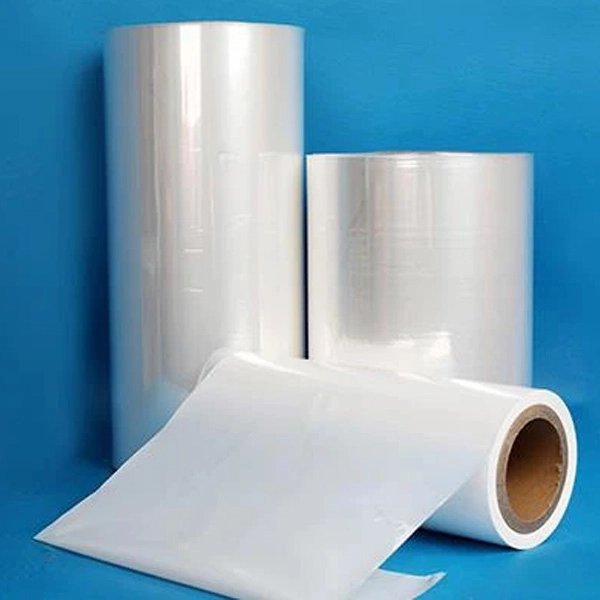
Single-layer POF starts with a mix of polyethylene and polypropylene resins extruded into one continuous sheet. The process orients the molecules to give the film its shrink memory. When heat hits it, the film pulls back evenly in most cases, creating a smooth, conforming wrap without too many surprises.
This type usually delivers decent clarity, so the product underneath stays easy to see—important for anything sitting on a store shelf. It seals reasonably well on standard equipment and handles light to moderate loads without much trouble. Because the structure stays simple, it tends to run smoothly on basic shrink tunnels and sealing bars, with fewer adjustments needed during long runs.
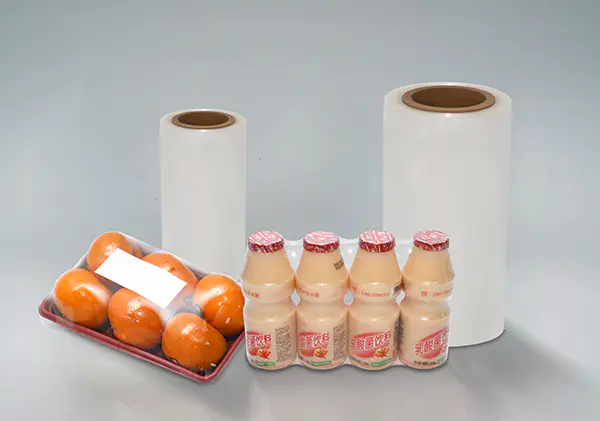
Plenty of smaller operations or everyday retail packaging rely on single-layer film. Think of items like boxed stationery, small toys, cosmetics, seasonal gift sets, or light multipacks of snacks. It keeps expenses down while still providing a neat, professional finish that customers notice. For products without sharp corners or heavy weight, single-layer often does the job just fine and keeps the whole process uncomplicated.
On the downside, it lacks extra reinforcement. Sharp edges—think metal tools, hardware, or even some plastic components—can puncture it more easily during packing or transit. It also doesn't block gases or moisture as effectively in tougher conditions. In high-humidity storage, cold-chain transport, or with perishable goods that need longer shelf life, single-layer sometimes shows its limits, leading to fogged packaging or faster spoilage.
Multi-layer POF uses co-extrusion to combine two, three, or more layers in one pass. Outer layers might focus on gloss, scratch resistance, or smooth feeding through machines so the film doesn't stick or jam. Middle layers add strength or barrier qualities to slow down oxygen or water vapor movement. Inner layers often improve sealing or include additives like anti-fog agents that keep the inside clear even when the temperature swings.
The layered approach lets manufacturers tune the film for specific demands. Tear resistance goes up noticeably because stress gets distributed across different materials instead of concentrating in one spot. Puncture protection improves too, which matters when wrapping irregular shapes, pointed items, or heavier contents that put more pressure on the film. Shrink control becomes more precise—some multi-layer films contract more evenly in the machine direction versus the transverse direction, reducing wrinkles, dog-ears, or loose corners on complex packages like trays with dividers or bottles in clusters.
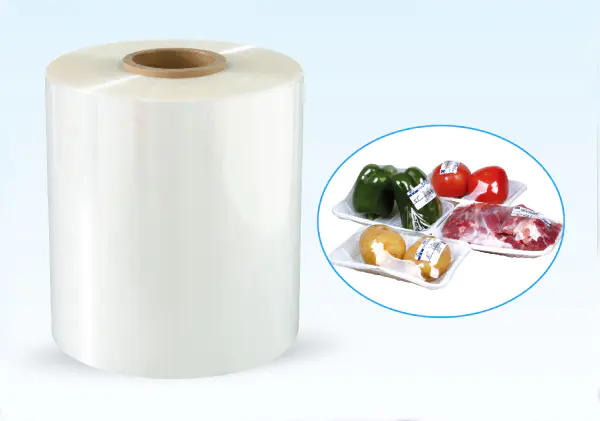
Sealing performance usually edges ahead as well. The film holds up better at higher speeds or under variable temperatures, cutting down on failed seals that can halt a line or ruin batches. In food packaging, especially fresh produce, bakery items, poultry, meats, or cheese, multi-layer versions help maintain appearance longer by limiting fog or excess moisture buildup inside the wrap, so the product still looks appetizing days or weeks later.
Of course, building multiple layers adds complexity to production. Raw material blends have to match perfectly, extrusion setup takes more calibration, and quality checks become stricter to catch any delamination or weak spots. That means the final roll costs more than a basic single-layer equivalent. Still, for applications where even a small percentage of damage leads to customer complaints, returns, or spoilage claims, the extra durability often pays for itself quickly.
| Feature | Single-Layer POF | Multi-Layer POF |
|---|---|---|
| Basic makeup | One uniform polymer blend | Several co-extruded layers |
| Strength & durability | Adequate for light use | Noticeably tougher, better puncture resistance |
| Clarity & appearance | Clear and glossy enough for most retail | Often brighter shine, less haze |
| Shrink behavior | Even contraction, works on simple shapes | Finer control, handles irregular items better |
| Barrier properties | Basic protection against moisture/gas | Improved in many cases, especially with barriers |
| Cost per roll | Lower, easier on budgets | Higher due to added production steps |
| Best suited for | Everyday retail, light multipacks | Food, heavier goods, demanding lines |
Single-layer POF sees heavy use in non-critical wrapping. Stationery sets, candles, small electronics accessories, promotional bundles, or holiday gift boxes often go with it because the requirements stay modest. It runs fast on older machines and keeps material costs manageable for high-volume, low-margin products where every penny counts.
Multi-layer POF steps in when reliability matters more. Fresh vegetables, poultry trays, cheese blocks, ready meals, or deli items benefit from the better anti-fog and barrier traits that preserve freshness and presentation. Industrial multipacks, heavier beverage cases, automotive parts kits, or items shipped long distances lean toward multi-layer to avoid tears during handling, palletizing, or rough freight movement. High-speed automated lines also favor it since consistent seals and smooth unwind reduce downtime and operator frustration.
Some operations test both types on the same product line before committing long-term. A quick trial run—sometimes just a few pallets—shows whether the added expense of multi-layer brings enough improvement in appearance, breakage rates, rework, or shelf presentation to justify switching.
Single-layer film wins on simplicity and price. Setup feels straightforward, waste stays low during changeovers, and it recycles more easily in many facilities because there's no need to separate dissimilar layers. For businesses watching every cent, running basic equipment, or packaging low-risk items, it remains practical and hard to beat on cost.
Multi-layer film brings advantages in toughness, looks, and function. Packages arrive looking sharper, products stay fresher longer in some cases, and overall damage drops noticeably in tougher supply chains. The catch is higher upfront cost and slightly more complicated end-of-life handling in regions without advanced recycling infrastructure.
Neither type is universally better—it depends on what the package really needs to survive from factory floor to store shelf and sometimes all the way to the consumer's kitchen counter.
Start with the product itself. Size, weight, shape, sharpness of edges, and sensitivity to moisture or oxygen all play a part. Next, look at the packaging line—machine speed, tunnel temperature range, seal bar setup, and how consistently the equipment runs can favor one structure over the other. Budget naturally influences the decision too; sometimes a small upgrade to multi-layer cuts returns or complaints enough to offset the difference in material price.
Environmental priorities matter as well. Both are polyolefin-based and lighter than many rigid alternatives, helping reduce shipping weight and fuel use. Single-layer often aligns better with simpler recycling streams in places where sorting is basic.
In the end, most users find that matching the film structure to actual handling, storage, and distribution conditions delivers the balance of cost, performance, and peace of mind.
If you're searching for consistent POF shrink film that performs reliably across different setups, Jtpackage operates as a specialized factory focused on producing quality shrink materials. They handle both standard and tailored options, paying close attention to uniformity and runnability so packages come out looking sharp and staying secure.
Jtpackage emphasizes steady output and practical support for clients who need dependable film without unnecessary complications. Working directly with them often simplifies sourcing and helps keep packaging lines moving smoothly.
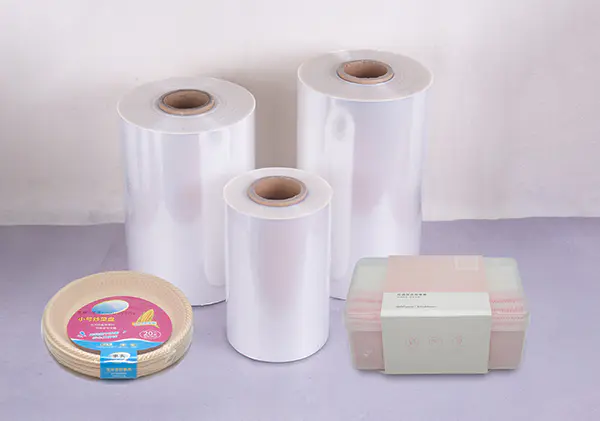
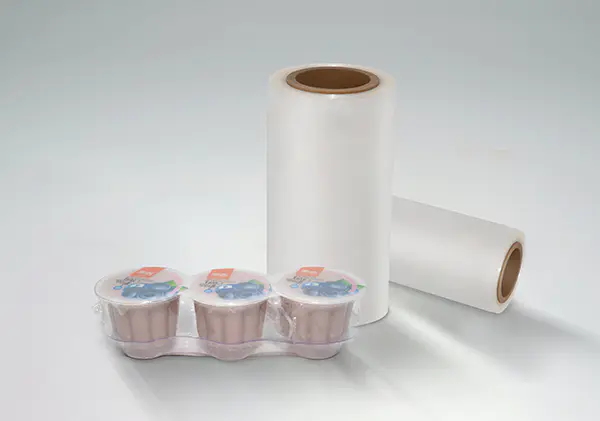
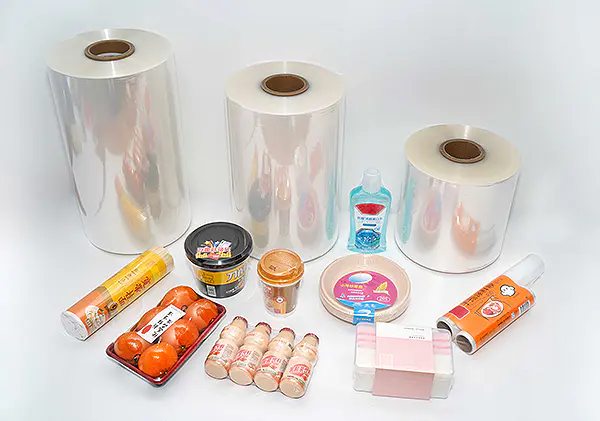
JT05 Antifog Crosslinked Shrink Film is an ideal o...
Copyright © Zhejiang Jiuteng Packaging Co., Ltd.
 简体中文
简体中文
 Home
Home
