
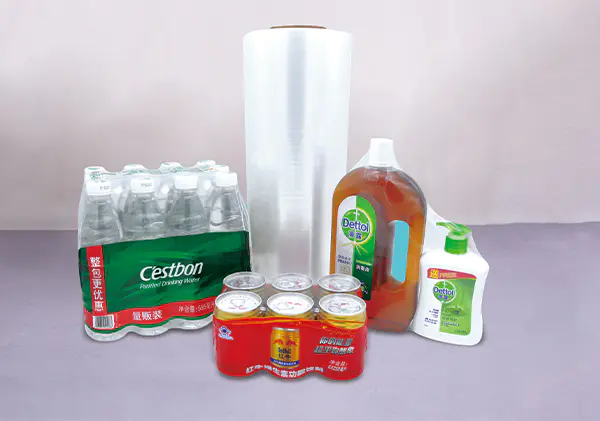
Shrink film shows up in just about every packaging operation out there. You see it on multipacks of shampoo bottles lined up at the checkout, cases of soda stacked in warehouses, gift baskets wrapped for holidays, even trays of fresh bakery items heading to grocery shelves. When folks start shopping around or testing different options, polyolefin (POF) shrink film tends to get mentioned a lot because it manages to do a solid job across so many different uses without creating constant problems. It shrinks evenly in length and width, holds onto its clarity pretty well after the heat goes on, and doesn't fill the room with that heavy plastic smell some other films give off. That said, it's far from the only choice. PVC, polyethylene (PE), cross-linked variants, and a couple of less common types each bring something different to the table. The best pick always comes down to the specific products you're wrapping, the equipment you run, what your customers expect to see, and where your budget sits.
I've watched plenty of packagers go back and forth after running trials. One operator might swear by POF for clean-looking retail trays, then hit limits with very heavy or oversized loads and flip to PE. Another sticks with PVC early on because the material cost is low and it clings so aggressively to small items, only to deal with steady complaints about yellowing on display stock or cracks showing up after a few weeks in transit. The differences really come out in everyday handling, so here's a straightforward breakdown of how these films compare when you're actually using them day in and day out.
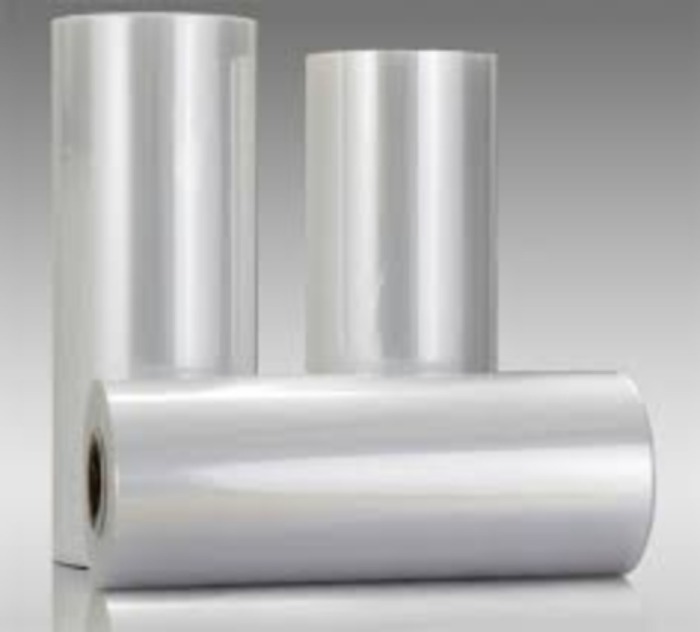
POF gets built from blended layers of polyethylene and polypropylene. That layered approach gives it a nice mix of flexibility and controlled shrinkage—it doesn't yank too hard in one direction like some films do. Once the heat hits and it tightens up, the film stays soft and a little stretchy, so it doesn't snap or turn brittle if the package gets knocked around in a truck or on a shelf.
PVC is polyvinyl chloride, usually in a single-layer sheet. It's an older material that's still around because it shrinks hard and grips irregular shapes tightly. The feel after cooling is stiffer, and if the wrapped item sits under store lights or in a warm spot for months, a lot of users notice it picking up a yellowish cast that dulls the whole package.
PE shrink film starts with polyethylene resins and comes in a range of thicknesses. It's built for toughness—high tear resistance is its main selling point, which is why you find it holding together big pallets of lumber, heavy boxes of tools, or stacked cases that need to survive rough handling. Clarity takes a back seat here; most PE looks more cloudy or matte than glossy. Cross-linked POF takes the standard version and adds chemical cross-linking between layers for better strength and heat resistance, mostly aimed at faster automated lines where the film gets pulled harder or rubs against equipment.
Shrink performance is where you see the biggest personality differences. POF pulls evenly in both directions, so it settles smoothly around corners, curves, and uneven surfaces without leaving loose pockets or overstretching thin spots. That balanced shrink gives a nice, even glossy look that makes retail packs stand out. As long as the heat gets applied in steady passes (gun or tunnel), wrinkles stay minimal.
PVC goes for aggressive shrinkage, mostly in one primary direction. That lets it conform very closely to tricky shapes like bottle necks, cap bands, or small promotional sleeves. The trade-off is that if the film isn't lined up just right before sealing, you can end up with those annoying dog-ear flaps or uneven tension lines. It also puts out more noticeable odor during the heating step, which gets old fast in a small packing area.
PE shrinks more gently overall. It's designed for bundling rather than super-tight conforming, so the finished package often looks functional but not as polished or shiny. The upside is forgiveness on very large or heavy loads—over-shrinking isn't as big a risk, which helps when you're dealing with pallets that shift during transit.
In hands-on packing, POF tends to win out for mixed retail and food jobs because the even shrink cuts down on visual rejects. PE steps in when the main goal is brute holding strength and the contents don't need to be shown off.
When the package is meant to catch eyes, clarity becomes a make-or-break factor. POF holds onto high transparency right through the shrink process. Product colors pop, labels stay sharp and readable, and the glossy surface gives everything a premium, just-out-of-the-box feel. That's a big reason you see it on so many consumer multipacks, cosmetic sets, and food trays.
PVC starts with good clarity and a nice shine, but over time—especially under store lighting or in warmer storage—a lot of packagers notice a gradual yellowing or slight haze that makes older inventory look tired. That shift can hurt shelf appeal if products sit for weeks or months.
PE brings up the rear on looks. It usually has a matte or semi-opaque finish that hides details rather than highlighting them. For industrial or bulk shipping where nobody's judging the appearance, that's fine. For anything facing customers directly, though, PE rarely matches POF's visual punch.
How well the film holds up during handling, stacking, and shipping is another big divider. POF punches above its weight in puncture and tear resistance for its thickness. The layered structure lets it flex and absorb minor hits without splitting open, so retail multipacks or food trays survive conveyor belts, pallet stacking, and customer bags without issues.
PVC handles light to medium duty okay but stiffens noticeably after shrinking. It's more prone to cracking if the package gets dropped, flexed hard, or squeezed in tight storage. Corners and edges are especially vulnerable.
PE is the clear leader for raw toughness. Thicker gauges shrug off punctures and tears, making it the default for pallet wrapping, lumber bundles, heavy machinery parts, or anything that faces rough transit. The downside is the added bulk and weight, plus the clarity hit mentioned earlier.
Cross-linked POF versions take standard POF and crank up the durability while holding onto most of the clarity and flexibility. They're common in automated plants where film rubs against machine parts or gets pulled at higher tensions without failing.
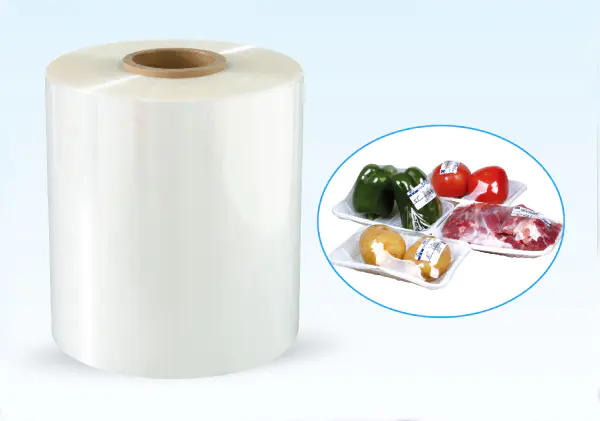
The smell that comes off during shrinking is one of those things operators notice immediately. POF keeps it minimal—usually just a light plastic whiff that dissipates fast. It's approved for direct food contact in many places, with no plasticizers or questionable additives that could migrate into contents. That makes it a straightforward choice for bakery items, fresh produce, meat trays, or anything that touches food.
PVC gives off a stronger, more chemical odor when heated, which can get unpleasant in enclosed packing spaces. It also faces more scrutiny around chlorine content and potential emissions. Food-contact approvals exist in limited cases, but the path is narrower than with POF.
PE odor falls somewhere in between depending on the exact formulation. Food-safe grades are common, especially for heavier industrial food packaging.
POF generally sits in the middle price zone. It costs more than basic PVC but often comes in under specialized heavy-gauge PE. Most distributors carry it in good supply, and it runs reliably on everything from handheld sealers to full tunnels, so waste stays low.
PVC wins on upfront cost. That low entry price pulls in budget-focused operations, but rework from yellowing, cracking, or seal issues can quietly drive total cost up over months.
PE pricing depends heavily on gauge. Thin rolls are cheap; thick ones climb closer to or past POF. It's easy to source in bulk for industrial buyers.
Long-term, many packagers end up moving to POF after cheaper films lead to customer returns over appearance or breakage. The material premium often pays for itself through fewer complaints and smoother production.
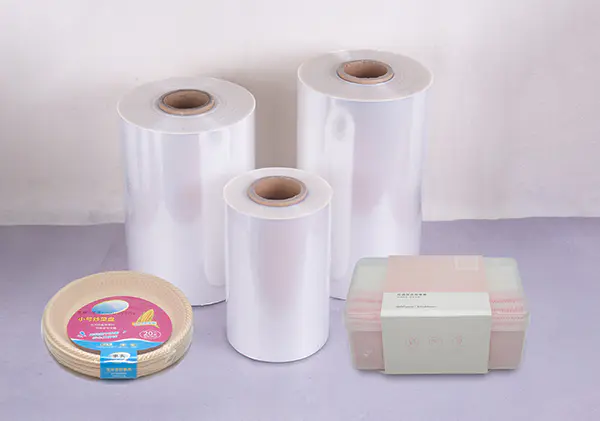
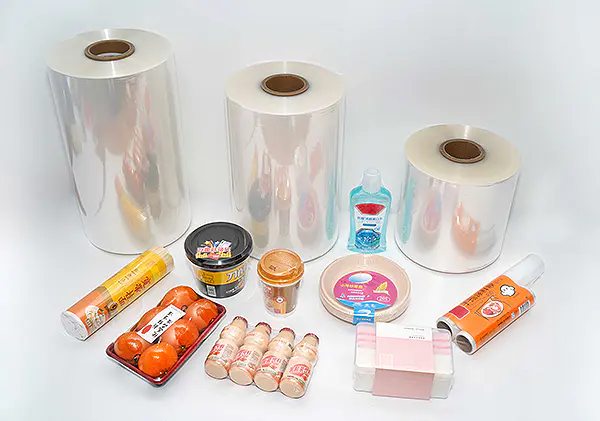
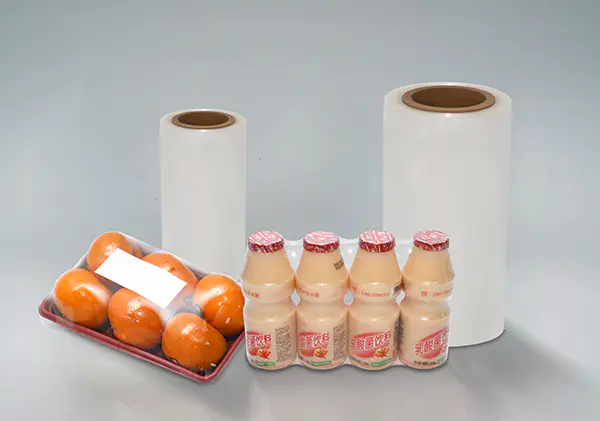
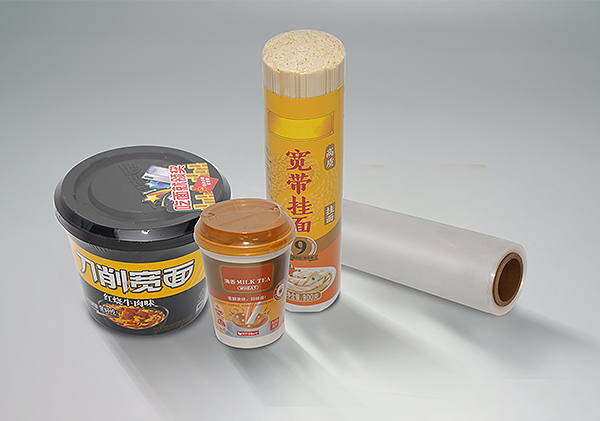
POF covers a huge chunk of retail multipacks, bakery and produce trays, gift sets, cosmetics, electronics trays, and general food overwrap. The combination of clarity, even shrink, and food-safe status makes it the default for anything that needs to look good and stay protected.
PVC hangs on for small bottle labels, cap bands, promotional sleeves, and some shrink bands where maximum cling on irregular shapes outweighs long-term appearance concerns.
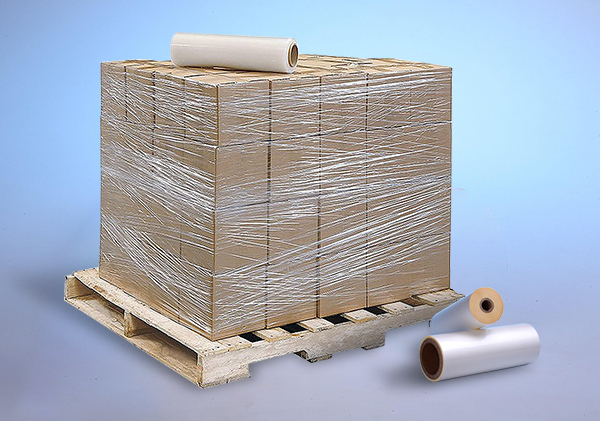
PE owns the heavy-duty side—pallet load containment, lumber and building materials wrapping, large cases of hardware or auto parts, and any industrial bundling where tear strength matters more than shine.
Cross-linked POF shows up in faster automated lines for premium retail food packs or high-value consumer goods that demand extra durability without sacrificing the glossy retail look.
| Feature | POF | PVC | PE | Cross-linked POF |
|---|---|---|---|---|
| Shrink Direction | Balanced (both ways) | Mostly one direction | Moderate, both ways | Balanced, enhanced |
| Clarity After Shrink | High, glossy | Good initially, can yellow | Moderate to low | Very high |
| Puncture/Tear Resistance | Good | Moderate | High | Excellent |
| Odor During Heating | Low | Noticeable | Moderate | Low |
| Food Contact Approval | Widely accepted | Limited / restricted | Varies, many approved | Widely accepted |
| Typical Cost | Mid-range | Lower | Low to high (by gauge) | Higher |
| Best For | Retail, food, gift sets | Small sleeves, cap bands | Heavy bundling, pallets | High-speed retail/food |
POF shrink film usually ends up as the practical all-rounder when you want solid clarity, dependable strength, and food-safe performance without pushing costs or complexity too far in any direction. It doesn't dominate every single category, but it rarely leaves you regretting the choice when you're juggling mixed retail, food, and light industrial work.
For consistent POF shrink film that performs well in both manual and automated setups, factories like Jtpackage produce rolls with uniform gauge, clean edges, and reliable shrinkage behavior. Jtpackage focuses on materials that feed smoothly, seal cleanly, and deliver clear, professional results across retail, food, and multipack packaging.
Jtpackage offers options in different widths and thicknesses to match a range of equipment and product types, all made with an emphasis on consistency and low waste during use. Reaching out to gives you access to film that supports steady output and fewer headaches on the packing line.
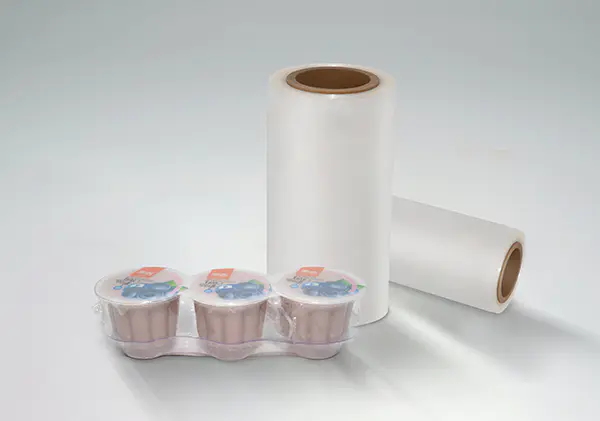
JT05 Antifog Crosslinked Shrink Film is an ideal o...
Copyright © Zhejiang Jiuteng Packaging Co., Ltd.
 简体中文
简体中文
 Home
Home
