
Packaging films hold a central place in operations that move goods from production lines to delivery points. Stretch wrapping film and shrink wrapping film each address specific securing and protection needs in warehouses, manufacturing sites, and distribution centers. The two films differ in how they attach to loads, the equipment involved in their application, and the results they deliver for stability and coverage. This comparison reviews the core features of each type, the ways they operate, and the situations where one fits better than the other.
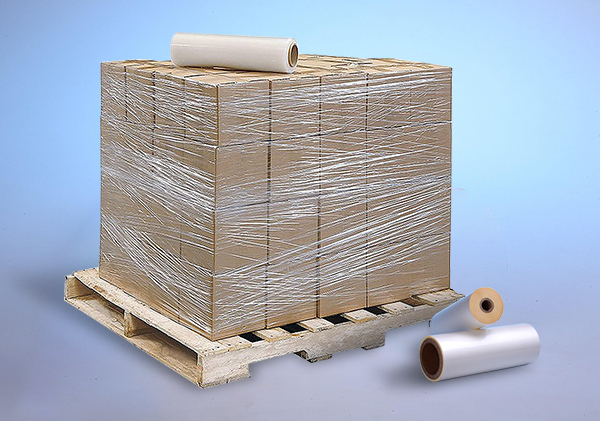
Stretch wrapping film starts as a roll of material that extends when pulled. Workers or machines wrap the film around a collection of items, typically stacked on a pallet. The tension created during wrapping causes the layers to bind together and grip the load. This action forms a unified unit that resists shifting while items travel through conveyor systems or sit on trucks.
The film relies on its built-in cling property to stick to itself without additional fasteners. Operators adjust the wrap pattern to cover the base, middle, and top sections of the pallet. In busy facilities, automated stretch wrappers rotate the load while feeding out film at a controlled rate. Manual methods use simple holders that allow workers to walk around the pallet and apply even layers.
Stretch wrapping film supports operations where multiple boxes or bags need collective stability. The material conforms to irregular shapes on the pallet surface and maintains hold through changes in temperature during normal transport. Facilities that ship heavy or mixed loads turn to this film because it keeps everything aligned without covering each item separately.
The film type works across sectors that handle bulk movement. Distribution hubs use it to prepare shipments that travel long distances. Manufacturing plants apply it to finished goods ready for storage. Retail backrooms rely on it for quick pallet organization before restocking shelves. The wrapping process adds a layer that shields against dust and minor moisture while the load stays intact.
Stretch wrapping film comes in variations suited to different load weights and handling speeds. Some versions allow greater extension before they reach their limit, which helps reduce material use per pallet. The film thickness varies by application, yet all versions share the same core behavior of stretching and clinging. Operators select the width and roll size based on pallet dimensions to achieve full coverage in fewer passes.
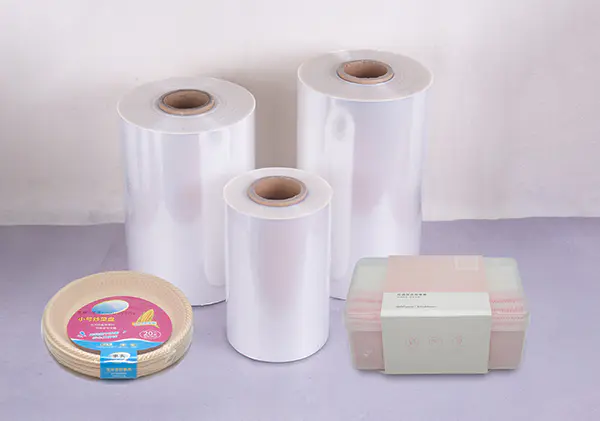
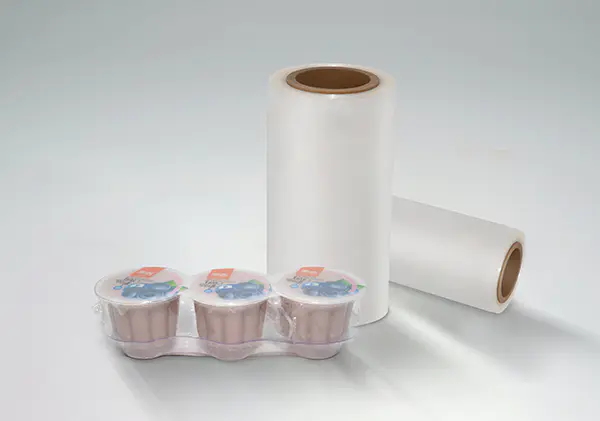
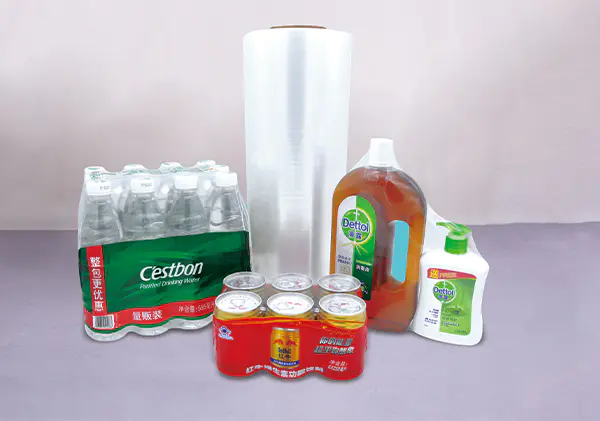
Shrink wrapping film begins as a loose sleeve or sheet placed around a product or group of products. Once positioned, heat triggers the material to contract evenly in all directions. The film tightens until it matches the exact contours of the items inside, forming a clear, close-fitting layer.
Application starts with the film covering the bundle or single item. A heat source then passes over the surface to activate the shrink process. In larger setups, items move through a tunnel where consistent temperature causes uniform contraction. Smaller operations use handheld tools that direct heat precisely to avoid damaging sensitive contents.
The result is a sealed package that protects against external elements. The film creates a barrier that limits air and moisture entry while allowing visibility of the product labels. This tight fit prevents individual pieces from separating during handling or display.
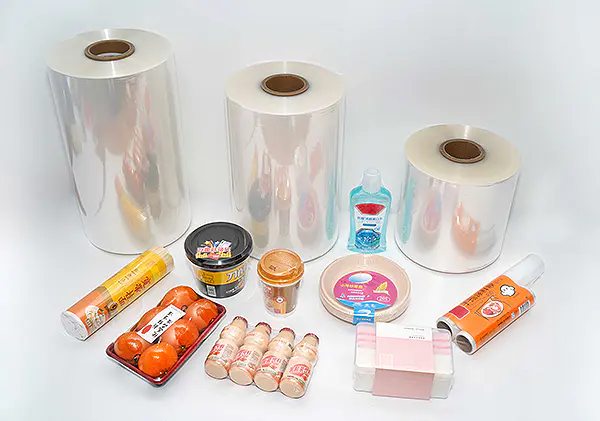
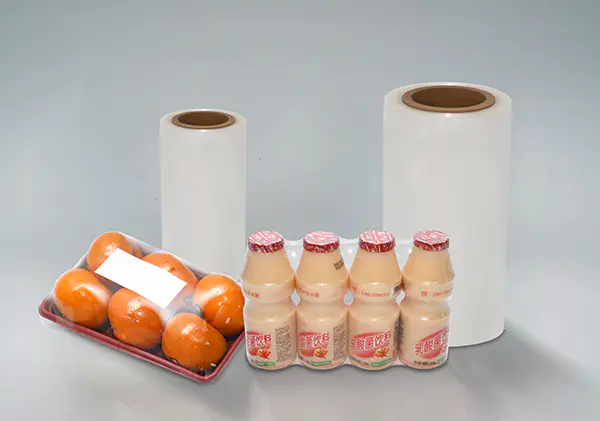
Shrink wrapping film serves retail environments where products sit on shelves or in bins. Manufacturers bundle components into kits before shipping to assembly lines. Food processors use it to group trays or containers for safe transport to stores. The film type also appears in situations that require tamper evidence, as any break in the shrunk layer shows immediately.
The material responds consistently to heat across different thicknesses. Operators choose sleeve lengths or flat sheets that match the item dimensions before the contraction step. The process works on both rigid and slightly flexible items, adjusting to curves without leaving gaps. Facilities that ship smaller or fragile loads favor this method because the film conforms completely and stays in place.
The two films operate through separate mechanisms that affect every stage from preparation to final use. A side-by-side view clarifies the distinctions in method, equipment, and outcome.
| Aspect | Stretch Wrapping Film | Shrink Wrapping Film |
|---|---|---|
| Application method | Tension applied during wrapping | Heat applied after loose placement |
| Equipment required | Stretch wrapper machines or hand dispensers | Heat tunnels, guns, or chambers |
| Load type suited | Palletized or stacked bulk items | Individual products or small bundles |
| Coverage style | Layered tension hold around entire unit | Tight contour fit on each item or group |
| Cling or seal behavior | Self-adhering layers | Contraction creates sealed surface |
| Protection focus | Stability against shifting and vibration | Barrier against dust, moisture, and tampering |
| Typical setting | Warehouses and transport preparation | Retail packaging and display lines |
| Removal process | Cutting and peeling layers | Slitting and peeling the shrunk layer |
This table outlines the main contrasts without overlap in function. Stretch wrapping film builds security through mechanical force, while shrink wrapping film relies on thermal response. The choice between them follows directly from the size and handling requirements of the goods.
Stretch wrapping film excels when loads must stay together as one unit during movement. The tension holds boxes in alignment even if the pallet tilts slightly. Shrink wrapping film delivers a smoother finish on smaller packages, making them ready for direct customer viewing. The heat step in shrink applications adds a step that stretch methods skip entirely.
Facilities that combine both films in one workflow use stretch wrapping film for outbound pallets and shrink wrapping film for inner bundles. This layered approach appears in supply chains that move goods through multiple stages. Each film type complements the other rather than competing in the same role.
Stretch wrapping film reduces the need for additional straps or bands on pallets. The cling property keeps the wrap secure through repeated handling. Operators achieve full coverage in a short sequence of rotations, which supports high-volume shipping schedules.
The film adapts to loads that vary in height and width. Extra layers at the base and top add reinforcement where stress concentrates during forklift moves. The material recovers some of its shape after minor stretching, which helps the wrap stay tight over time.
In storage areas, pallets wrapped with this film stack neatly without sliding. The uniform tension distributes pressure across all sides, limiting damage from compression. Transport companies note fewer shifts in cargo when pallets arrive secured this way.
The film type integrates easily into automated lines. Sensors on machines monitor stretch levels to maintain consistency across thousands of pallets per shift. Manual teams also benefit because the dispensers require minimal training for even application.
Shrink wrapping film creates a clean appearance that highlights product details. The tight fit keeps labels readable and protects printing from scuffs. Retail teams place these packages directly on shelves without extra handling.
The barrier formed after shrinking limits contamination during open-air display. Items grouped in multipacks stay together until the end user opens the film. This grouping simplifies inventory counts and reduces loose piece handling.
Manufacturing lines use shrink wrapping film to prepare kits or replacement parts. The process encases components in one package that travels safely to service centers. The film also serves in situations where visibility helps quality checks before shipment.
Heat application allows operators to adjust the final tightness by controlling exposure time and temperature range. The resulting package resists tearing at edges and maintains shape during stacking in boxes.
Operations that assemble large quantities of boxes or bags onto pallets benefit from stretch wrapping film. Logistics centers preparing mixed shipments use it to create stable units that load quickly onto trailers. The film prevents toppling when forklifts move pallets between bays.
Warehouses with high rack storage turn to this film to secure loads before placement on shelves. The added stability reduces incidents during retrieval. Export facilities apply stretch wrapping film to overseas pallets that face long journeys with vibration.
Any setting that moves pallet quantities daily gains efficiency from the quick wrapping cycle. The film type supports both light and heavier configurations without changing core procedures.
Retail packing stations use shrink wrapping film for individual products or small groups destined for display. The process prepares items that customers pick up directly from counters or shelves. Food distribution lines bundle trays this way to maintain freshness during short trips to stores.
Assembly operations wrap tool sets or component kits with shrink wrapping film to keep parts organized. The clear layer allows inspectors to verify contents without opening the package. Gift and promotional bundling also relies on this film to present multiple items as one unit.
Facilities that ship fragile or irregularly shaped goods select shrink wrapping film for its conforming action. The tight seal protects edges and surfaces that might otherwise catch on other packages.
Load size guides the first decision. Pallet-level collections align with stretch wrapping film, while single-item or small-bundle needs point to shrink wrapping film. The available equipment also influences choice. Sites with heat tunnels already in place lean toward shrink methods, whereas those with stretch machines favor the tension approach.
Protection priorities matter as well. Stability during transit favors stretch wrapping film, while dust and moisture barriers suit shrink wrapping film. Cost per unit load varies with volume, yet both options scale with production rates when chosen for the right task.
Staff training levels play a role. Stretch application often requires less specialized skill than consistent heat control. Space constraints affect setup, with stretch wrappers taking less room than full shrink tunnels in some layouts.
Many facilities maintain both film types to cover different stages of their workflow. Incoming components arrive in shrink-wrapped bundles, then outbound pallets receive stretch wrapping film. This combination streamlines the full packaging sequence.
Both film types use materials that support recycling programs in many regions. Facilities sort used film separately to send it for reprocessing. Storage areas keep rolls in controlled conditions to preserve their original properties until application.
Stretch wrapping film occupies less space in inventory because rolls serve multiple pallets. Shrink wrapping film requires careful stock rotation to avoid premature contraction from heat exposure. Proper shelving keeps both types ready for immediate use without degradation.
Adding stretch wrapping film to a conveyor system involves mounting a wrapper at the end of the packing area. The machine syncs with pallet flow to apply layers automatically. Shrink wrapping film fits into lines equipped with heat stations after the bundling step. Sensors ensure each package receives even exposure.
Teams that run mixed production switch between the two films by preparing separate stations. The flexibility allows one shift to handle pallet orders and another to manage retail packs without major reconfiguration.
Stretch wrapping film can slip on very smooth loads unless operators add extra turns at the base. Adjusting wrap patterns addresses this without changing film type. Shrink wrapping film may leave wrinkles if heat application is uneven, yet calibrated tools deliver consistent results across batches.
Both films perform reliably when matched to the correct load profile. Regular checks on machine settings keep output steady throughout the day.
Distribution centers that supply hardware stores wrap tool pallets with stretch wrapping film to maintain order during truck loading. Grocery warehouses use shrink wrapping film on multipack cans before they enter larger pallet wraps. Electronics assembly plants apply shrink wrapping film to circuit board kits, then secure the full shipment pallets with stretch wrapping film.
These patterns appear across sectors that combine bulk movement with individual product protection. The dual approach maximizes efficiency at each stage.
Operations continue to refine film formulas for better performance in standard conditions. Equipment makers develop systems that integrate both wrapping styles into single lines for seamless transitions. The focus remains on matching film behavior to load requirements without unnecessary steps.
Businesses evaluate total material use and handling speed when updating their setups. The two film types support ongoing improvements in throughput and product safety.
When seeking reliable stretch wrapping film and shrink wrapping film, JTPackage operates a factory dedicated to consistent production of both types. The facility maintains steady output that aligns with varied packaging demands across different scales of operation.
JTPackage focuses on supporting client workflows through dependable film supply and adaptable specifications. The team coordinates directly with packaging departments to match film characteristics to specific load profiles and equipment setups, helping facilities keep operations running smoothly without interruption.
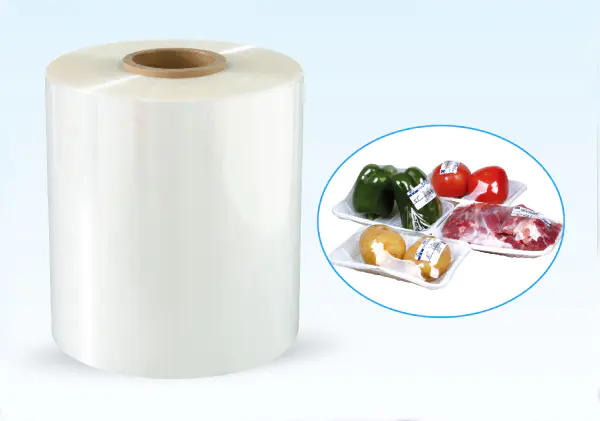
JT05 Antifog Crosslinked Shrink Film is an ideal o...
Copyright © Zhejiang Jiuteng Packaging Co., Ltd.
 简体中文
简体中文
 Home
Home
