
Wrapping films are one of those packaging staples you see everywhere once you start paying attention. They wrap around products to keep them clean, secure, and looking good from the factory floor all the way to the store shelf or customer's doorstep. Different films handle different jobs—some stretch and cling to hold heavy pallets together, others shrink tight when heated, and a few just stick to themselves to cover a bowl of leftovers. The basic idea is simple: a thin sheet of plastic (or sometimes something more specialized) that can be applied quickly and stays in place until you need to remove it. Most of them come from polyethylene or similar polymers because those materials are cheap, flexible, and easy to work with in high-speed lines.
At their core, wrapping films are extruded sheets of polymer that get cooled, rolled up, and shipped out to packaging operations. The extrusion step melts the raw pellets and pushes them through a die to form a flat web, which then gets cooled on rollers before winding. Some films get stretched during production to build in the shrink or stretch properties, while others receive additives for better slip, anti-static behavior, or UV resistance.
In real use, the film interacts with the product mostly through tension, pressure, or a bit of heat. Thinner films are forgiving for hand wrapping delicate items, while thicker gauges take the abuse of heavy pallets bouncing around on forklifts. A lot of films stay crystal clear so you can see barcodes, labels, or the actual product without peeling anything back. That visibility saves time in warehouses and helps shoppers decide what to buy. Films perform best when stored away from direct sun, extreme heat, or high humidity—otherwise they can get brittle, blocky, or lose some of their cling. Keeping rolls standing upright on racks instead of stacking them flat also prevents oval shapes that make unwinding a hassle.
These films cut down on extra packaging steps. No need for straps, tape, or heavy cardboard in many cases. They add very little weight to shipments, which matters when freight costs are calculated by the pound. In food packaging they create quick barriers that slow down spoilage, and in industrial settings they protect machined parts from fingerprints or workshop dust. The whole category is built around being practical and adaptable rather than fancy.
Stretch film is the workhorse you find wrapped around almost every pallet that leaves a warehouse. It's made to elongate a good distance when pulled, then snap back enough to grip whatever it's wrapped around. The surface has just enough natural tack so each layer sticks to the one below it, building a solid cocoon without tape.
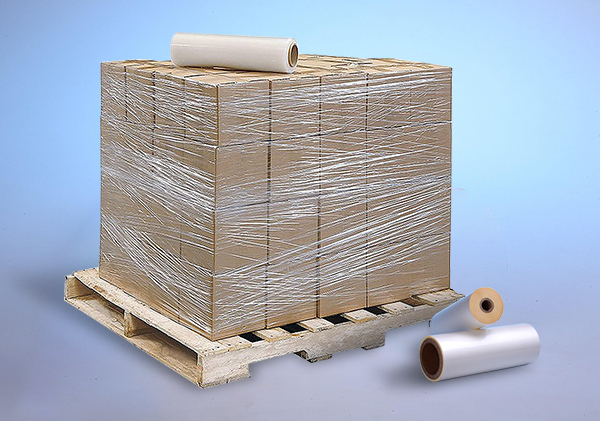
On a loading dock, someone either walks circles around the pallet with a handheld dispenser or the pallet spins on a turntable while the machine feeds film at steady tension. Overlapping the wraps by half or more creates multiple layers that lock the load in place. Once the wrap is complete, the film's recovery force keeps boxes from shifting sideways or toppling when the forklift hits a bump. The clear nature lets forklift drivers or receivers see what's inside without cutting the wrap open.
Smaller operations use it to bundle lumber, pipe, or rolls of carpet so nothing unravels in transit. Retail distribution centers wrap cases of canned goods or bottled water together for easier handling through the store. Automated wrappers on high-volume lines adjust tension automatically to avoid over-stretching thin spots or leaving loose areas. The film's elasticity absorbs minor vibrations, so loads arrive more intact than they would with just straps or banding.
Cling film is the everyday kitchen hero—thin, see-through, and sticky enough to hold onto itself and smooth surfaces. The cling comes from the molecular makeup of the polymer rather than any added glue, so it bonds when pressed together and releases cleanly when peeled.
You pull a sheet off the roll, drape it over a bowl or plate, and press the edges down. The overlapping parts grab each other, forming a decent seal that keeps air out and moisture in (or vice versa, depending on what you're storing). In commercial kitchens it covers prep trays, separates sandwich ingredients, or wraps cut produce so nothing dries out in the walk-in cooler. Households use it the same way for leftovers, sandwiches, or covering a half-used onion in the fridge.
Labs and pharmacies rely on it to seal small containers or cover samples temporarily. The film molds to irregular shapes easily—round fruit, square casserole dishes, odd-shaped leftovers—and doesn't add noticeable bulk when you stack containers. Many rolls have a built-in cutter bar or perforations so you can tear straight pieces without wrestling the roll. Because it's so lightweight and forgiving, it's one of the few films that works just as well by hand as it does in semi-automated setups.
Shrink film starts out loose and baggy around the product, then pulls tight the moment heat hits it. The polymer has internal stresses locked in from the way it was stretched during manufacturing. When that heat energy arrives, the stresses release and the film contracts back toward its original size, hugging every contour.
Typical workflow: drape or sleeve the film over the item, seal the open ends with heated bars, then send it through a tunnel where hot air circulates. The film shrinks evenly if the heat is balanced, squeezing out trapped air and leaving a smooth, glossy wrap. Handheld heat guns work for small batches or repairs. Cooling sets the film rigid, so the package holds its shape.
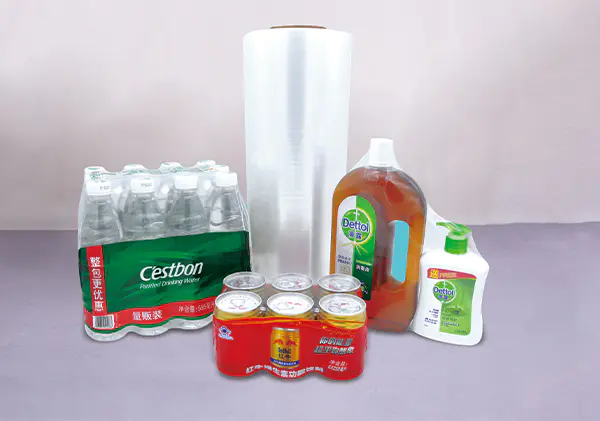
Grocery stores use it on trays of chicken parts, ground beef, or fresh vegetables—the wrap keeps things hygienic and lets shoppers see exactly what they're buying. Beverage companies shrink multipacks of cans or bottles together instead of using trays in some markets. Electronics get bundled with cables and manuals inside a tight, dust-proof layer. The finished wrap shows tampering instantly if someone tries to open it, and the clarity keeps branding visible. Automated lines handle the whole sequence—forming, sealing, shrinking, cooling—in seconds per package.
Barrier films keep oxygen, moisture, light, or odors from reaching the product by using multiple layers—sometimes a thin foil or special polymer sandwiched between polyethylene sheets. Pouches get filled, air pulled out if it's a vacuum pack, then heat-sealed. Coffee stays aromatic longer, chips stay crisp, frozen foods avoid freezer burn.
Protective films have a light adhesive on one side that sticks temporarily to glass, metal, or plastic. Press it on, and it guards against scratches, dust, or paint splatter during manufacturing or construction. Peel it off later, and no residue stays behind.
Heat-sealable films melt at the edges when pressed with hot jaws, forming strong, airtight closures on bags or tray lids. Anti-fog versions have coatings that spread condensation into a thin sheet instead of droplets, so salad bags or deli trays stay clear in the cooler.
Wrapping films are one of those things that seem simple until you start running into problems on the line—loose pallets, foggy produce bags, or seals that pop open halfway to the customer. Picking the right one isn't about finding the “best” film; it's about matching what the product actually needs to how it's going to be handled, stored, shipped, and eventually displayed or used. There are several main families of wrapping films, and each family has its own strengths and quirks. Getting familiar with them helps avoid the usual headaches and keeps waste (and frustration) down.
Stretch film is what most people picture when they think “pallet wrap.” It's basically a long, stretchy sheet of polyethylene that you pull tight around a load. The more you stretch it, the more it wants to snap back and squeeze everything together. That recovery force is what keeps boxes from sliding off a pallet when the forklift driver hits a speed bump.
You see stretch film wrapped around just about every pallet coming out of a warehouse—cases of canned goods, stacks of building materials, rolls of carpet. In smaller shops it bundles awkward items like doors or ladders so they don't flop around in the truck. The cling comes from the film's surface rather than glue, so layers stick to each other as you overlap them. Handheld dispensers work for low-volume wrapping; bigger operations use turntable machines that spin the pallet while feeding film at steady tension. Pre-stretched versions require less pulling effort, which is easier on the person doing the wrapping all day.
Cling film is the kitchen classic—the thin, clear stuff that sticks to itself and to glass or plastic without any adhesive. The cling is built into the polymer; when two surfaces touch, they grab each other through molecular attraction.
Chefs and home cooks use it to cover bowls of dough, wrap cut vegetables, or seal half-used blocks of cheese so nothing dries out in the fridge. Restaurants cover trays for the walk-in cooler, separate sandwich ingredients, or wrap takeout containers. It molds easily around odd shapes—think a whole pineapple or a lumpy casserole dish—and doesn't add much bulk when you stack things. Many rolls have a serrated edge or built-in cutter so you can tear straight pieces without fighting the roll. Because it's so forgiving, it works equally well by hand or in light semi-automatic setups.
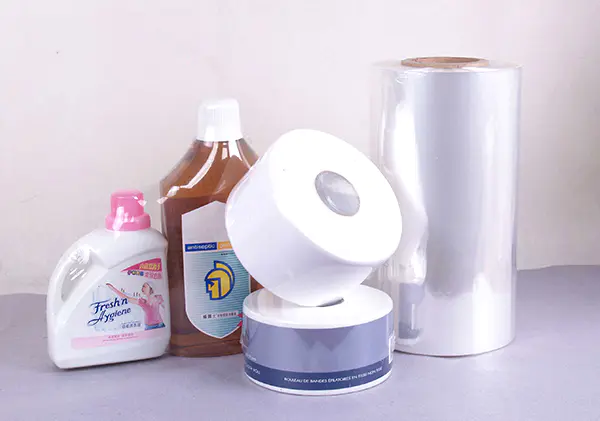
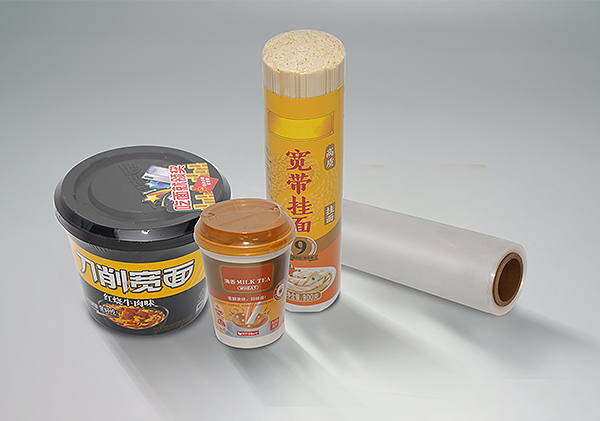
Shrink film starts loose and baggy, then pulls skin-tight the second heat touches it. The polymer has stresses locked in from the way it was made, and heat releases those stresses so the film contracts back toward its original size.
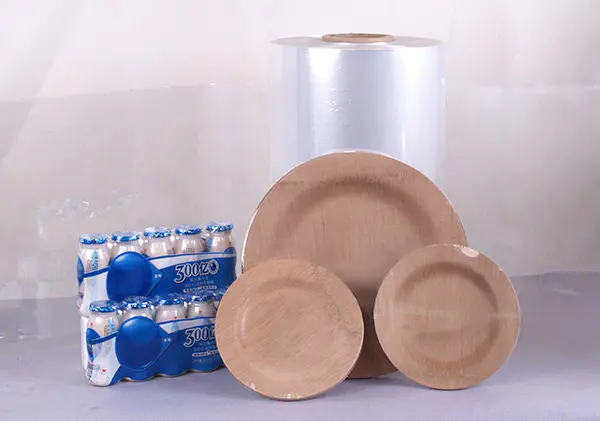
Grocery stores shrink-wrap trays of chicken, ground beef, or fresh berries—the wrap keeps things hygienic, squeezes out air pockets, and lets shoppers see exactly what they're buying. Beverage companies use it for six-packs or cases of bottles instead of cardboard trays in some markets. Small electronics get bundled with cables and manuals inside a dust-proof layer. The process usually goes like this: drape or sleeve the film, seal the open ends, then run it through a heat tunnel or hit it with a gun. Once it cools, the wrap is rigid and shows any tampering right away because the film distorts. Automated lines do the whole thing in seconds; handheld guns handle one-offs or repairs.
Barrier films are built to keep things out—oxygen, moisture, light, odors—by sandwiching special layers inside regular polyethylene. One layer might block gas, another might stop light, and the outer skins provide strength and sealability.
Chips and crackers stay crisp longer in barrier pouches. Coffee bags hold onto their aroma instead of going stale. Frozen foods avoid freezer burn. Pills and powders in pharma packaging stay potent because humidity can't get in. Vacuum sealing pairs well with barrier films—pull the air out, seal, and the package becomes even more protective. These films take up less space than rigid jars or cans, which helps with shelf space and shipping costs.
Protective films have a light adhesive on one side that sticks just enough to stay put but peels off clean without leaving goo behind. They're temporary shields against scratches, dust, fingerprints, or paint splatter.
Appliance factories cover stainless doors and glass panels so nothing gets marked up during assembly. Car plants protect fresh paint or interior trim while vehicles move down the line. Construction crews tape it over windows, countertops, or finished floors to keep them safe from debris. Electronics brands cover screens so they arrive scratch-free. The film is usually clear so inspectors can check quality without peeling it off early. Adhesive strength comes in different levels—gentle for delicate finishes, stronger for rougher surfaces.
| Film Type | What Makes It Stick or Hold | Main Purpose | Common Applications |
|---|---|---|---|
| Stretch | Elastic recovery with surface cling | Stabilize and secure heavy loads | Pallets, lumber, building materials |
| Cling | Molecular attraction to itself and surfaces | Create quick airtight coverage | Food storage, prep trays |
| Shrink | Heat-activated contraction | Tight and tamper-evident sealing | Grocery trays, beverage multipacks |
| Barrier | Multi-layer protection structure | Block oxygen and moisture | Chips, coffee, frozen food |
| Protective | Light adhesive bonding | Prevent scratches and contamination | Appliances, vehicles, construction materials |
Start with the product itself. Is it perishable and sensitive to air? Barrier or cling films are usually the answer. Heavy and prone to shifting? Stretch film is built for that. Delicate surface that scratches easily? Protective film goes on first.
Next, think about the journey. Long truck rides with vibration favor stretch or shrink films that lock things down. Refrigerated display needs anti-fog so customers can actually see inside the bag. Rough handling in warehouses calls for thicker, tougher films.
Look at the equipment you already have. Heat-sealable films need sealers or impulse machines. Shrink films require a tunnel or gun. Cling and protective films work fine by hand. If you're adding automation later, pick films that feed smoothly on rollers without jamming.
Budget and volume matter too. Pre-stretched stretch film saves effort but might cost a bit more per roll. Biodegradable options usually carry a premium but help with sustainability goals. For high-volume lines, films that reduce downtime (consistent unwind, fewer breaks) pay for themselves quickly.
Test before you commit. Wrap a few real products, put them through the normal handling steps—stack them, shake the pallet, leave them in the cooler—and see what happens. Check for weak spots, fogging, or loose areas. Small trials catch problems before you run a full shift's worth of bad wraps.
Common pitfalls include assuming one film does everything (it almost never does), ignoring storage conditions (heat and humidity ruin cling and stretch films), or skipping compatibility checks with existing machines. Taking a little time upfront saves a lot of rework later.
Wrapping films aren't glamorous, but the right choice quietly makes everything run smoother—fewer damaged goods, happier customers, and less time spent fixing issues.
For wrapping films that match these types and selection needs, JTPackage manufactures a range of reliable options designed for consistent day-to-day performance. The factory keeps close control over uniformity so the material behaves predictably whether you're hand-wrapping or running a high-speed line.
JTPackage focuses on practical films that help cut down on common headaches like uneven cling, poor shrinkage, or seals that fail under stress. This makes it a straightforward choice for teams looking to keep packaging simple and dependable.
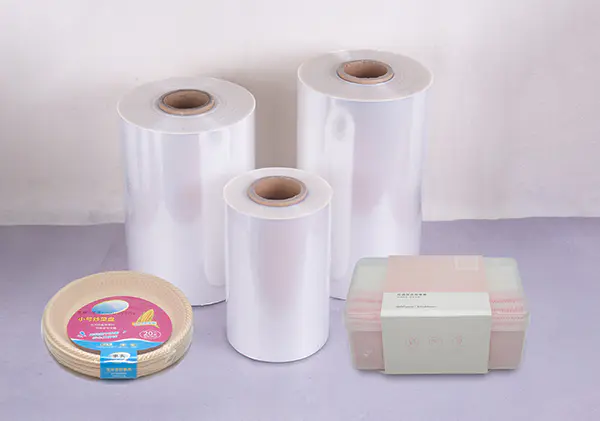
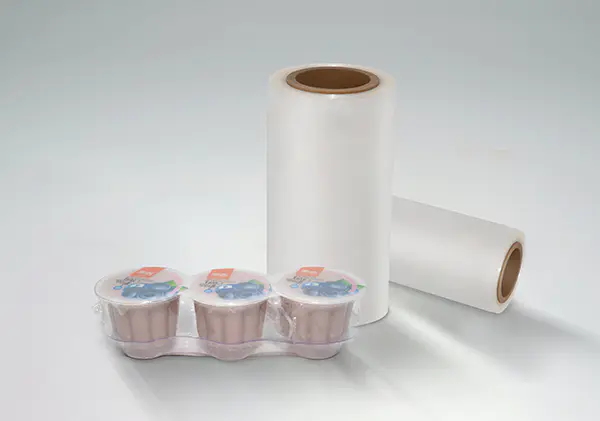
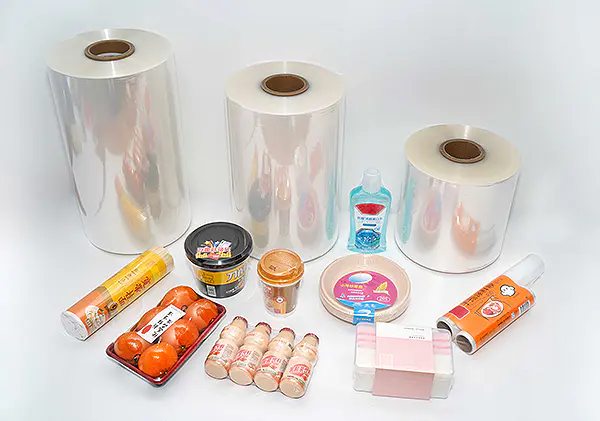
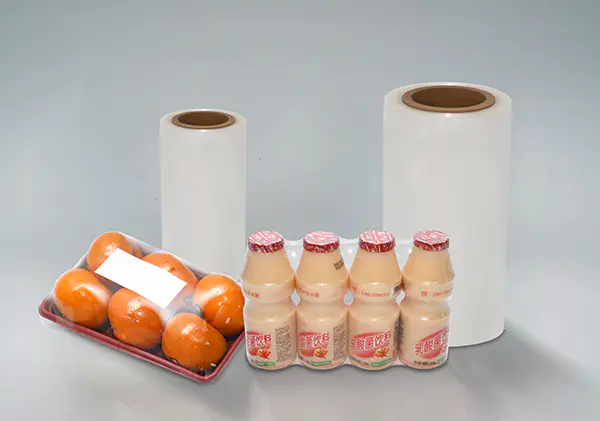
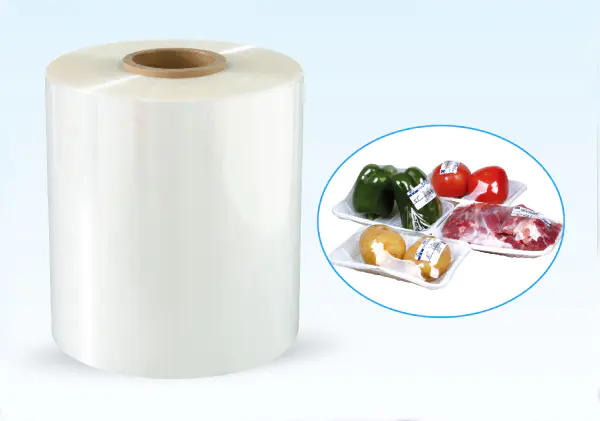
JT05 Antifog Crosslinked Shrink Film is an ideal o...
Copyright © Zhejiang Jiuteng Packaging Co., Ltd.
 简体中文
简体中文
 Home
Home
