
Packaging is more than just a step in the process; it's what keeps products safe from the moment they leave the production line until they reach the end user. One material that has proven reliable for this is polyolefin (POF) shrink film, created from polyolefin resins that give it thermoplastic qualities. This film wraps around items and tightens up when heat is applied, offering a clear and flexible seal. The thickness of the film is one of the main things that affects how well it works, touching on everything from how fast it shrinks to how tough it is. This guide looks at the thickness options for POF shrink film, including what they offer, their pros, and how they fit into different uses. Getting a handle on these can help companies pick the fit film to make their packaging smoother and more effective.
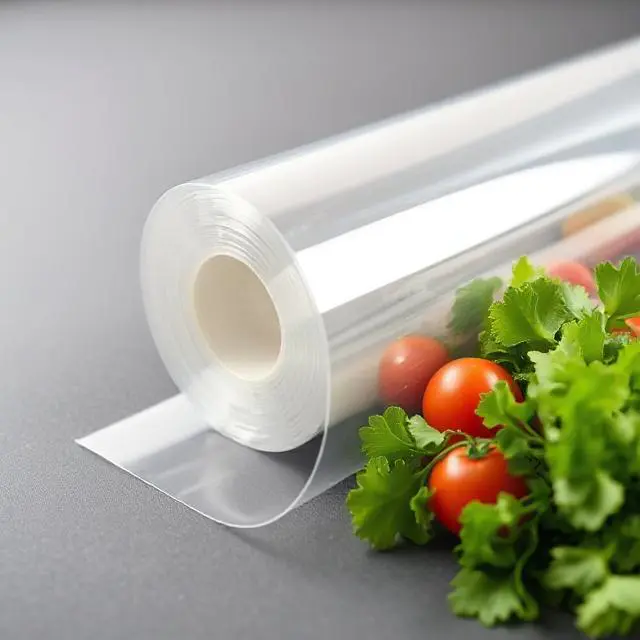
Polyolefin shrink film, or POF for short, is a plastic film made from resins based on polyolefin. It's built for shrink-wrapping, where heat makes it pull in close to the shape of the item inside. What sets it apart from other films is its ability to resist punctures, its clear look, and how it can bend without snapping. The way it shrinks evenly creates a solid hold, which helps protect things during storage, shipping, or on display.
Making POF starts with pushing molten polyolefin through dies to form thin sheets or rolls. Once heat is added—often in a tunnel or with hot air—the film draws in uniformly. This not only keeps the package secure but also gives it a clean, professional appearance since the film stays see-through. POF has caught on in many areas because it's usually recyclable and skips some chemicals that show up in other plastics. This makes it a smarter choice for those watching their environmental impact.
Thickness here is key. A thinner film might focus on quickness and saving resources, while a thicker one leans toward lasting strength. Matching it to the job at hand lets businesses strike a good balance between cost, safety, and how things run.
POF shrink film isn't one-size-fits-all; it comes in different thicknesses that fall into groups like light, medium, and heavy. These let users tweak the film for their specific needs. Here's a rundown of each type:
Light Thickness: This works best for items that aren't too heavy or don't need much guarding. The film shrinks fast, which is great for busy operations. It's easy to handle and fits well with machines that automate the process. It's handy for jobs where the goal is to group things quickly without extra layers.
Medium Thickness: As a go-between option, this provides a mix of toughness and clearness. It holds up against small tears and keeps the inside visible, making it good for everyday wrapping. Its all-around nature means it suits a lot of products and situations without being too thick or thin.
Heavy Thickness: For bigger or more delicate items, this thicker choice adds real staying power. It takes impacts and rough treatment better, acting as a strong barrier. It might need a bit more heat to shrink, but the extra protection is worth it for tough conditions.
These groups aren't fixed and can shift based on what's available. For example, light thickness could be picked for quick bundles of small items, while heavy might be for large or breakable ones to keep them safe. The idea is to line it up with the product's details and the workflow.
| Thickness Category | Shrinkage Speed | Durability Level | Suitability for Products | Handling Ease |
|---|---|---|---|---|
| Light | Fast | Moderate | Lightweight items | High |
| Medium | Moderate | Good | General use | Moderate |
| Heavy | Slower | High | Heavy or fragile items | Lower |
The perks of each thickness go beyond the basics, directly affecting how packaging performs and costs out. Light thicknesses help cut expenses by using less material, which is a plus for big runs. Their quick shrinking also means faster processing, helping teams keep up with demand.
Medium thicknesses offer a solid middle path, with enough strength for common issues like bumps in transit. The clear film lets people see what's inside, which is good for checks or sales. It also uses energy reasonably, fitting into efforts to be more sustainable. This makes it a flexible pick for varied setups.
Heavy thicknesses stand out when reliability is top priority. They cut down on damage from falls or harsh conditions, helping products last longer by blocking out moisture or dirt. For all types, POF's recyclable side supports eco-friendly goals.
Energy use differs too; thinner films often need less heat, saving on bills. Thicker ones might use more at first but save by avoiding failures. Thinking about these helps build a packaging plan that's both strong and smart.
Picking the right thickness means looking at a few factors closely. Start with the products themselves—their size, weight, and how easily they break. Fragile things might call for heavier film for extra padding, while tough ones could get by with lighter.
The setup matters as well. Automated lines do better with thinner films for easy flow and less stoppage. For hand-done work or rough spots, thicker films give more confidence. Think about what comes next too; store displays might need visibility, while storage could want stability.
Trying samples in small tests can show how things go in real life. It might reveal quirks like how the film reacts to heat. Getting advice from suppliers with experience in similar cases can add clarity. The aim is to pick something that fits without extras, keeping things efficient.
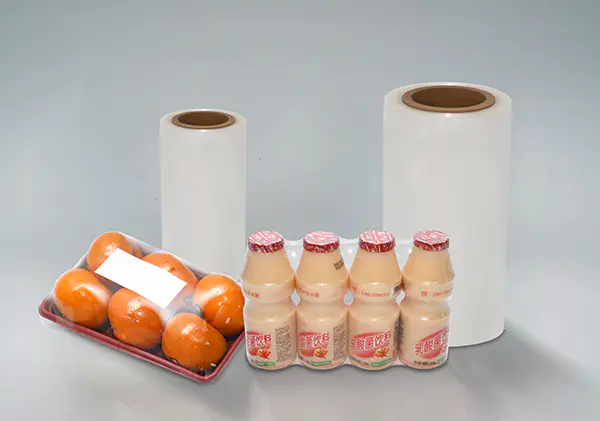
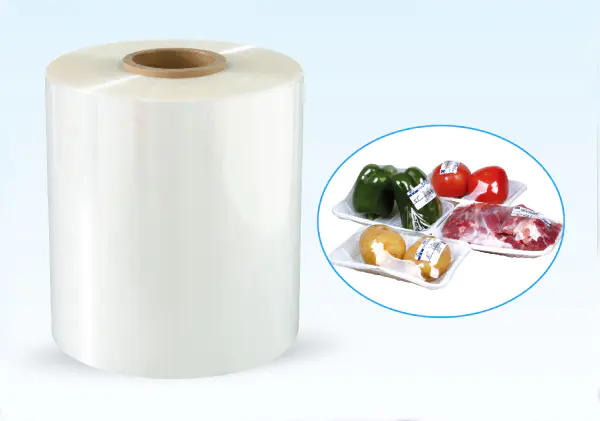
POF shrink film's thicknesses fit into many fields, solving different problems. In food, medium thicknesses protect fruits or ready meals from germs while letting freshness show. Heavier ones work for bulk foods to stop tears.
Electronics often use light thicknesses for tiny parts, keeping details clear. Bigger tech items go with heavier for shock protection on the move. Everyday goods like clothes or toys use medium to heavy for nice-looking wraps that last.
In shipping, thicknesses vary for bundling. Light speeds up regular loads, while heavy handles big items. These cases show how POF bends to industry needs.
Even with its strengths, thickness choices can have hiccups. Thicker films might not shrink smoothly in some machines, causing folds. Tuning equipment helps fix that.
Storage and moving need thought; thicker films take space and careful stacking. Thin ones can rip if not watched. How products respond to heat can change with thickness, so checks are key.
Spotting these early through trials keeps things on track.
Using POF shrink film effectively means focusing on maintenance, training, and smart habits to get the most out of it. Start by checking and adjusting your shrink equipment regularly, like tunnels or heat guns. Set the right temperature for the film's thickness to avoid uneven shrinking or burns. Begin with low heat and tweak as needed—this keeps things even and saves energy.
Training your team is key too. Teach them how to load products, control tension, and seal properly to prevent tears or weak spots. Run sessions on common mistakes, and do refresher courses when new people join. This cuts down on errors and keeps quality high.
Keep an eye on how much film you use and how well it performs. Track things like waste levels or shrinkage rates to spot issues early. If defects pop up, it might mean tweaking training or upgrading tools. Simple tracking apps can help automate this.
Pair the film with other gear, such as automatic cutters or conveyors, to make workflows smoother. This reduces hand work and boosts accuracy, especially for odd-shaped items. In busy setups, it can speed things up a lot.
Store the film in a cool, dry spot away from sun or heat to stop it from getting brittle or discolored. Use proper racks and rotate stock by date to ensure freshness.
Don't forget safety—wear gear and inspect machines for damage to avoid accidents. Following these steps leads to better results, lower costs, and fewer headaches in packaging.
The world of packaging is changing, and POF shrink film is evolving with it. Expect more eco-friendly options, like films from bio-based materials or better recyclables, to cut down on waste and meet new rules. These could break down easier or include recycled bits without losing strength.
Customization might improve too, with new ways to make films for specific uses, such as multi-layer types that block moisture while staying flexible. As machines get smarter, films with sensors for monitoring could come along.
To stay ahead, keep up with industry news, go to trade events, and work with suppliers on tests. Adapting to trends like circular economy ideas will help. POF's strengths, like its versatility, mean it'll stay useful despite the shifts. Being ready for these changes keeps your packaging sharp.
In wrapping up the essentials of POF shrink film thickness, it's clear that the options available cater to a spectrum of packaging needs, from light and agile to robust and protective. By evaluating factors like product type and operational demands, businesses can select thicknesses that promote efficiency and reliability. This approach not only safeguards goods but also supports streamlined workflows. As packaging continues to adapt, POF film remains a solid foundation for effective solutions.
When sourcing POF shrink film with tailored thickness options, consider factories that specialize in custom manufacturing. JTPackage is a factory committed to producing high-quality polyolefin shrink films.
At JTPackage, we specialize in crafting POF shrink film with a range of thickness choices to meet varied packaging requirements. Our factory employs precise methods to ensure strength and adaptability, assisting businesses in refining their packaging processes. We provide options customized to your specifications, facilitating smooth integration into your operations. With a focus on quality and practical innovations, JTPackage offers materials that contribute to sustained packaging achievements. Contact us to see how our products can elevate your efficiency.
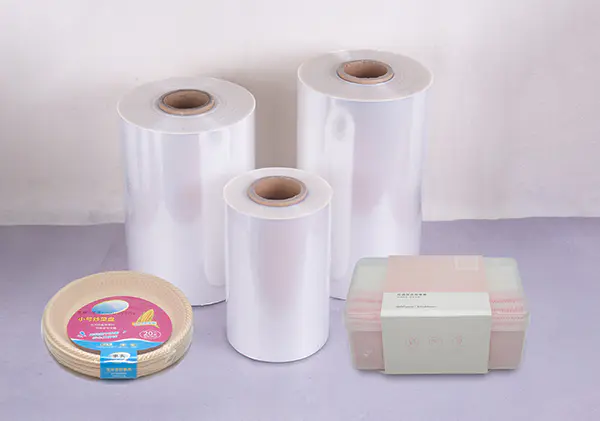
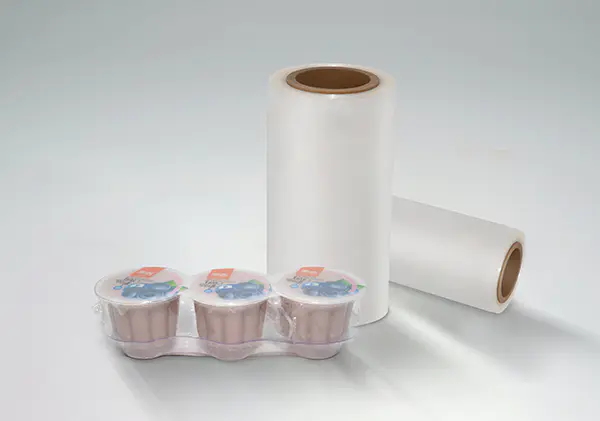
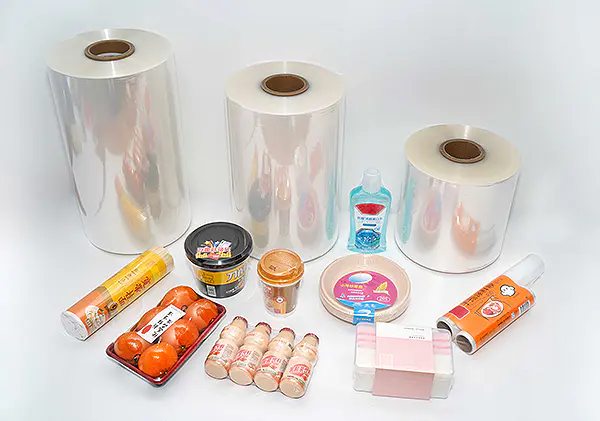
JT05 Antifog Crosslinked Shrink Film is an ideal o...
Copyright © Zhejiang Jiuteng Packaging Co., Ltd.
 简体中文
简体中文
 Home
Home
